


Queens Redistricting Faces Uncertainty After High Court Voting Maps Ruling

NEW YORK — A landmark U.S. Supreme Court decision restricting race-based voting maps has sparked immediate concern across Queens, particularly along Cross Bay Boulevard, about its potential impact on local electoral representation. The ruling, announced yesterday, mandates stricter scrutiny on how race can be considered in drawing legislative districts, a practice designed to ensure fair representation for minority groups.
Civil rights advocates in Queens express significant worry that the decision could undermine decades of progress in securing political power for the borough’s diverse communities. Many residents living near the bustling shops of Cross Bay Boulevard, from Howard Beach to Ozone Park, are discussing the ruling in their daily routines.
Local Community Boards Schedule Emergency Meetings
Queens Community Board 10, representing areas including Howard Beach and Ozone Park, announced an emergency meeting for May 15, 2026, to assess the ruling’s implications. District Manager Joann Ariola confirmed the meeting, stating, “We need to understand how this will affect our upcoming redistricting efforts and ensure every voice in our community is heard and protected.” The board's primary concern centers on maintaining the integrity of minority-majority districts.
Community Board 14, covering Rockaway and Broad Channel, also indicated it would be closely monitoring the situation. Council Member Joann Ariola (R-32nd District), whose district includes a significant portion of Cross Bay Boulevard, told reporters that her office is reviewing the 5-4 Supreme Court decision closely. She emphasized the importance of safeguarding voting rights for all residents within Queens.
Legal Experts Weigh In on Queens Electoral Landscape
Legal scholars from CUNY School of Law anticipate a surge in litigation challenging existing district maps, including those in New York. Professor Elena Vasquez, an expert in election law, noted that the decision shifts the burden considerably. “Previously, states had more leeway to create districts that aimed to prevent dilution of minority votes,” Vasquez explained. “Now, any use of race, even with benign intent, will face a higher bar of judicial scrutiny.”
This legal shift could force Queens to redraw its Assembly, Senate, and City Council district lines more frequently or face legal challenges. The last major redistricting effort in New York, following the 2020 Census, involved extensive public input and legal review, costing the state approximately $12 million.
Historical Context: Voting Rights in Queens
Queens has a long history of grappling with voting rights issues, reflecting its status as one of the most ethnically diverse places in the world. From the struggles for civil rights in the mid-20th century to modern debates over proportional representation, the borough has been a battleground for electoral justice. The Supreme Court's ruling reopens old wounds for many activists who recall previous challenges to equitable representation.
For decades, civil rights organizations have worked to ensure that district lines accurately reflect the demographic makeup of neighborhoods, allowing diverse communities to elect candidates of their choice. Advocates are concerned this decision could empower political factions to manipulate maps for partisan gain, under the guise of race-neutrality.
Cross Bay Boulevard Residents Express Growing Apprehension
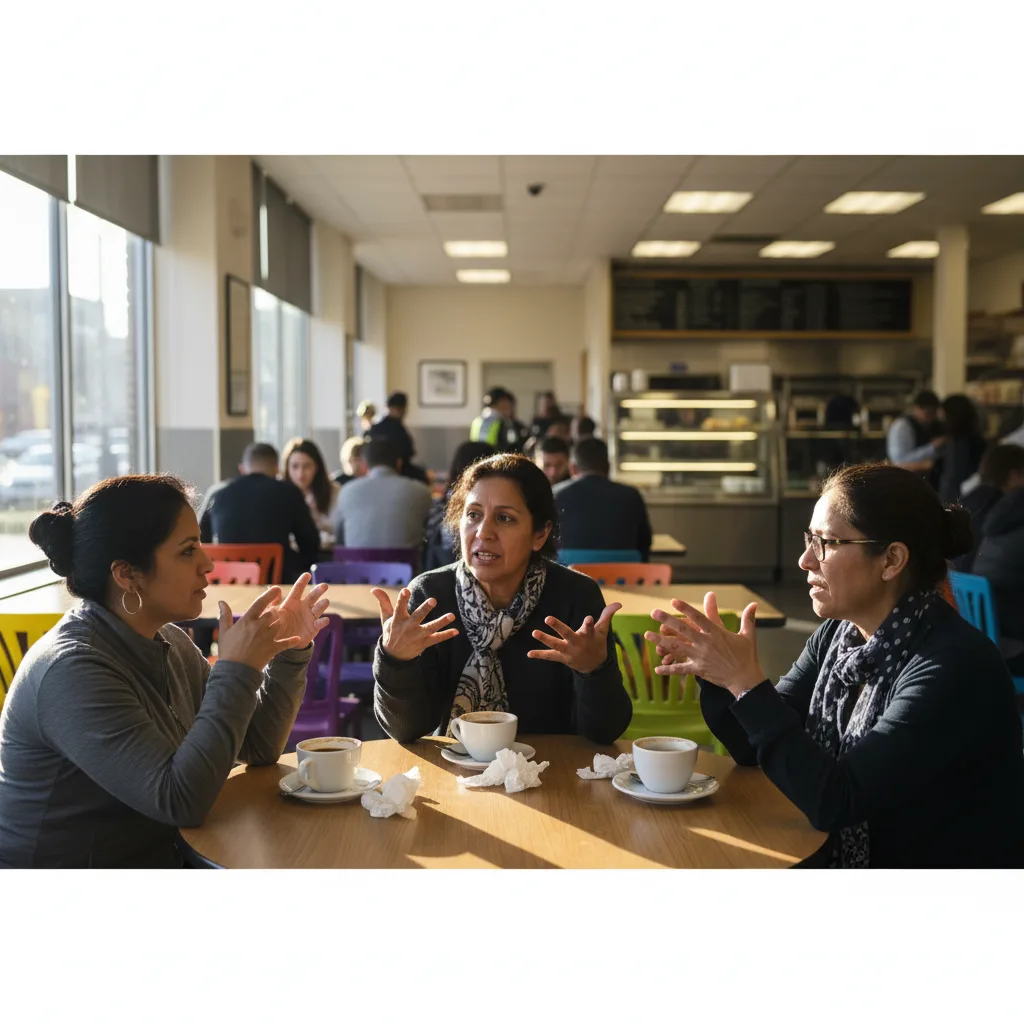
Conversations are buzzing in local establishments along Cross Bay Boulevard, from the diners in Lindenwood to the clam bars in Broad Channel. At Lenny’s Clam Bar, a popular spot in Howard Beach, regulars debated the implications over lunch. “This decision feels like a step backward,” remarked Maria Rodriguez, a 62-year-old retired teacher and longtime resident, while sipping her coffee. “Our votes need to count just as much as anyone else’s.”
On local social media groups, residents are sharing articles and organizing discussions, calling on their elected officials to protect voting access. Local civic associations, such as the Howard Beach Civic Association, are also planning town halls to inform the public and gather feedback.
Potential Impact on Upcoming Elections 2026
With municipal elections planned for 2026, the timing of this ruling adds another layer of complexity to the political landscape. Candidates will need to navigate potential changes to district boundaries while campaigning in a newly uncertain legal environment. The New York State Board of Elections indicated it would release guidance within three weeks following a thorough review of the Supreme Court’s full opinion.
Advocacy groups like the Asian American Legal Defense and Education Fund (AALDEF) have already pledged to monitor any attempts to gerrymander districts in New York. Queens Public Library initiatives are hosting informational sessions on voter rights and redistricting this summer. This ongoing scrutiny aims to ensure that the electoral process remains fair and transparent for all. The ruling could also influence how local funding is allocated, as political representation often dictates resource distribution.
Frequently Asked Questions About the Voting Maps Decision
What exactly did the Supreme Court decide? The U.S. Supreme Court ruled that states face higher legal hurdles when considering race in drawing electoral district lines, even if the intent is to boost minority representation. This decision impacts how districts are structured across the country.
How will this affect Queens specifically? Queens, with its rich diversity, relies on thoughtfully drawn districts to ensure minority communities have a voice. The ruling could lead to challenges to existing district maps, potentially requiring new boundaries that might dilute minority voting power. Local community boards are meeting to discuss these potential changes and their effects.
What are local residents doing in response? Residents along Cross Bay Boulevard and across Queens are actively discussing the decision in community forums and local establishments. Many are contacting their elected officials and advocating for measures to protect equitable representation. Community groups are organizing informational sessions and peace vigils to foster understanding and collective action.
When will we know the full impact of the ruling? The full implications will become clearer as legal challenges emerge and state election boards issue new guidance. New York election officials are currently reviewing the decision, and significant changes to district lines could take months or even years to fully implement, especially if legal battles ensue. Further information can be found at the Straits Times World News report.
Written by
Newstrix
Cross Bay News
Related Articles
More in Government & Politics →
DA Katz Urges Parole Board to Keep Eddie Byrne Killer Behind Bars 2026
Queens DA Melinda Katz urges the state parole board to keep the killer of rookie cop Eddie Byrne behind bars for his 1988 assassination in South Jamaica. Justice remains a priority.
Brazil's Presidential Election Draws Concern from Queens Latin American Community
Brazil's polarized presidential election deeply concerns Queens' Latin American community, debating its impact on family abroad and regional stability.

Your Essential Guide to Sandals Jamaica Montego Bay for Queens Travelers
Planning a luxurious escape? Our guide to Sandals Jamaica Montego Bay helps Queens residents plan the perfect all-inclusive, adults-only Caribbean getaway.
Your Guide to Exploring Jamaica Excursions from Montego Bay for Queens Travelers
Discover the best Jamaica excursions from Montego Bay for Queens residents, including top attractions, transportation tips, and what to pack for your adventure.

A Local's Guide to Montego Bay, Jamaica Beach for Your Next Getaway
Planning a tropical escape from Queens? Explore this guide to Montego Bay, Jamaica beach destinations, essential tips, and activities for your 2026 getaway.
Queens Events Calendar Features Diverse Activities October 8, 2026
Queens Events Calendar for October 8, 2026, features diverse activities, including community care discussions and local gatherings. Residents can find opportunities to engage with local culture.