


Queens Residents React to Japan Bear Attack, Reassess Local Wildlife Safety

NEW YORK — Queens residents, many with family ties to Asia, are sharing bear safety tips gleaned from news out of Japan, where a woman was killed in the first fatal bear attack of 2026. This incident follows a record 13 deaths in 2025, sparking nationwide concern and prompting local conversations in the Cross Bay community about wildlife encounters, even with urban coyotes.
"Makes me double-check our urban coyotes—nature's fighting back everywhere," Yasmin, a local mom walking her kids along Cross Bay Boulevard, told reporters. Her sentiment reflects a broader, albeit often humorous, reevaluation of safety precautions among residents who frequent local parks and wilderness areas, both near and far. The sheer scale of the Japanese attacks has resonated deeply.
Global Wildlife Conflicts Resonate Locally
The tragic events in Japan, where habitat loss and climate change are pushing bears into human-populated areas, mirror growing concerns about human-wildlife conflicts worldwide. While bears are not a concern in urban Queens, the narrative of encroaching wildlife resonates with residents who have observed an increase in coyote sightings in parks like Forest Park and even near the fringes of Jamaica Bay.
Conservationists note that the interconnectedness of ecosystems means global issues can influence local perceptions and preparedness. The discussions among Cross Bay residents underscore a heightened awareness of environmental shifts. It highlights how quickly global events can affect local mindsets and daily routines, even for seemingly distant issues.
Sharing Safety Tips in Cross Bay Groups
Bear safety tips from Japan, including advice on carrying bells and bear spray, are circulating through Cross Bay News WhatsApp groups and community Facebook pages. While some posts are shared with a jesting tone about "not hiking in Yellowstone without a gun" during Rockaway Beach Park picnics, others take the warnings more seriously, especially those planning trips to actual wilderness areas.
Local pet stores along Cross Bay Boulevard have even reported a small uptick in sales of bear spray and other protective gear, primarily from alarmed hikers preparing for excursions to the Adirondacks or Catskills. This unexpected consumer behavior illustrates the tangible, albeit indirect, impact of global news on local commerce and preparedness.
Urban Wildlife in Queens: Coyotes and Beyond
While bears are a non-issue, Queens has its own urban wildlife considerations. Coyote sightings have become increasingly common in recent years, particularly in green spaces like Gateway National Recreation Area and along the Belt Parkway. NYC Parks and local wildlife experts consistently advise residents on how to safely coexist with these animals, emphasizing leash laws for pets and securing outdoor food sources.
NYC Parks Department spokesperson Emily Chen recently advised residents, "Coyotes are naturally wary of humans, but they are wild animals. Never feed them, and always keep a safe distance." The Japanese bear attacks have prompted some residents to re-familiarize themselves with these local guidelines, turning a distant tragedy into a local safety review. More specific details about local wildlife can be found in Queens Daily Eagle news articles.
Environmental Awareness and Climate Change
The underlying cause of the bear attacks in Japan—habitat loss and changing climates—has also prompted some deeper reflection among environmentally conscious residents in Cross Bay. Discussions often link these global wildlife issues to local environmental challenges, such as the protection of Jamaica Bay's wetlands and the impact of extreme weather events on coastal communities.
Local environmental groups along the boulevard are using these global stories to emphasize the broader need for climate action and habitat preservation, even in urban settings. The interconnectedness of global ecosystems and local environments is becoming increasingly apparent. These global narratives inform local action.
Frequently Asked Questions About Wildlife Safety in Queens
Are there bears in Queens, New York? No, there are no resident bear populations in Queens, New York. While individual bears might occasionally wander into the outer boroughs from more rural areas, such occurrences are extremely rare and typically involve young males. The main wildlife concern in urban Queens relates to species like coyotes, foxes, and various birds, not bears. The discussions among Cross Bay residents are largely a reaction to global news, not a local threat.
What urban wildlife should Queens residents be aware of, especially near Cross Bay Boulevard? Residents of Queens, particularly those near large green spaces like Gateway National Recreation Area or Forest Park, should be aware of coyotes, foxes, and raccoons. Coyotes have become more common, and while generally harmless, they can pose a threat to small pets. Always keep pets on a leash and secure outdoor garbage. Never approach or feed wild animals. You can also explore other news on the Cross Bay News site for local animal control updates.
What precautions are recommended for encountering urban wildlife? NYC Parks and wildlife experts recommend maintaining a safe distance from all wild animals. If you encounter a coyote, make yourself appear large, make noise, and slowly back away. Do not run. Report aggressive animal behavior or injured wildlife to 311 or NYC Parks immediately. Securing food waste and pet food indoors helps deter animals from residential areas.
Written by
Newstrix
Cross Bay News
Related Articles
More in Environment →
Cross Bay Residents React to China's Deadly Torrential Rains and Local Conditions 2026
Cross Bay Boulevard residents are reacting to news of China's deadly torrential rains on October 3, 2026, drawing parallels to local conditions and infrastructure needs in Queens. This impacts local communities.

Your Essential Guide to Sandals Jamaica Montego Bay for Queens Travelers
Planning a luxurious escape? Our guide to Sandals Jamaica Montego Bay helps Queens residents plan the perfect all-inclusive, adults-only Caribbean getaway.

Your Guide to Exploring Jamaica Excursions from Montego Bay for Queens Travelers
Discover the best Jamaica excursions from Montego Bay for Queens residents, including top attractions, transportation tips, and what to pack for your adventure.

A Local's Guide to Montego Bay, Jamaica Beach for Your Next Getaway
Planning a tropical escape from Queens? Explore this guide to Montego Bay, Jamaica beach destinations, essential tips, and activities for your 2026 getaway.
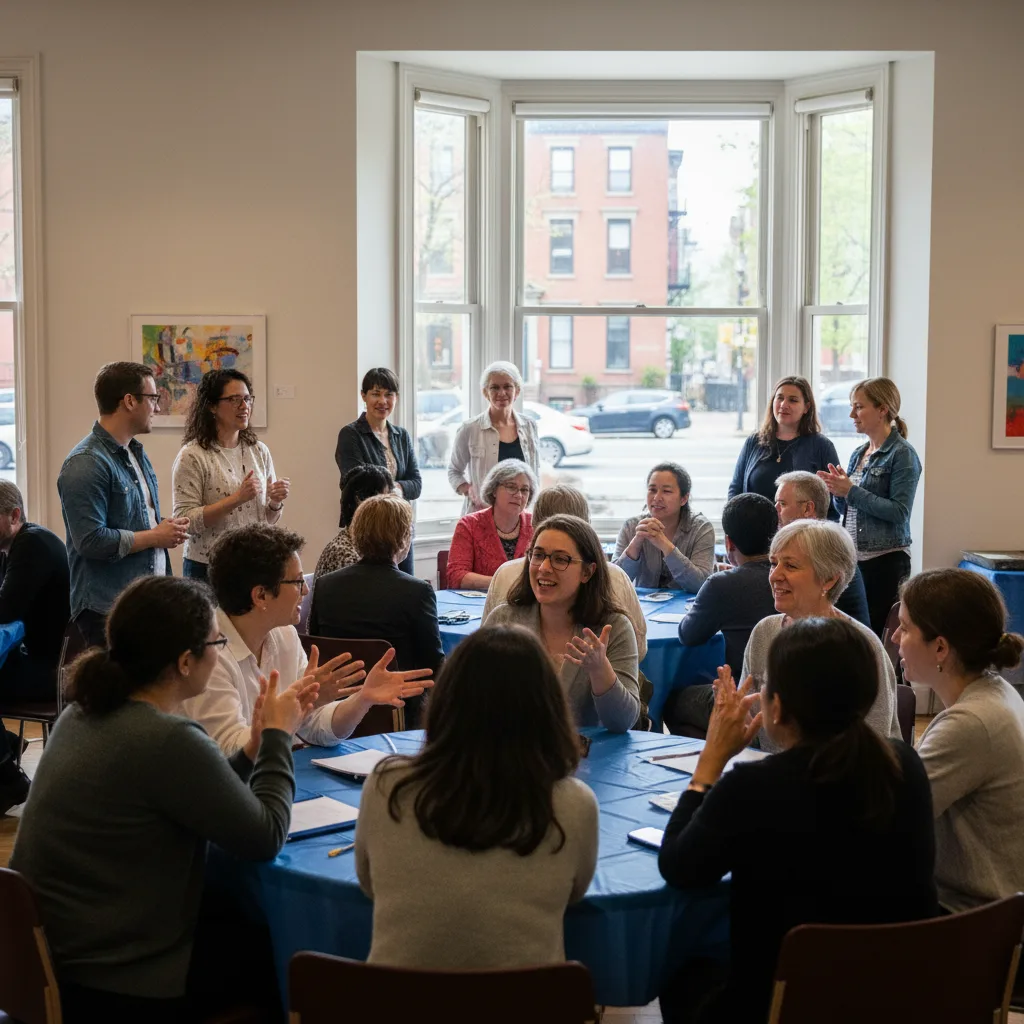
Queens Events Calendar Features Diverse Activities October 8, 2026
Queens Events Calendar for October 8, 2026, features diverse activities, including community care discussions and local gatherings. Residents can find opportunities to engage with local culture.
Queens Nor'easter Topples Trees, Floods Cross Bay Boulevard 2026
A nor'easter in late 2026 toppled trees and flooded streets across Queens, causing significant disruption in southeast neighborhoods and affecting Cross Bay Boulevard commuters. Power outages and traffic delays were widespread.