


Queens' Rockaway Line: Historical Transit Gaps Echo Challenges Along Cross Bay Boulevard
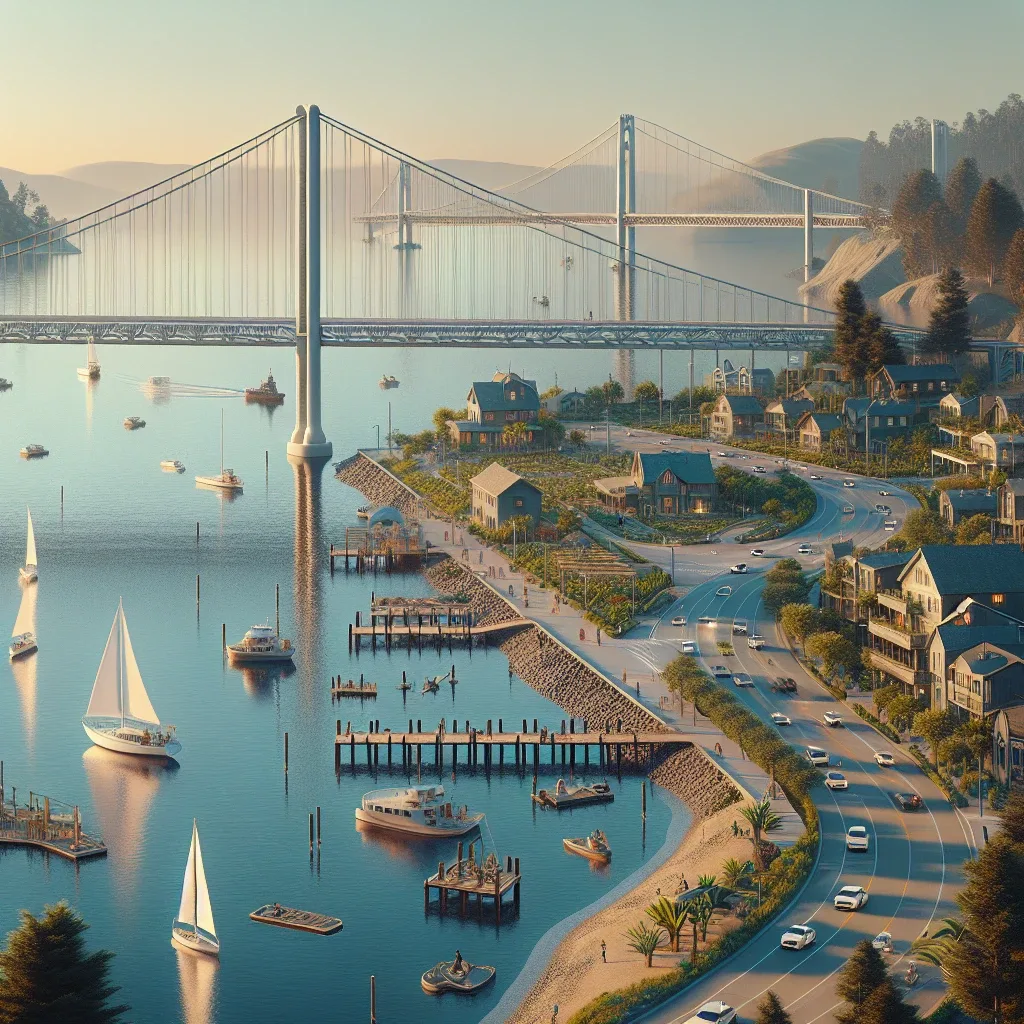
The storied history of New York City's public transportation network is dotted with ambitious projects, swift expansions, and, notably, numerous abandoned lines that once served thriving communities. Among these, the former Rockaway Line stands as a poignant reminder of transit decisions that continue to reverberate through Queens, profoundly impacting residents along and around Cross Bay Boulevard. A recent report highlighting vanished subway and rail lines across the city brings renewed attention to this local issue, especially as communities grapple with current transportation needs.
The Rockaway Line, originally part of the Long Island Rail Road (LIRR) and later incorporated into the subway system, connected central Queens to the Rockaway Peninsula. However, a devastating fire on the trestle across Jamaica Bay in 1950 led to its abandonment by the LIRR. While a portion was eventually rebuilt and integrated into the A train line, a significant segment, known as the "Rockaway Beach Branch," remained disused, a scar of rusting tracks cutting through residential neighborhoods. For decades, this derelict infrastructure has represented both a lost opportunity and a persistent dream for revitalization, particularly for those living in areas like Broad Channel and the Rockaways, who largely depend on the A train or bus services via Cross Bay Boulevard for their daily commutes. The historical perspective offered by broader city analyses of vanished lines underscores that such disappearances are not unique, yet their local impact remains intensely felt.
The Rise and Fall of Rockaway Transit
The Rockaway Line's journey from a vital LIRR artery to a partially abandoned ghost line is a complex tale of urban development, demographic shifts, and natural disasters. Initiated in the late 19th century, the line was crucial for connecting beachgoers and new residents to the then-burgeoning resort communities of the Rockaways. After the 1950 fire, and subsequent acquisition by the city, the segment from Liberty Avenue south through Ozone Park and the Rockaways was transformed into the A train route, a critical link for many. However, the section running through Rego Park, Forest Hills, and Ozone Park, linking to the LIRR main line, was never reactivated. This decision has had lasting implications for intra-Queens travel, forcing many commuters to rely on circuitous routes or private vehicles, adding to traffic congestion on thoroughfares like Cross Bay Boulevard.
Proposals for the Rockaway Beach Branch have ranged from reactivation as commuter rail or subway service, to conversion into a park similar to Manhattan's High Line, or even a bus rapid transit corridor. Each proposal sparks intense debate among local stakeholders, balancing historical preservation, environmental concerns, and the desperate need for improved transit options. The historical account of vanished lines across NYC serves as a cautionary tale: infrastructure decisions, once made, can cast long shadows, shaping the urban landscape and daily lives for generations. Understanding these historical precedents is vital for current discussions about Queens' transit future.
Lingering Impact on Southern Queens Commutes
For residents of southern Queens, particularly those along Cross Bay Boulevard, the consequences of the Rockaway Line's partial abandonment are tangible. Commuting into Manhattan or even other parts of Queens often involves significant travel times, reliance on car traffic, or a crowded A train. The promise of the Rockaway Beach Branch, if reactivated, is to significantly reduce travel times for thousands, alleviate pressure on existing services, and foster economic growth in neighborhoods often feeling disconnected. Local advocacy groups consistently highlight the need for a comprehensive solution that acknowledges the historical context while addressing contemporary demands. The focus on revitalizing this corridor is not merely about restoring a lost line but about unlocking the potential for more efficient, equitable, and sustainable transit for a densely populated and growing part of New York City. The historical examination of "vanished lines" is thus not just an academic exercise but a critical lens through which to view current infrastructure challenges and future planning.
Key Points:
- The Rockaway Line, partially abandoned after a 1950 fire, remains a key historical transit issue for Queens.
- Its disused section (Rockaway Beach Branch) continues to impact commutes for residents along Cross Bay Boulevard and southern Queens.
- Decades of proposals for reactivation, green space, or bus routes highlight ongoing community debates.
- The city's history of vanished transit lines underscores the long-term consequences of infrastructure decisions.
- Improved transit along this corridor could significantly benefit economic development and daily life in Southern Queens.
Written by
Newstrix
Cross Bay News
Related Articles
More in Transportation & Traffic →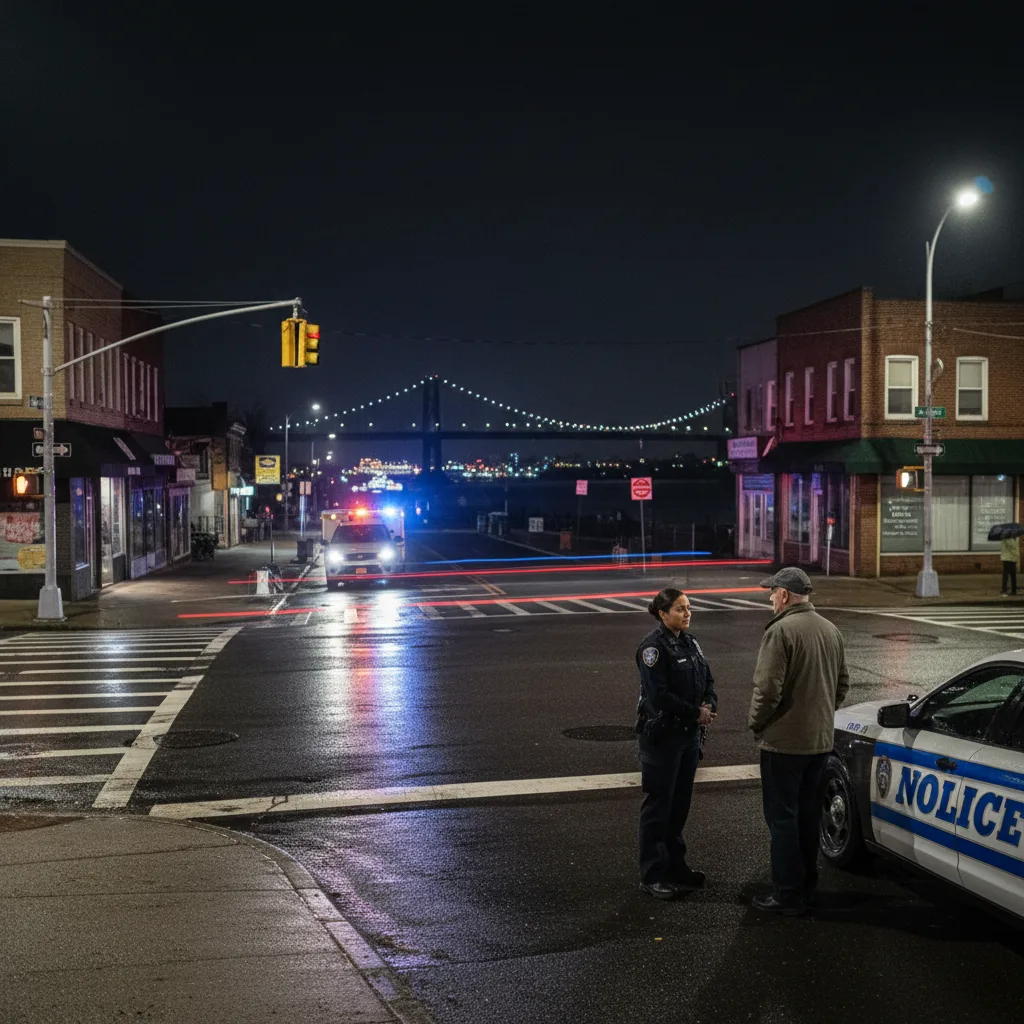
Woman Critically Injured in Ozone Park Cross Bay Boulevard Crash
A 55-year-old woman was critically injured in a crash at Cross Bay Boulevard and Pitkin Avenue around 3:35 a.m. in Ozone Park.
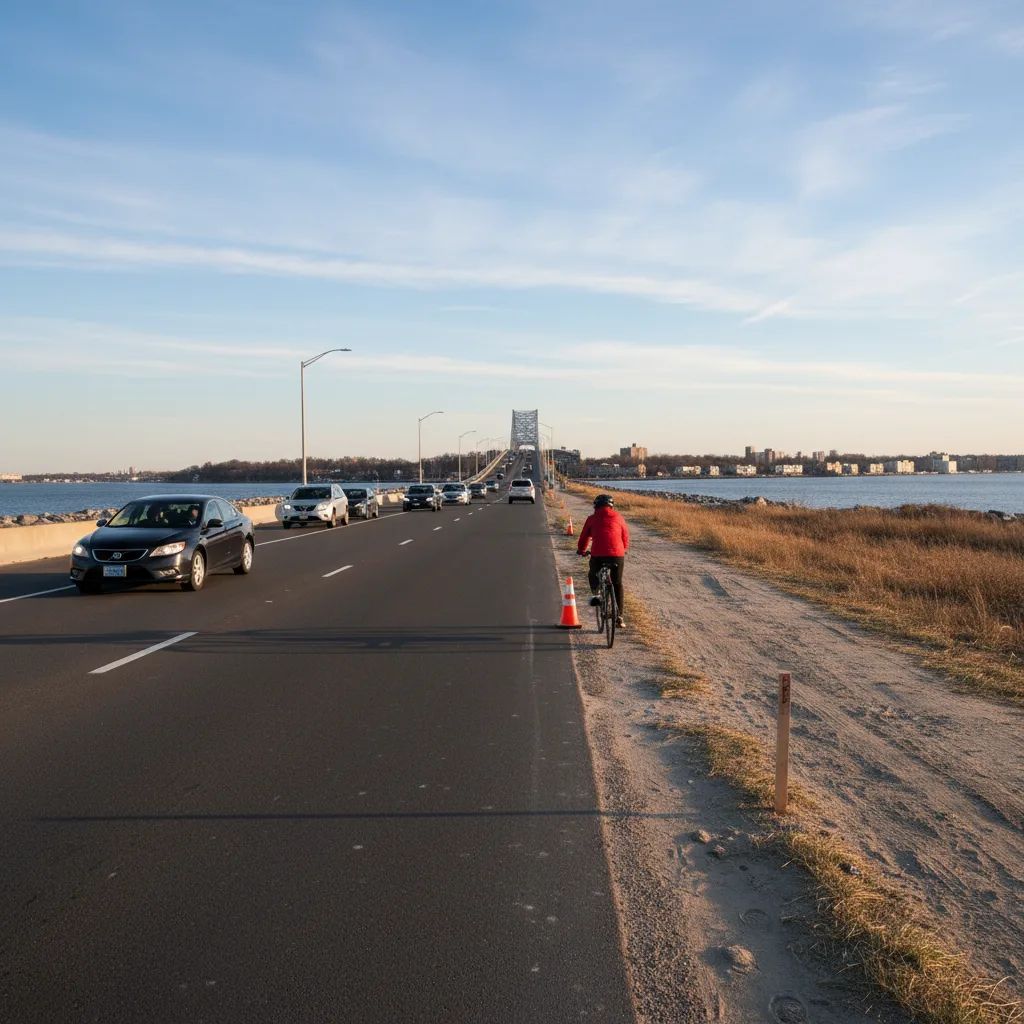
Officials Demand Protected Bike Lanes, Stoplight for Cross Bay Boulevard
Officials are demanding protected bike lanes and a traffic light for Cross Bay Boulevard in Queens after a fatal cyclist accident.
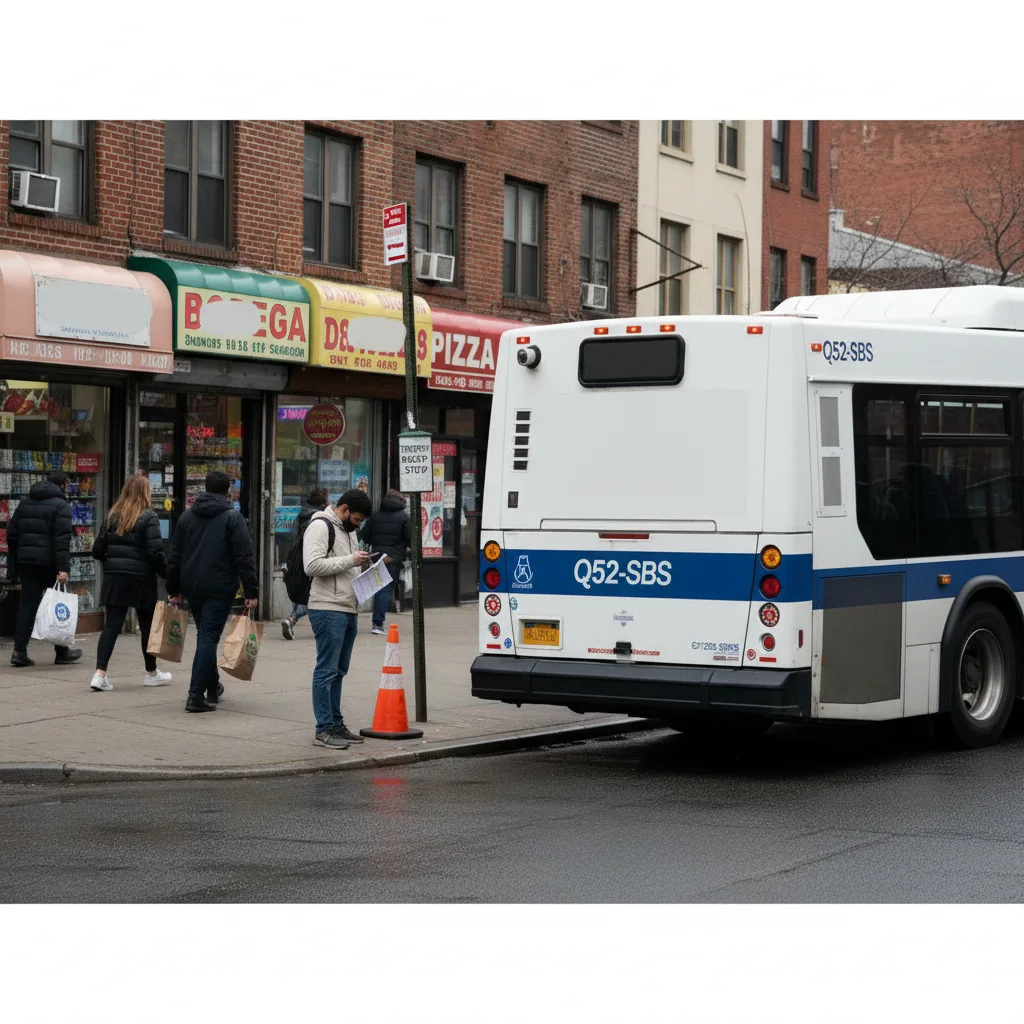
Cross Bay Boulevard Businesses Face Disruption Amidst Transit Changes
Commuters and businesses along Cross Bay Boulevard are facing transit disruptions due to Q37 bus detours and relocated Q52/Q53-SBS stops. This impacts daily travel in Queens.
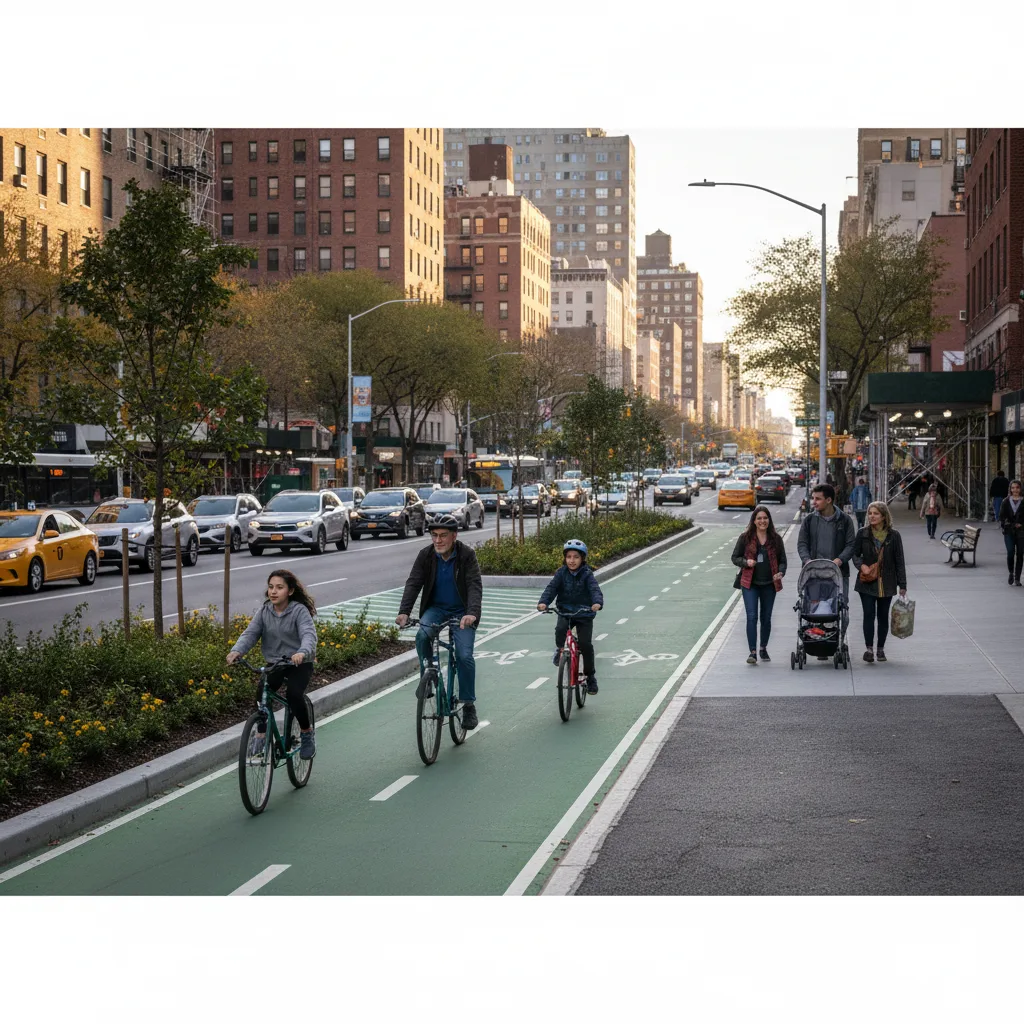
Queens Boulevard Redesign Completes Final Phase, Enhancing Safety
The final phase of the Queens Boulevard redesign project is complete, significantly enhancing road safety for residents and transforming the once-dangerous thoroughfare.
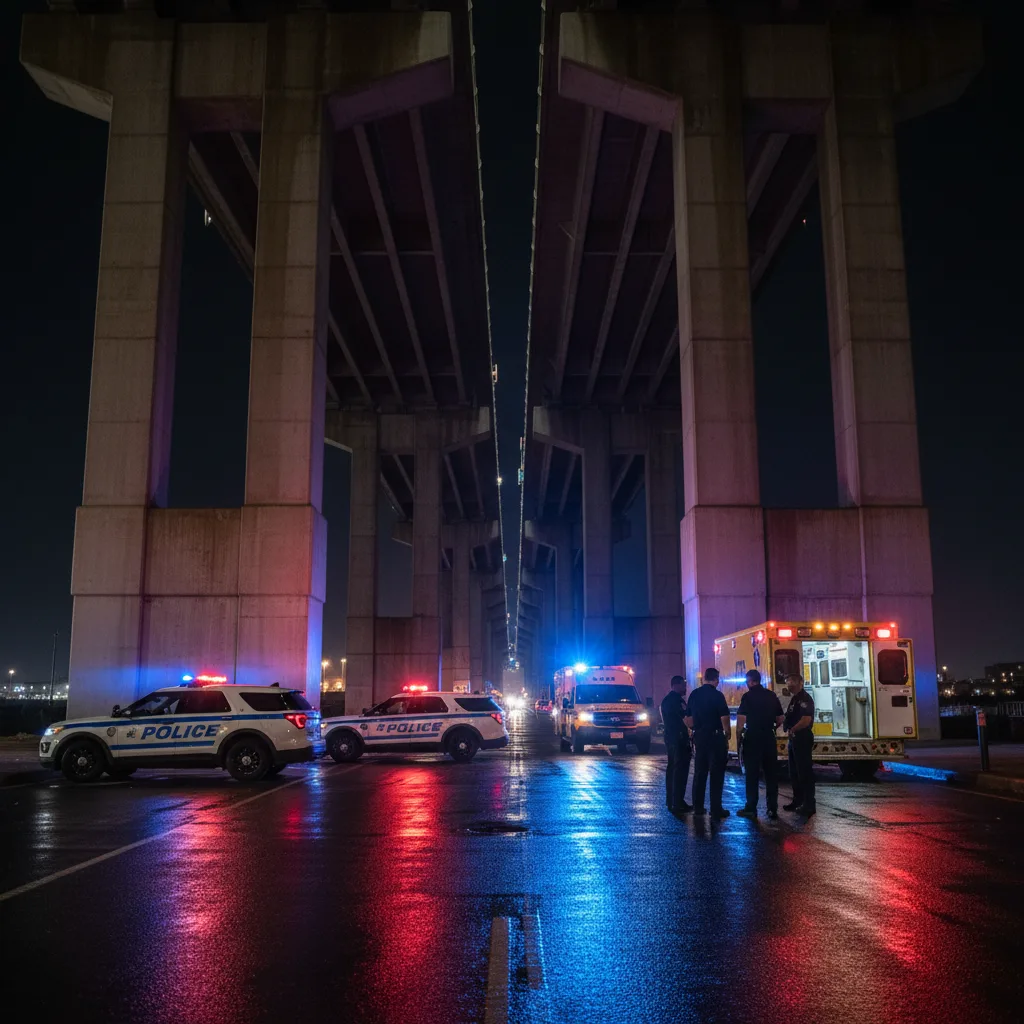
Motorcyclist Critical After Cross Bay Veterans Memorial Bridge Fall
A 35-year-old motorcyclist is in critical condition after falling off the Cross Bay Veterans Memorial Bridge in Rockaway Beach, Queens. An investigation is underway.

NYC Emergency Management Warns of Cross Bay Boulevard Delays 2026
NYC Emergency Management warns of major traffic delays and road closures on Cross Bay Boulevard, Queens, due to police activity. Localized heavy rain is also expected this weekend, impacting commutes. Stay informed.