


Queens Workers Grumble Over Tariff-Driven Price Hikes

NEW YORK — Queens workers are grumbling over rising prices on imported goods like electronics, blaming President Trump’s recent tariff threats on China for their squeezed wallets. Local bodegas along Cross Bay Boulevard and vendors at the Rockaway Beach boardwalk report noticeable price increases on various items. Many residents express frustration over the escalating trade war.
President Trump threatened additional tariffs via social media after Beijing vowed retaliation to last week's US tariffs. This action intensified fears of a destructive trade war, contributing to ongoing stock market collapses. The global economic standoff is creating tangible financial pressure on households in South Queens.
Local Businesses Warn of Further Price Hikes
Business owners at the Cross Bay Marketplace are already posting signs warning customers of impending price increases on Chinese-made clothes and toys. These warnings have sparked street corner arguments among shoppers about jobs versus inflation. The tariff impact is directly felt by small businesses and their clientele.
"My suppliers are telling me prices are going up across the board, especially for anything made in China," stated David Chen, owner of a electronics store on Cross Bay Boulevard. He told Cross Bay News that he fears losing customers who are already tightening their belts. Chen has seen a 10-15% increase in wholesale costs for some popular gadgets.
Commuters and Families Feel the Pinch
Commuters on the Q53 bus line, a vital link for many Cross Bay residents, are venting their frustration daily. They report that the rising costs of goods are hitting their families' grocery runs and essential purchases amid the market plunge. The financial strain is becoming a common topic during daily commutes.
Maria Gomez, a mother of two from Howard Beach, shared her concerns while waiting for the bus near the Cross Bay Bridge. "It's getting harder and harder to afford basic necessities," Gomez said. She specifically mentioned the higher cost of children’s clothing and school supplies, which often come from overseas.
Economic Uncertainty and Political Debate
The tariff threats have fueled a broader economic uncertainty that worries many working-class families in Queens. The debate over whether tariffs protect American jobs or simply raise consumer prices is a common discussion in local cafes and community centers. These policy decisions have direct, immediate consequences.
Political commentators suggest that the tariff strategy is a high-stakes gamble for the administration. However, for residents along Cross Bay Boulevard, the immediate concern is the impact on their household budgets. This often overshadows theoretical economic benefits, creating a gap between policy and lived experience.
The Global-Local Connection of Trade Policy
The ongoing US-China economic standoff demonstrates how global trade policies directly ripple down to local communities. The cost of goods imported through major ports, which often arrive in Queens warehouses, affects every small business and consumer. This interconnectedness highlights the importance of international relations.
Local economists, like Dr. Anya Sharma of Queens College, point out that Queens, with its diverse population and numerous small businesses, is particularly vulnerable to trade war impacts. "Our local economy relies heavily on affordable goods and stable supply chains," Sharma explained to the Queens Daily Eagle. Any disruption immediately affects local spending power. The broader context of these trade issues includes warnings from Jamie Dimon about the economy, further highlighting financial concerns among residents. You can also review Trump's previous economic actions that have impacted local communities.
Frequently Asked Questions About Tariffs and Local Prices
Why are prices rising on imported goods? President Trump’s new tariffs on Chinese imports are increasing the cost for businesses, which often pass these costs onto consumers. What types of goods are most affected? Electronics, clothing, toys, and many household items manufactured in China are seeing price increases. How can local residents cope with rising prices? Residents can seek out locally produced goods, utilize community discount programs, and budget carefully for essential items. Local businesses are exploring alternative suppliers where possible.
Written by
Newstrix
Cross Bay News
Related Articles
More in Local Economy & Business →
Queens Residents Face Soaring Rent Hikes, Housing Scarcity Along Cross Bay
Queens residents, especially along Cross Bay Boulevard, face severe rent hikes and housing scarcity, mirroring international housing protests. Local families are struggling.

Cross Bay Boulevard Residents Anxious Over Strait of Hormuz Standoff
Cross Bay Boulevard residents are anxious as Iran's Strait of Hormuz stance threatens gas prices and local economy, affecting daily commutes and costs.

Cross Bay Boulevard Residents Concerned Over Yemen Airstrikes Impact on Economy 2026
Queens residents on Cross Bay Boulevard are concerned about rising gas prices and supply issues after Saudi airstrikes hit Yemen's capital on October 3, 2026. This impacts the local economy.
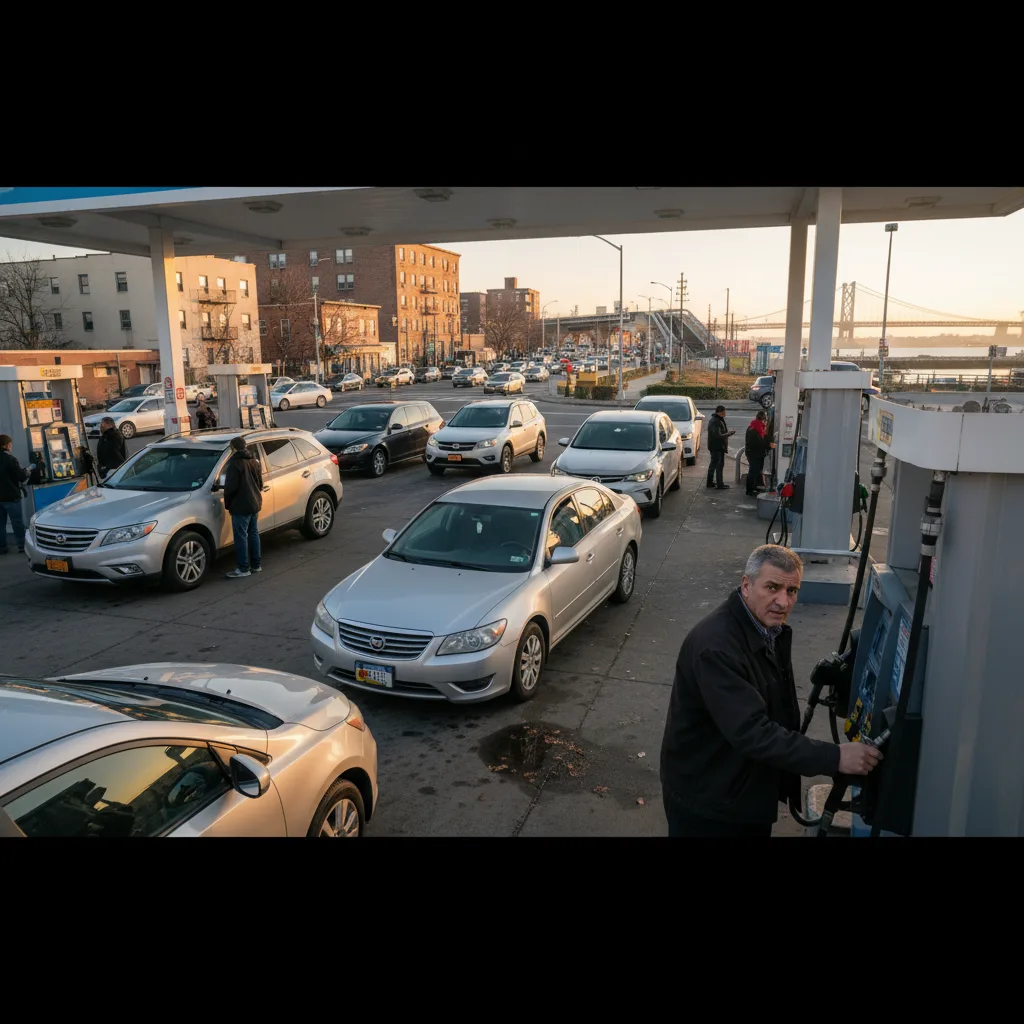
Cross Bay Residents Discuss Iran War Impact on Household Budgets
Cross Bay residents discuss the U.S.-Iran crisis impact on gas prices and household budgets, fearing a ripple effect on daily costs.
Your Essential Guide to Sandals Jamaica Montego Bay for Queens Travelers
Planning a luxurious escape? Our guide to Sandals Jamaica Montego Bay helps Queens residents plan the perfect all-inclusive, adults-only Caribbean getaway.
Your Guide to Exploring Jamaica Excursions from Montego Bay for Queens Travelers
Discover the best Jamaica excursions from Montego Bay for Queens residents, including top attractions, transportation tips, and what to pack for your adventure.