


Roosevelt Avenue Restoration Divides Queens Residents, Says Queens Ledger

NEW YORK — The debate over restoring Roosevelt Avenue continues to divide Queens residents, with local sentiment suggesting that such a project is “not so simple,” according to the Queens Ledger on November 4, 2026. Proposed revitalization efforts for the iconic thoroughfare are meeting with mixed reactions, highlighting complex community priorities and concerns.
Roosevelt Avenue Restoration: A Contentious Debate
Roosevelt Avenue, a vibrant and bustling artery stretching through several diverse Queens neighborhoods, is a focal point for revitalization discussions. While some residents and business owners welcome potential upgrades to infrastructure, streetscaping, and public spaces, others express skepticism about the disruption, gentrification, and potential displacement that could accompany such a large-scale project. The Queens Ledger report captured this sentiment, indicating a lack of clear consensus.
The complexity stems from Roosevelt Avenue's unique character as both a commercial hub and a cultural melting pot. Any restoration plan must carefully balance economic development with preserving the existing fabric of the community, including its small businesses and diverse cultural identities. Achieving this balance is proving to be a significant challenge for city planners and local stakeholders.
Community Concerns Over Displacement and Disruption
Many long-time residents and small business owners fear that a major restoration project could lead to increased rents, higher property taxes, and ultimately, displacement. These concerns are particularly acute in neighborhoods along Roosevelt Avenue, which are home to numerous immigrant communities and independent businesses that contribute significantly to the area’s unique charm and economic vitality. They worry that revitalization could inadvertently erase the very essence of the avenue.
The disruption caused by prolonged construction is another significant concern. Businesses worry about loss of income during renovation periods, and residents anticipate increased traffic congestion, noise, and reduced accessibility. These practical implications weigh heavily on community members, who often feel their voices are not fully heard in the planning stages of such ambitious urban projects. This situation is reminiscent of broader debates about community impact of housing challenges in Richmond Hill and Ozone Park.
Advocates Highlight Potential Benefits of Upgrades
Conversely, proponents of restoration argue that Roosevelt Avenue is in dire need of infrastructure improvements, better pedestrian safety measures, and enhanced public spaces. They point to crumbling sidewalks, outdated street furniture, and a lack of green spaces as reasons for revitalization. Advocates believe that a well-planned restoration could boost local commerce, improve quality of life, and create a more attractive and functional urban environment for everyone.
These supporters envision a Roosevelt Avenue that is safer, more aesthetically pleasing, and better equipped to handle the demands of a growing population. They emphasize that strategic upgrades can attract new investment while still celebrating the avenue's rich cultural heritage. The challenge lies in designing a plan that achieves these benefits without alienating or displacing existing communities.
Navigating Complex Urban Planning and Stakeholder Engagement
The differing viewpoints underscore the intricate nature of urban planning in a diverse borough like Queens. Effective restoration requires extensive community engagement, transparent decision-making, and robust mitigation strategies to address concerns about displacement and disruption. City agencies, local politicians, and community boards must work collaboratively to forge a plan that genuinely serves the interests of all stakeholders.
The Queens Ledger’s report suggests that any successful plan for Roosevelt Avenue will need to incorporate feedback from a wide array of voices, ensuring that the final vision reflects the complex realities and aspirations of its diverse communities. Ignoring these local sentiments could lead to significant backlash and undermine the very goals of the restoration efforts. The outcome will set a precedent for future urban development projects in Queens.
Future Outlook for Roosevelt Avenue
The path forward for Roosevelt Avenue’s restoration remains uncertain, as city planners and local leaders continue to grapple with the divided opinions. Public forums, community workshops, and ongoing dialogues will be crucial in attempting to bridge the gap between those who seek significant change and those who prioritize preservation and minimal disruption. The ultimate decision will have long-lasting implications for one of Queens’ most iconic streets.
Achieving a consensus will require innovative solutions that honor the avenue’s unique character while addressing its infrastructure needs. This could involve phased development, targeted improvements that avoid widespread displacement, and programs to support existing small businesses. The coming months will be critical in determining the future direction for Roosevelt Avenue.
Frequently Asked Questions
Why is the restoration of Roosevelt Avenue considered “not so simple” by Queens residents?
The restoration of Roosevelt Avenue is considered complex because it involves balancing diverse community priorities. While some see benefits in infrastructure upgrades, many residents fear potential displacement, gentrification, increased rents, and disruption to small businesses that define the avenue’s unique cultural character, as reported by the Queens Ledger.
What are the main concerns residents have about Roosevelt Avenue revitalization?
Residents' main concerns include the potential for increased costs leading to displacement of long-term residents and small businesses, significant disruption from prolonged construction, and the risk that revitalization efforts could erase the authentic cultural identity of Roosevelt Avenue. They worry about losing the essence of their community.
What are the potential benefits of restoring Roosevelt Avenue, according to proponents?
Proponents argue that restoring Roosevelt Avenue could bring significant benefits, including improved infrastructure, enhanced pedestrian safety, more attractive public spaces, and increased local commerce. They believe these upgrades could improve the quality of life for residents and visitors, creating a more functional and aesthetically pleasing urban environment.
Written by
Newstrix
Cross Bay News
Related Articles
More in Development & Infrastructure →Army Corps Proposes Voluntary Buyouts for 210 Queens Homes in Jamaica Bay
Army Corps proposes voluntary buyouts for 210 homes in Hamilton Beach, Howard Beach, and Lindenwood due to flood risk. Queens residents face crucial decisions.
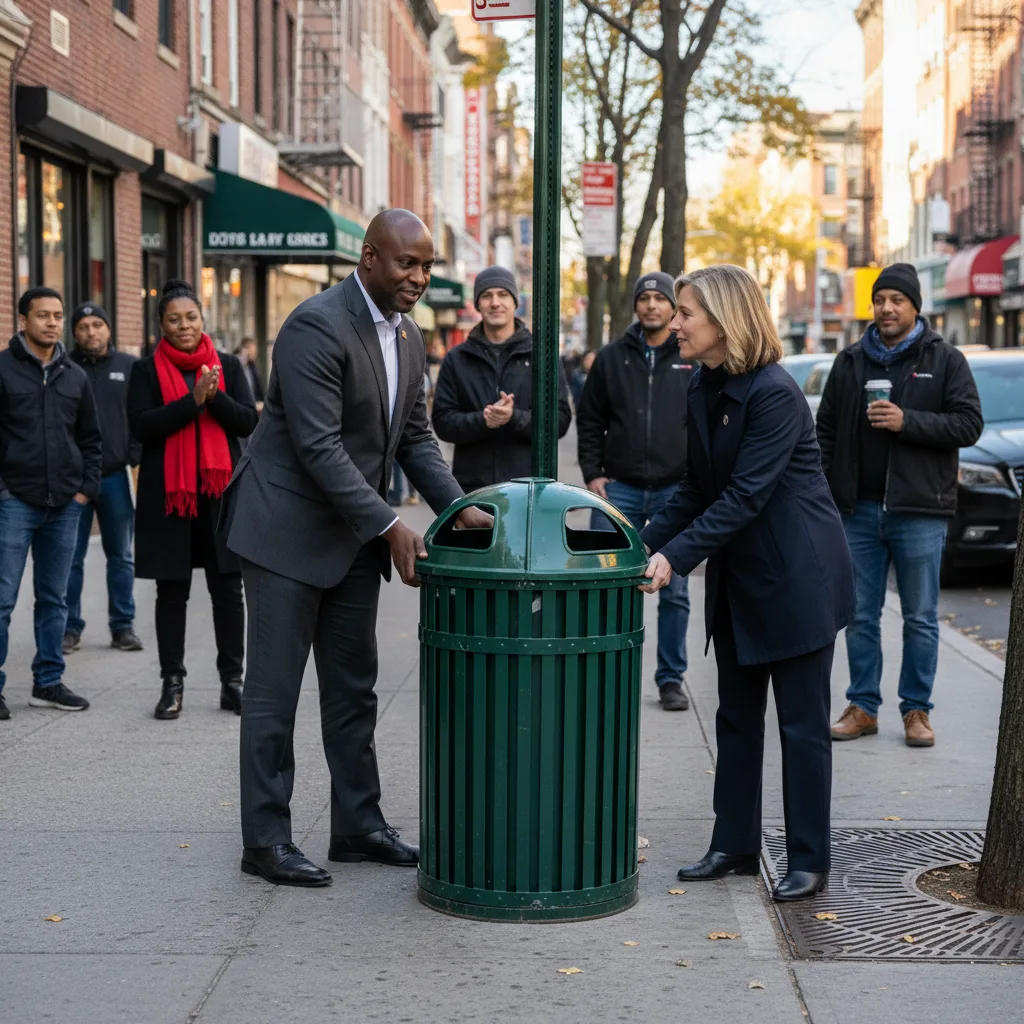
Queens Borough President Richards Launches Hillside Avenue Sanitation Initiative
Queens Borough President Richards and DSNY Commissioner Tisch launched a Hillside Avenue sanitation initiative, installing high-capacity bins to combat litter. Residents can expect cleaner streets soon.

Patch AM Queens Highlights $12M Botanical Garden Transformation
A $12 million investment will transform Queens Botanical Garden’s aging greenhouses, revitalizing infrastructure. This project ensures horticultural mission continues.
NYC City Hall Fast-Tracks Queens Housing Development 2026
City Hall is fast-tracking housing development in Queens' Howard Beach and South Ozone Park to address affordability, affecting Cross Bay Boulevard communities.
NYC Department of Transportation Plans 40 Miles of New Greenways 2026
NYC DOT Commissioner Mike Flynn announced plans for 40 miles of new greenways across outer boroughs, including southern Queens. Public input is crucial now.
NYC Department of Design and Construction Breaks Ground on Kissena Park Restroom Project 2026
Queens sees a new public restroom groundbreaking at Kissena Park, a major step in enhancing city park facilities for residents. Improvements underway.