


Russian Oil Waiver Divides Cross Bay Community on U.S. Policy

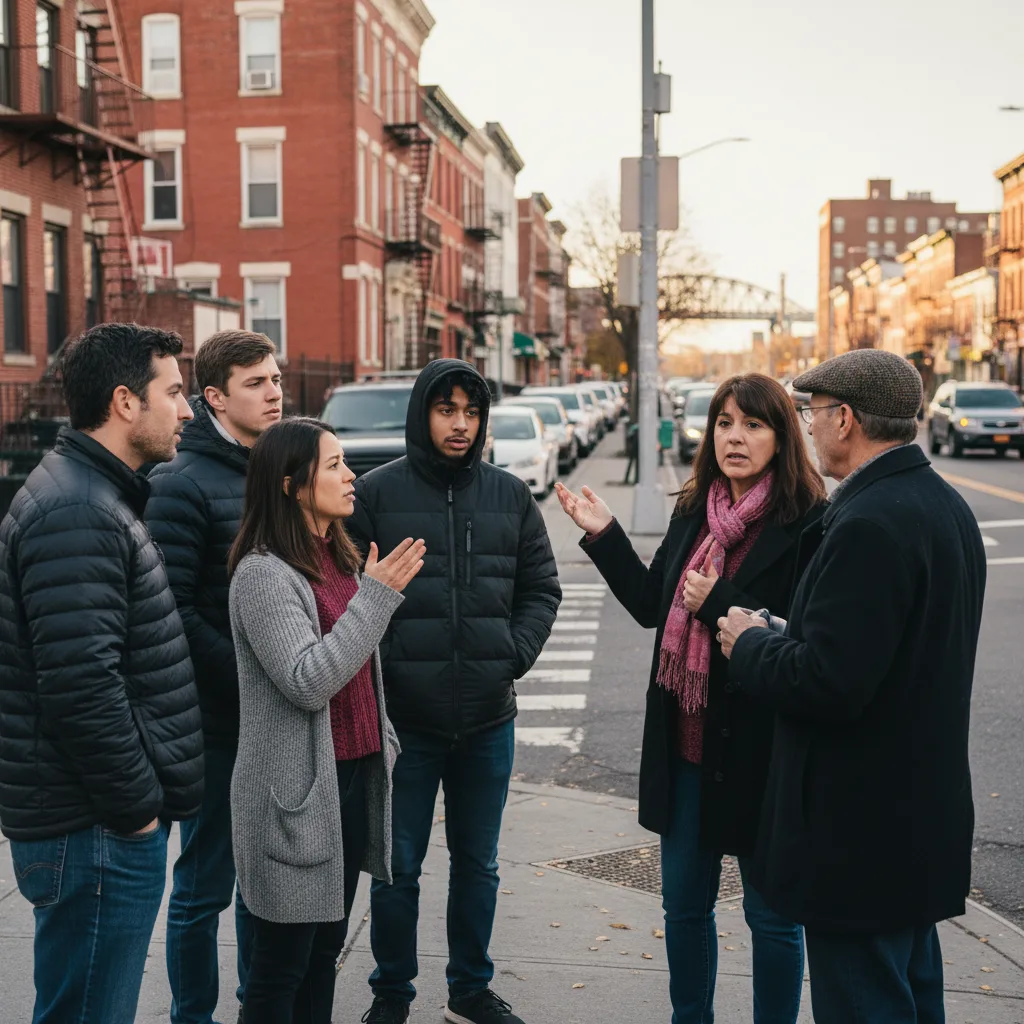
NEW YORK — The U.S. government’s recent extension of a waiver allowing Russian oil imports, aimed at easing global shortages caused by the ongoing Iran conflict, has created a visible rift in opinion among residents along Cross Bay Boulevard. The move, intended to stabilize domestic fuel supplies amidst rising international tensions, has sparked lively, and often contentious, debates from local bars to community board meetings, as reported by ABC News International.
In the diverse neighborhoods spanning from Howard Beach to the Rockaways, residents are grappling with the implications of this foreign policy decision. Some view it as a pragmatic step to protect consumers from soaring energy costs, while others condemn it as a compromise of democratic values.
Split Opinions in Local Establishments
At popular hangouts like Lenny’s Clam Bar on Cross Bay Boulevard, the issue is a frequent subject of debate. “Finally, cheap gas! This is what we need to keep the cabs running without bankrupting us,” exclaimed Tony “The Wheelman” Esposito, a veteran taxi driver, clinking glasses with fellow drivers. For many in the transportation sector, the waiver represents a tangible relief from the pressures of fluctuating fuel prices, which directly affect their livelihoods and overall operational costs.
Conversely, a strong dissenting voice emerged from a recent Rockaway Community Board 14 meeting. “This is selling out to Putin! We shouldn't be funding aggression, no matter the price of gas,” declared Sarah Jenkins, a local activist. Her passionate remarks were met with applause from a segment of the audience, highlighting the moral and ethical dilemmas residents face, particularly regarding global political developments.
Protests and Public Demonstrations
The discontent is not limited to verbal arguments. Small-scale pickets have been observed outside a Shell station near the Belt Parkway overpass, organized by groups protesting the waiver. Participants held signs denouncing the policy, urging the Biden administration to prioritize human rights and democratic principles over energy expediency.
“Our values shouldn’t be negotiable,” asserted Mark Chen, an organizer with the ‘Queens for Democracy’ collective. He told reporters, “Easing sanctions on Russian oil sends the wrong message globally and undermines our standing. We need sustainable energy solutions, not short-term fixes that compromise our integrity.” The group plans further demonstrations throughout spring 2026.
Economic Realities Versus Ethical Concerns
The core of the debate often pits economic realities against ethical concerns. For many working-class families along Cross Bay Boulevard, every cent saved at the gas pump or on utility bills makes a significant difference. Lower fuel costs can translate to reduced fares for public transportation, less strain on household budgets, and potentially fewer delays on subway lines like the A train, as some local families speculate while at the Charles Memorial Park playgrounds.
However, others argue that these short-term economic gains come at too high a moral cost. They point to the broader geopolitical implications of supporting a regime accused of human rights violations and aggressive expansionism. This tension creates a complex narrative within the community, where individual financial relief often clashes with collective moral responsibility.
Navigating Policy and Community Dialogue
Local politicians acknowledge the difficult balance. Council Member Joann Ariola (District 32) released a statement acknowledging the “deeply divided opinions” within her constituency. She emphasized the need for continued public dialogue and understanding as the U.S. navigates complex international relations, while also prioritizing the economic stability of Queens families.
As the waiver remains in effect, discussions along Cross Bay Boulevard are expected to continue. The varied reactions underscore the intricate ways global policy decisions manifest as highly personal and communal issues, shaping everything from daily commutes to fundamental civic debates within Queens neighborhoods. This dialogue also intersects with conversations about local business growth and challenges.
Frequently Asked Questions About Russian Oil Waiver
Q: What is the U.S. waiver on Russian oil imports? A: The U.S. extended a waiver allowing Russian oil imports to address global energy shortages, specifically those caused by the ongoing conflict involving Iran. The aim is to stabilize domestic fuel supplies and mitigate rising prices.
Q: How has the Cross Bay Boulevard community reacted to this waiver? A: The community is divided. Some, like taxi drivers, welcome the waiver for potentially lowering fuel costs, while others, including activists and community board members, strongly oppose it, viewing it as a compromise of ethical principles and support for an aggressor nation.
Q: What are the main arguments in favor of the waiver from a local perspective? A: Proponents argue that the waiver helps keep gas prices down, directly benefiting commuters, delivery services, and public transportation users by potentially reducing operating costs and delays, thus easing economic strain on families.
Q: What are the main ethical concerns raised by opponents of the waiver? A: Opponents argue that allowing Russian oil imports implicitly supports a regime associated with human rights violations and aggression. They believe that prioritizing economic convenience over ethical considerations undermines U.S. foreign policy and global democratic values.
Q: Are there any public actions being taken by those opposed to the waiver? A: Yes, groups like ‘Queens for Democracy’ have organized small-scale pickets outside local gas stations along Cross Bay Boulevard. They are advocating for the U.S. to reverse the waiver and pursue more sustainable and ethically aligned energy policies.
Written by
Newstrix
Cross Bay News
Related Articles
More in National & World →
Police Fire Tear Gas as Protests Spread Across France 2026
Police fired tear gas as tens of thousands rallied across France on Oct 6, 2026, protesting for education reforms. High schools were blockaded.
Cross Bay Boulevard Residents React to Ukraine Drone Attack on Moscow
Cross Bay Boulevard residents voice concerns as Ukraine launches a major drone attack on Moscow, signaling conflict escalation and raising local anxieties.
56-Year-Old Exporter Granted Bail in St James Parish Court 2026
A 56-year-old exporter was granted $600,000 bail in St James Parish Court, Montego Bay, on Oct 6, 2026, after his attorney challenged the charges.

French Student Protests Spread, Prompting Global Concern
French student protests are spreading nationwide, sparking global concern and discussions among international observers and Cross Bay Boulevard residents.
Cross Bay Boulevard Residents Anxious Over Escalating Global Tensions 2026
Cross Bay Boulevard residents express anxiety as North Korea missile tests and stalled Iran talks escalate global tensions. Concerns arise about local economic impacts.
Kyiv Northern Bridge Strike Prompts Safety Discussions Among Cross Bay Residents 2026
Cross Bay Boulevard residents, especially those with ties to Ukraine, are discussing civilian safety and transportation disruptions after a Russian strike hit Kyiv's Northern Bridge on October 3, 2026. This impacts Queens communities.