


South Queens Residents Face Recurring Flooding from Nor'easter
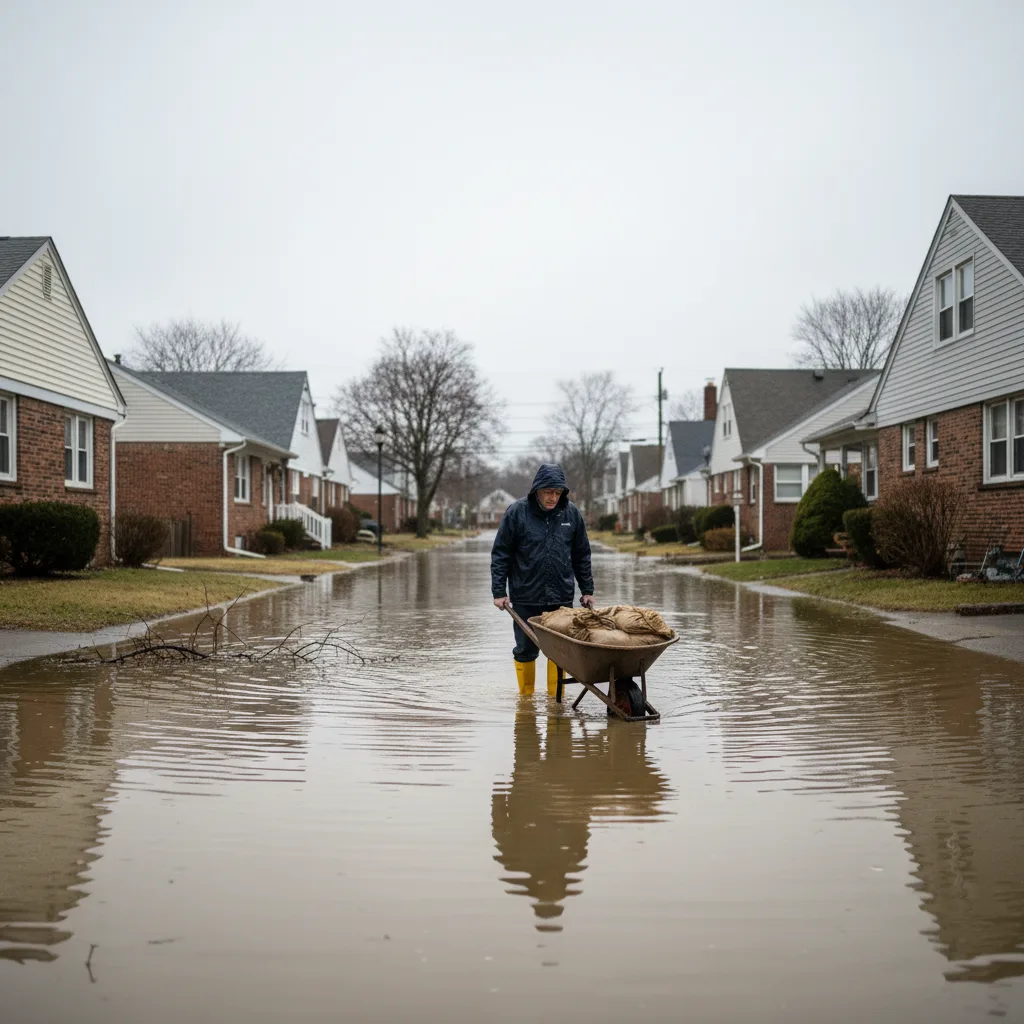
NEW YORK — Residents across south Queens experienced recurring flooding this week as a nor'easter brought heavy rains, high winds, and significant disruptions to neighborhoods like Hamilton Beach and Howard Beach. The storm toppled trees and inundated streets, exacerbating ongoing infrastructure challenges for commuters along Cross Bay Boulevard.
Nor'easter Unleashes Chaos Across Southern Queens
The recent nor'easter delivered a fresh round of severe weather, leading to widespread power outages and treacherous driving conditions. Local news outlets, including QChron.com, reported numerous instances of streets becoming impassable due to standing water and debris, causing significant inconvenience for daily routines.
The storm's impact highlighted the persistent vulnerability of south Queens communities to inclement weather. Many residents woke to flooded basements and damaged property, marking another frustrating chapter in the area's battle against recurring storm-related issues.
Local Impact on Hamilton Beach and Howard Beach
Hamilton Beach and Howard Beach were among the hardest-hit areas, with several streets resembling rivers rather than roadways. The combination of heavy rainfall and high tides near Jamaica Bay contributed to the rapid accumulation of water, trapping some residents in their homes or delaying their commutes.
Community leaders have expressed renewed concerns about the effectiveness of existing storm mitigation measures. This latest event adds pressure on city officials to prioritize comprehensive solutions for these low-lying neighborhoods, which are often the first to feel the brunt of severe weather.
Emergency Services Respond to Storm Incidents
Emergency services were stretched thin, responding to calls for fallen trees, localized flooding, and minor accidents caused by slick roads. The FDNY and local police precincts were on heightened alert throughout the duration of the storm, working to clear debris and assist affected residents.
The quick response from first responders helped manage immediate safety concerns, but the underlying issues of infrastructure resilience remain. Residents were advised to stay indoors and avoid unnecessary travel, particularly near major arteries like Cross Bay Boulevard, which saw significant traffic disruption.
Call for Improved Drainage and Infrastructure Resilience
The repeated flooding events have intensified calls for improved drainage systems and resilient infrastructure to protect south Queens communities. Local advocacy groups and elected officials are pushing for increased investment in storm preparedness and long-term climate adaptation strategies.
Community members are urging the Department of Environmental Protection (DEP) to accelerate projects designed to alleviate chronic flooding. The nor'easter serves as a stark reminder of the urgent need for upgrades, as residents continue to bear the brunt of an aging infrastructure system. Read about Councilmember Ariola's call for infrastructure overhaul after Queens flooding.
Next Steps for South Queens Recovery and Mitigation
As the waters recede, city crews will begin the extensive cleanup process, removing debris and inspecting infrastructure for damage. The focus will then shift to assessing the long-term impact and planning for future preventative measures.
Local officials are expected to convene with residents and city agencies to discuss recovery efforts and strategies for building more resilient communities. The nor'easter underscores the critical importance of a coordinated and sustained effort to protect south Queens from future weather events.
Frequently Asked Questions
What kind of damage did the nor'easter cause in south Queens?
The nor'easter brought heavy rains and strong winds, leading to widespread street flooding, fallen trees, and localized power outages across south Queens. Residents in areas like Hamilton Beach and Howard Beach reported property damage and significant travel disruptions, impacting their daily lives.
How can residents prepare for future nor'easters and flooding events?
Residents can prepare by securing loose outdoor items, clearing storm drains near their properties, and having an emergency kit ready. It is also advisable to stay informed through local news and official weather advisories, and to avoid driving through flooded streets to ensure personal safety.
Are there any ongoing projects aimed at reducing flooding in south Queens?
Yes, city agencies and local council members are actively working on plans to address chronic flooding in south Queens, including infrastructure upgrades and green solutions. Councilmember Joann Ariola has specifically called for a major infrastructure overhaul to improve drainage and protect communities along the Cross Bay Boulevard corridor.
Written by
Cross Bay News Staff
Cross Bay News
Related Articles
More in Health & Weather →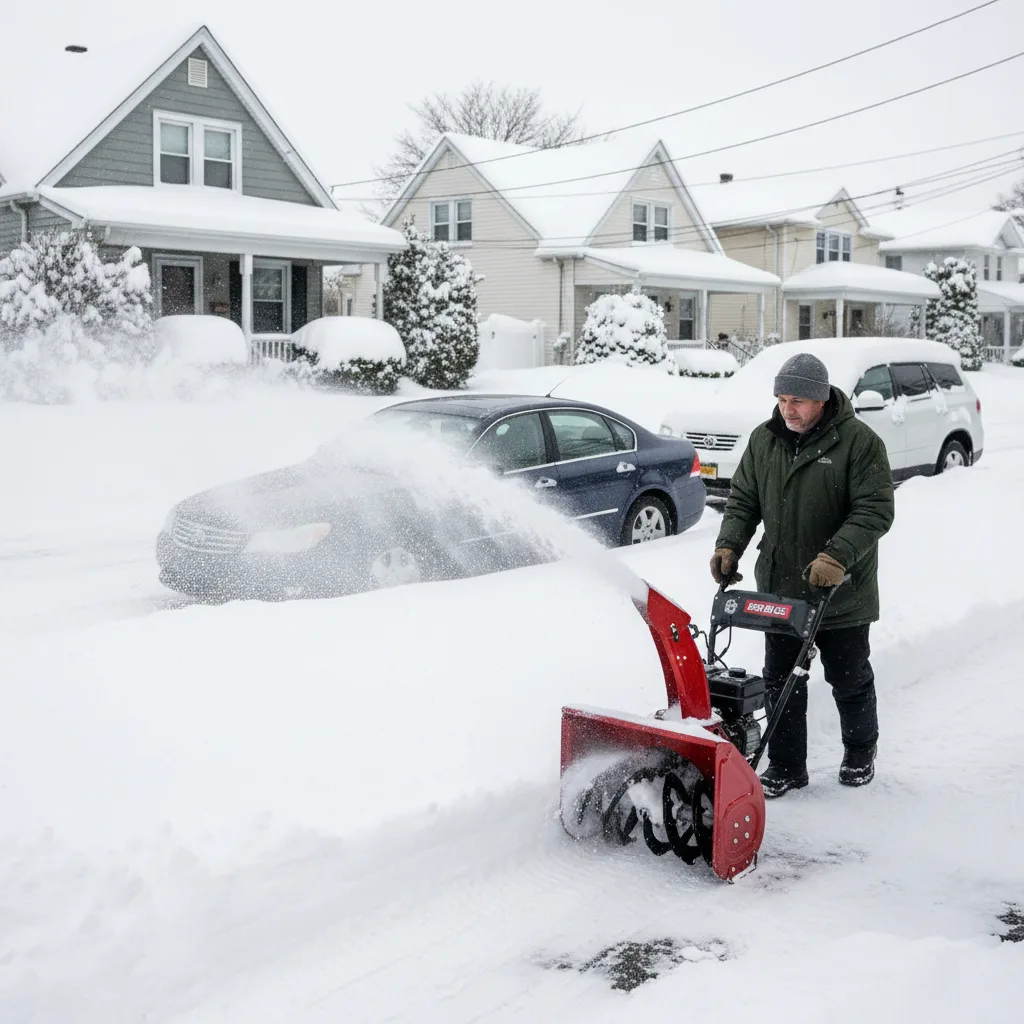
Howard Beach Residents Endure Historic Winter Storm Impacts
Howard Beach residents faced significant local challenges due to a historic winter storm across New York, bringing substantial snowfall and hazardous conditions.
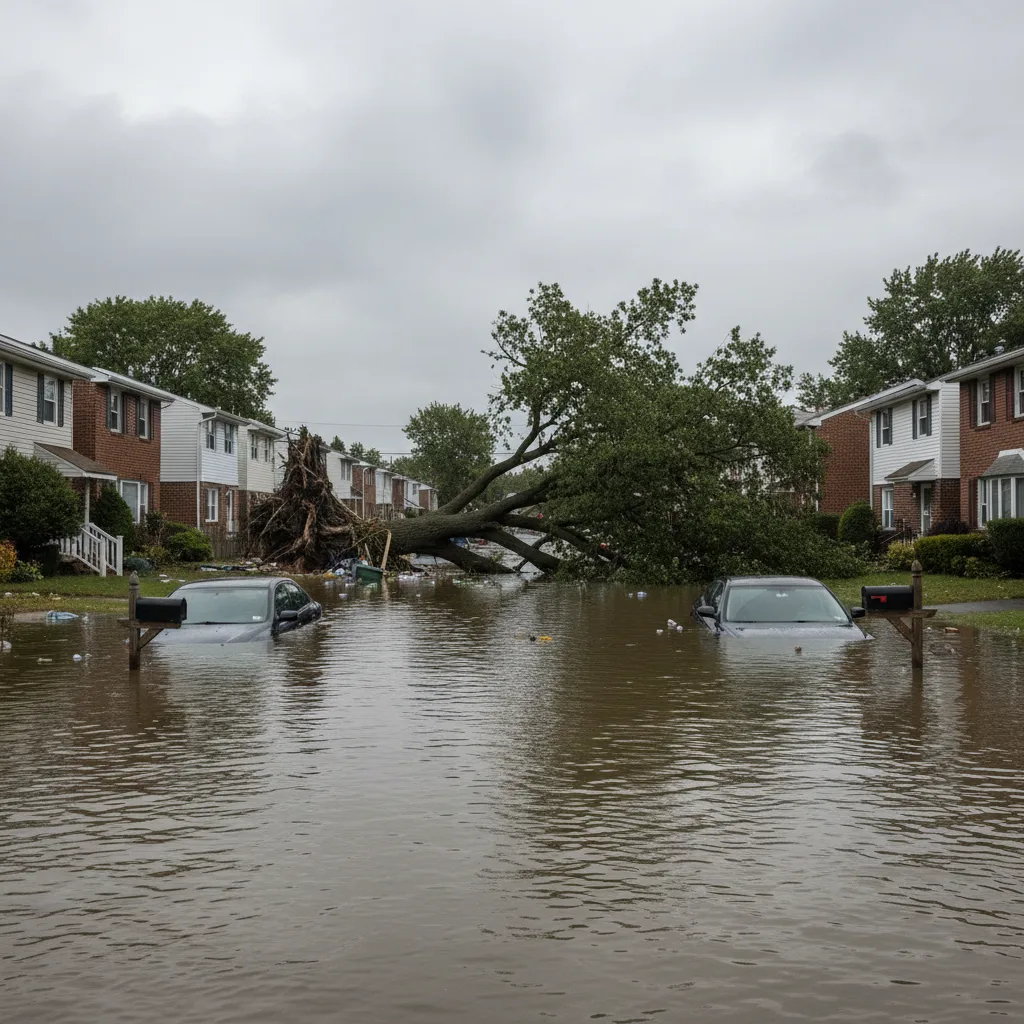
Fall Nor'easter Unleashes Flooding, Damages Howard Beach
A fall nor'easter unleashed severe flooding and toppled trees in Hamilton and Howard Beach, causing widespread disruption in Queens. Residents face significant cleanup and property damage.

Fall Nor'easter Floods Hamilton and Howard Beach Streets
A fall nor'easter caused severe flooding and downed trees in Hamilton and Howard Beach, prompting recovery efforts in Queens.
Queens Deed Theft Law Sees First Conviction
The Queens news archive for November 2026 highlights the first conviction under the state's deed theft law, marking a significant milestone in combating property fraud.
Queens District Attorney Katz Discusses Homicides, Guns, and Scooters
Queens District Attorney Melinda Katz discussed homicides, guns, and scooters at a Community Board 10 meeting in Howard Beach.
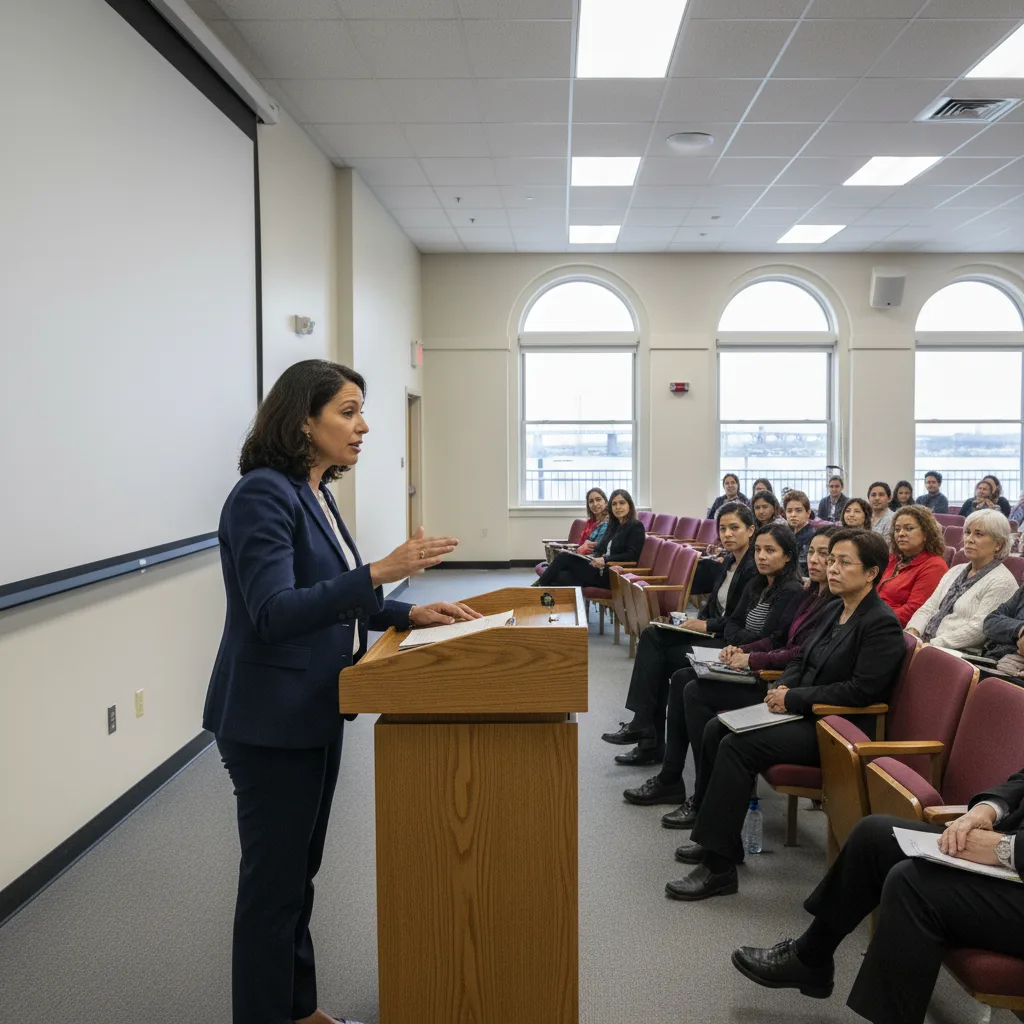
DA Katz Urges Aggressive Scooter Enforcement in Howard Beach
Queens District Attorney Melinda Katz urged aggressive enforcement against illegal scooters and mopeds during a November 5 appearance before Community Board 10 in Howard Beach.