


Strait of Hormuz Standoff Pushes Cross Bay Gas Prices Towards $6 Mark

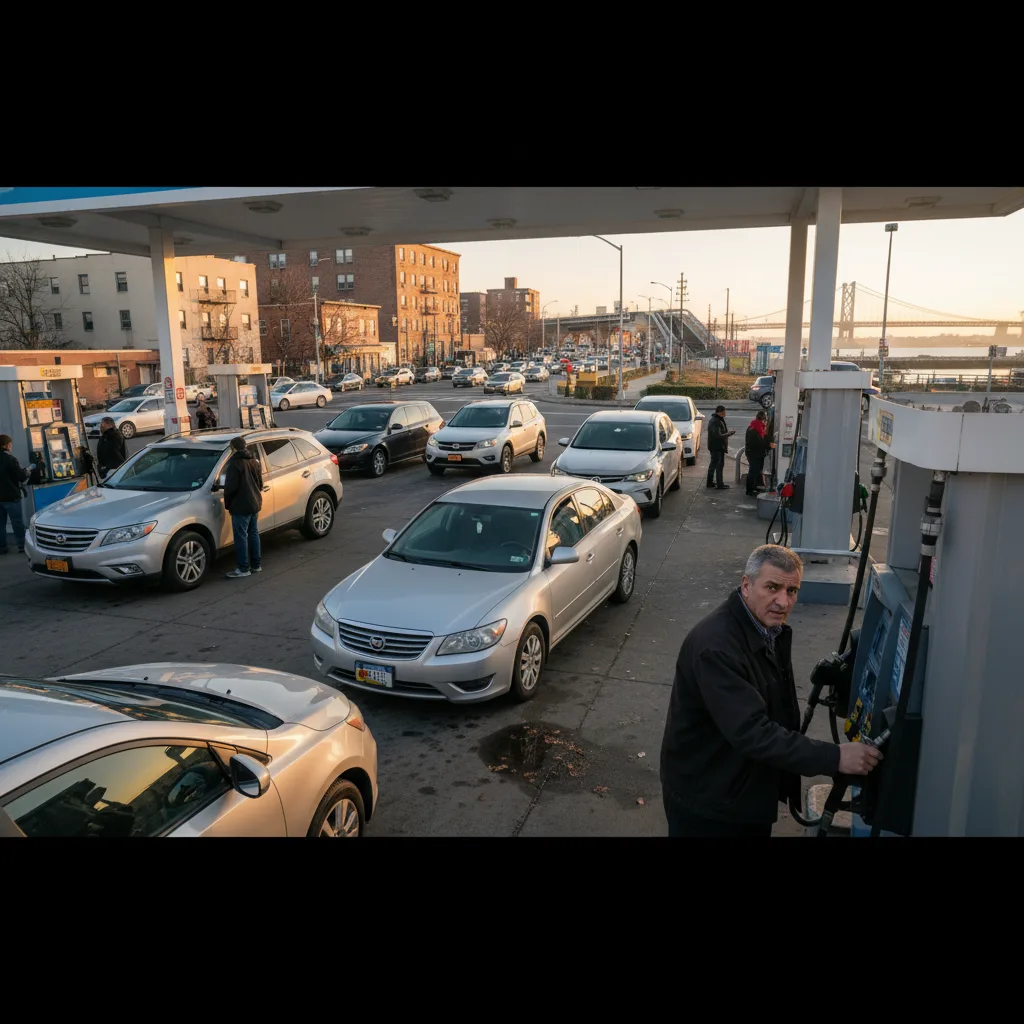
NEW YORK — The ongoing geopolitical tensions surrounding Iran’s recent threats to close the Strait of Hormuz are poised to send gas prices at pumps along Cross Bay Boulevard and throughout Queens soaring, with local analysts projecting a potential rise to over $6 per gallon by late spring 2026. This stark forecast has ignited widespread concern among residents and small business owners, particularly the independent cab drivers and delivery services that rely heavily on affordable fuel.
Iran's parliamentary speaker stated early Sunday that the Strait would remain closed unless the U.S. lifts its blockade, doubling down amid escalating international tensions [1]. This move follows conflicting statements and global fears of oil supply disruptions, potentially impacting a quarter of the world's oil supply.
Local Businesses Brace for Economic Strain
The specter of rapidly increasing fuel costs looms large over the Cross Bay Boulevard commercial corridor. Many small businesses, already navigating inflationary pressures, fear that a substantial hike in gas prices could erode their profit margins and force difficult decisions regarding pricing and operations. Delivery services, especially prevalent in the area, face immediate and significant impact.
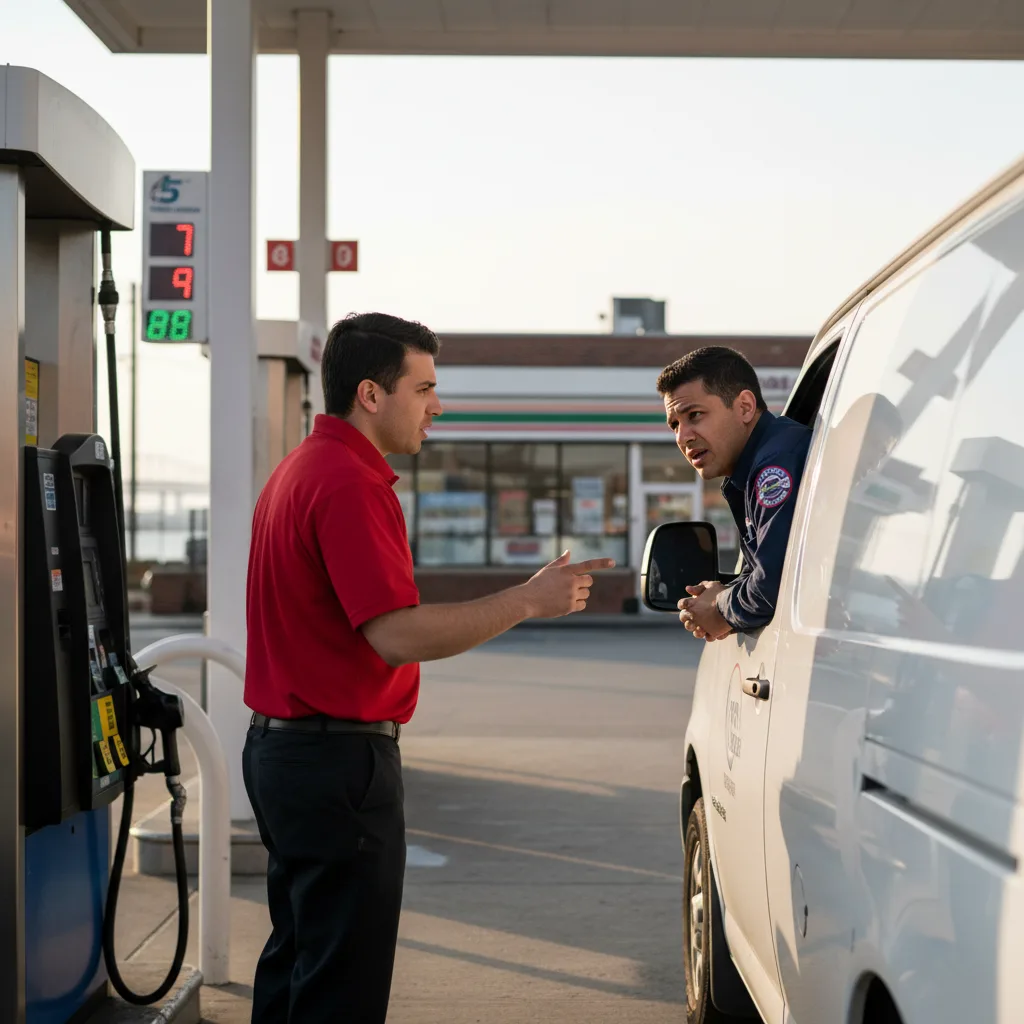
“This Iran Strait thing means $6 gas soon, hurting my fares,” lamented Manny Singh, a taxi driver who operates primarily in the Howard Beach and Ozone Park areas, frequently fueling up at stations on Cross Bay Boulevard. “I already work long hours; if gas goes up another dollar or two, it barely makes sense to be on the road.” His sentiment, shared widely in Cross Bay News forums, highlights the fragile economics of essential local services.
Community Boards Discuss Emergency Fuel Plans
Howard Beach Community Board 10 has already initiated preliminary discussions on emergency fuel plans, examining potential strategies to mitigate the impact on essential services and vulnerable populations. While immediate solutions are limited, the proactive dialogue underscores the seriousness with which local leadership views the potential crisis. Concerns extend beyond personal vehicles to include municipal services and school transportation.
“The ripple effect of global events on our local economy is undeniable,” stated Thomas Giambrone, Chairperson of Community Board 10, following a recent emergency session. “We are advising residents to monitor the situation closely and consider fuel-efficient alternatives where possible. Our priority is to protect our families and local businesses from the worst impacts.” The urgency is palpable at local bodegas and markets where residents often discuss current events.
A Global Issue with Local Repercussions
Experts at the New York Energy Research Consortium estimate that if the Strait of Hormuz remains closed for an extended period, global oil prices could spike by 20-30%, translating directly to significant increases at the pump within weeks. For Queens, a borough heavily reliant on vehicle transportation, this means increased operational costs for virtually every sector.
“The supply chain is highly sensitive to disruptions in critical shipping lanes like the Strait of Hormuz,” explained Dr. Lena Hanson, a senior economist at NYU Stern School of Business. “Even the threat of closure creates market volatility, which rapidly trickles down to consumer prices, especially for something as inelastic as gasoline.” This economic pressure compounds existing anxieties about the Queens economic outlook 2026.
Consumer Behavior Shifts and Frustration Over Policy
In anticipation of potential price increases, some Queens families have already begun adjusting their consumption habits, stocking up on groceries earlier than usual, fearing broader inflationary trends. The local talk mixes worry with a degree of frustration over U.S. foreign policy, seen in viral Cross Bay group chats.
“It’s always us, the regular people, who pay the price for these international disputes,” commented Javier Perez, a resident of Ozone Park, while filling his tank at a Cross Bay Boulevard gas station near the Belt Parkway. “I just hope our government has a plan that doesn’t leave us struggling to afford our commutes.” The uncertainty fuels a sense of helplessness among many hardworking individuals.
The Role of Local Government and Advocacy
City Council Member Joann Ariola’s office indicated they are in communication with federal representatives to convey the local economic concerns. Advocacy groups are also pushing for potential state-level relief measures, such as temporary suspension of state gas taxes, should prices reach critical thresholds. However, such measures are often difficult to implement and sustain.
The situation underscores how global political events have direct, tangible consequences on the daily lives and financial well-being of local communities like those along Cross Bay Boulevard, transforming distant headlines into immediate household burdens.
Frequently Asked Questions About Cross Bay Boulevard Gas Prices
Why would the Strait of Hormuz closure significantly impact Cross Bay Boulevard gas prices? The Strait of Hormuz is a crucial chokepoint for global oil shipments, with roughly 20-30% of the world's petroleum passing through it daily. Any disruption or closure would severely restrict global oil supply, leading to immediate and sharp increases in crude oil prices, which directly translates to higher gas prices at local pumps, including those along Cross Bay Boulevard. The global oil market is interconnected, making local prices susceptible to such international events.
What are local cab drivers and delivery services anticipating from this situation? Local cab drivers and delivery services along Cross Bay Boulevard anticipate significant economic hardship. Higher fuel costs mean reduced profits per fare or delivery, potentially forcing them to increase their service charges or reduce their working hours to offset expenses. This directly impacts their livelihood and may lead to higher costs for consumers using these services. Many are already seeing their daily take reduced by existing price levels.
What can Cross Bay Boulevard residents do to prepare for potential gas price increases? Residents are advised to monitor the situation, consider consolidating errands to reduce driving, and explore public transportation options if available. For those with flexible work arrangements, carpooling or adjusting commute schedules might help. Community boards are also discussing resource-sharing initiatives, and residents can attend local meetings to voice their concerns and learn about potential local support programs or advocacy efforts. Understanding future of education Queens and how it affects commuting might also be relevant for some.
Written by
Newstrix
Cross Bay News
Related Articles
More in Local Economy & Business →
Queens Residents Face Soaring Rent Hikes, Housing Scarcity Along Cross Bay
Queens residents, especially along Cross Bay Boulevard, face severe rent hikes and housing scarcity, mirroring international housing protests. Local families are struggling.
Cross Bay Boulevard Residents Anxious Over Strait of Hormuz Standoff
Cross Bay Boulevard residents are anxious as Iran's Strait of Hormuz stance threatens gas prices and local economy, affecting daily commutes and costs.
Cross Bay Boulevard Residents Concerned Over Yemen Airstrikes Impact on Economy 2026
Queens residents on Cross Bay Boulevard are concerned about rising gas prices and supply issues after Saudi airstrikes hit Yemen's capital on October 3, 2026. This impacts the local economy.
Cross Bay Residents Discuss Iran War Impact on Household Budgets
Cross Bay residents discuss the U.S.-Iran crisis impact on gas prices and household budgets, fearing a ripple effect on daily costs.

Your Essential Guide to Sandals Jamaica Montego Bay for Queens Travelers
Planning a luxurious escape? Our guide to Sandals Jamaica Montego Bay helps Queens residents plan the perfect all-inclusive, adults-only Caribbean getaway.
Your Guide to Exploring Jamaica Excursions from Montego Bay for Queens Travelers
Discover the best Jamaica excursions from Montego Bay for Queens residents, including top attractions, transportation tips, and what to pack for your adventure.