


Strait of Hormuz Blockade Alarms Cross Bay Boulevard Businesses

NEW YORK — A recent warning from the Food and Agriculture Organization (FAO) about a potential global hunger catastrophe underscores the severe implications of the U.S. Navy’s blockade of Iranian ports in the Strait of Hormuz. This escalating geopolitical crisis is reverberating through Queens, particularly impacting businesses and residents along Cross Bay Boulevard. Concerns are mounting over potential gas price spikes and disruptions to local grocery store supply chains, directly affecting the daily lives and livelihoods of many.
The U.S. Navy initiated the blockade on orders from President Donald Trump, a move that has significantly heightened international tensions. China has issued a strong warning against the blockade, signaling potential widespread diplomatic and economic repercussions. Peace talks between the U.S. and Iran in Pakistan have stalled, with prospects for resumption uncertain, contributing to a climate of global instability that worries local Queens residents.
Local Businesses Brace for Economic Fallout
Shopkeepers along Cross Bay Boulevard are reporting a noticeable increase in customer inquiries regarding rising food costs and potential energy price increases. These conversations highlight the immediate, tangible fears of local families about their household budgets. The familiar rumble of city buses traversing Cross Bay Boulevard seemed to carry an added weight of uncertainty this week.
Maria Rodriguez, owner of Rodriguez Groceries on Cross Bay Boulevard near 157th Avenue, confirmed the growing anxiety. “Customers are asking me almost daily if prices are going up, especially for imported goods,” Rodriguez told reporters on April 10, 2026. She noted a 5% increase in the wholesale price of certain grains already, attributing it to supply chain volatility.
Local gas stations, such as the one at Cross Bay Boulevard and Belt Parkway, are also anticipating significant price hikes. Fuel costs are a major concern for small businesses and commuters alike. Drivers and delivery services, particularly those operating near the Howard Beach-JFK Airport subway station, are especially vulnerable to these fluctuations, directly impacting their operating margins and profitability.
Taxi Drivers and Supply Chain Worries
The blockade’s potential impact on fuel costs is a critical issue for local transportation workers. Taxi and delivery drivers, integral to Queens’ economy, are discussing the looming threat to their income at street corners and local diners. This widespread apprehension demonstrates the direct connection between global politics and local economic realities.
“My fuel costs are already high,” explained Jamal Khan, a taxi driver based in Ozone Park, on April 11, 2026. “If gas prices jump because of this blockade, it will hit me hard. I’m worried about how I’ll make ends meet.” Khan’s sentiments are echoed by dozens of his colleagues, whose livelihoods depend on affordable fuel prices.
Beyond fuel, the blockade threatens broader supply chain stability for local grocery stores like Key Food on Cross Bay. Any disruption in shipping routes or increased insurance costs for international freight could translate directly into higher prices for consumers. This directly impacts the affordability of everyday staples for Queens families, forcing difficult budgeting decisions.
Geopolitical Tensions and Local Conversations
President Trump’s order to blockade Iranian ports has not only escalated international tensions but also become a frequent topic of conversation in Cross Bay Boulevard households. Families are discussing the possibility of stocking up on essentials, a stark indicator of public concern. These discussions underscore how global events can quickly translate into household preparedness strategies.
The U.S. Navy confirmed the implementation of the blockade on April 9, 2026, citing national security interests. However, the international community's response has been mixed, with China's Ministry of Foreign Affairs spokesperson, Hua Chunying, publicly warning the U.S. against actions that destabilize global trade. Her statement, made on April 10, 2026, highlighted the potential for severe economic consequences worldwide.
The stalled peace talks between the U.S. and Iran in Pakistan further exacerbate the uncertainty. Diplomatic efforts, once seen as a potential de-escalation path, now appear gridlocked. This diplomatic impasse adds another layer of anxiety for Queens residents who are closely watching how these developments might affect their pocketbooks.
FAO Warning Resonates in Queens
The Food and Agriculture Organization's (FAO) explicit warning that the crisis could lead to a global hunger catastrophe has particularly resonated with families in Cross Bay. For a diverse community that relies on a stable food supply, such a pronouncement is alarming. This concern is not just theoretical; it translates into practical worries about grocery store shelves and meal planning.
An FAO press release, dated April 8, 2026, highlighted the Strait of Hormuz’s critical role in global oil and food shipments. Any prolonged disruption, according to FAO Director-General Qu Dongyu, could trigger unprecedented price increases for staple commodities. “The humanitarian cost could be immense, impacting vulnerable populations globally,” Qu Dongyu stated.
This dire warning has prompted local food pantries and community support organizations in Queens to begin contingency planning. They are assessing their capacity to handle increased demand should food prices surge significantly. The interconnectedness of global trade and local food security is now undeniably clear to many residents. For more information, see the Democracy Now headlines.
Frequently Asked Questions About the Blockade’s Impact
Queens residents often ask how long the Strait of Hormuz blockade is expected to last. Official sources from the U.S. government have not provided an end date, stating that the duration depends on diplomatic and strategic developments. This uncertainty contributes significantly to the economic anxieties felt along Cross Bay Boulevard. Further updates on peace talks are anticipated.
Another frequent question concerns specific actions residents can take to mitigate the economic impact. Financial advisors suggest reviewing household budgets, minimizing non-essential spending, and, for those able, modestly stocking non-perishable goods. Community groups also recommend sharing resources and supporting local businesses that might be struggling. Vigilance on energy consumption is also advised.
Many inquire about the likelihood of gas rationing in New York. While authorities have not indicated any immediate plans for rationing, the possibility remains a concern for drivers. Local taxi associations have already begun discussions with city officials about potential relief measures, including fuel subsidies, if prices become unmanageable. These discussions are ongoing and critical.
Finally, residents often ask where to find reliable information regarding market fluctuations and supply chain updates. Local news outlets, government consumer protection agencies, and reputable international economic organizations are recommended sources. Staying informed is crucial for making informed decisions during periods of economic uncertainty. Accurate data helps to reduce panic and promote informed decision-making.
Written by
Newstrix
Cross Bay News
Related Articles
More in Local Economy & Business →
Queens Residents Face Soaring Rent Hikes, Housing Scarcity Along Cross Bay
Queens residents, especially along Cross Bay Boulevard, face severe rent hikes and housing scarcity, mirroring international housing protests. Local families are struggling.
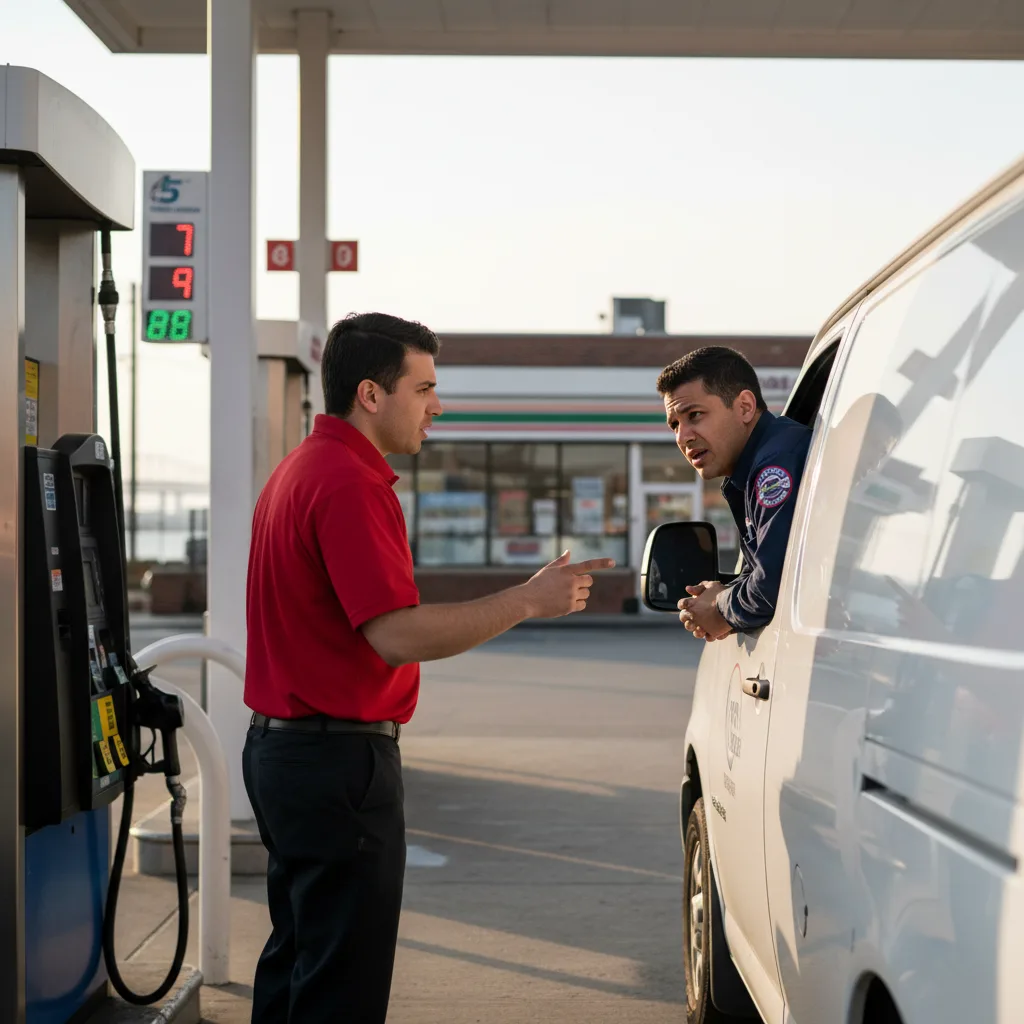
Cross Bay Boulevard Residents Anxious Over Strait of Hormuz Standoff
Cross Bay Boulevard residents are anxious as Iran's Strait of Hormuz stance threatens gas prices and local economy, affecting daily commutes and costs.
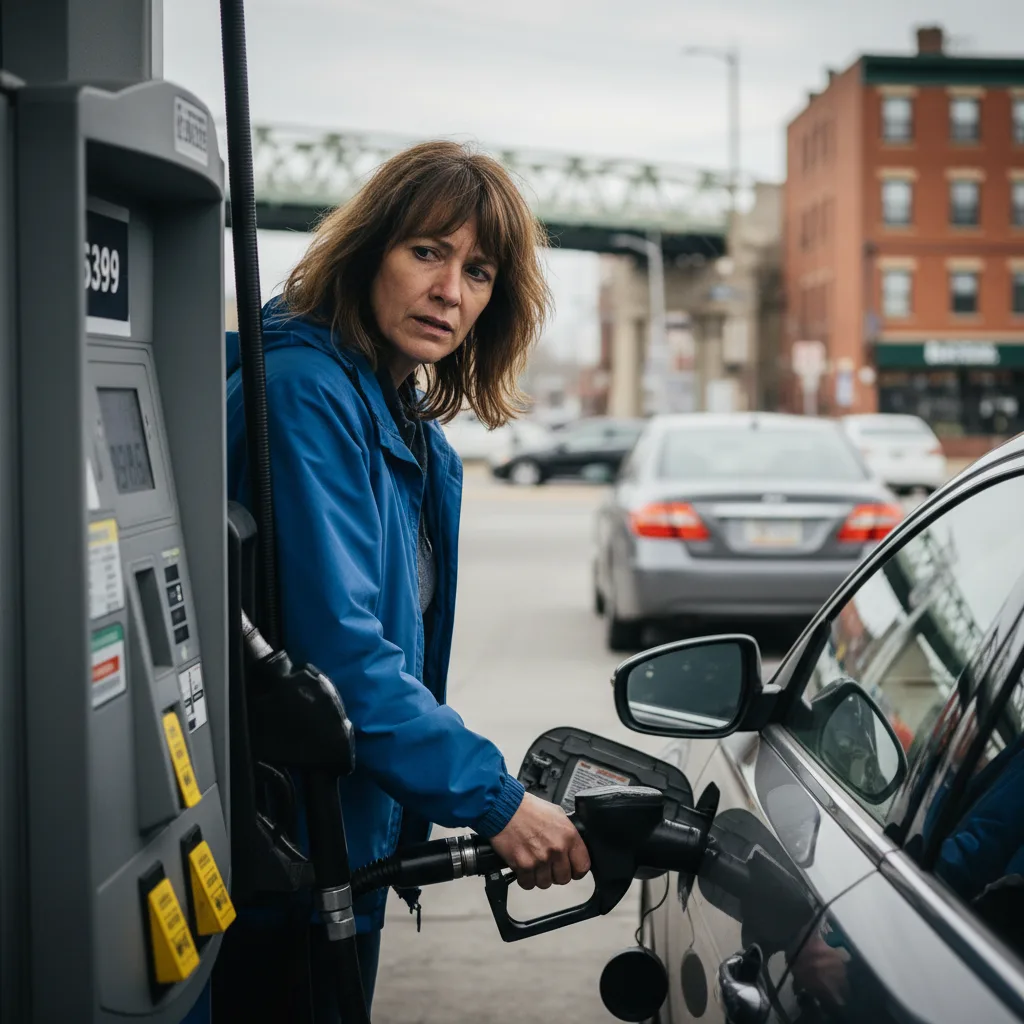
Cross Bay Boulevard Residents Concerned Over Yemen Airstrikes Impact on Economy 2026
Queens residents on Cross Bay Boulevard are concerned about rising gas prices and supply issues after Saudi airstrikes hit Yemen's capital on October 3, 2026. This impacts the local economy.
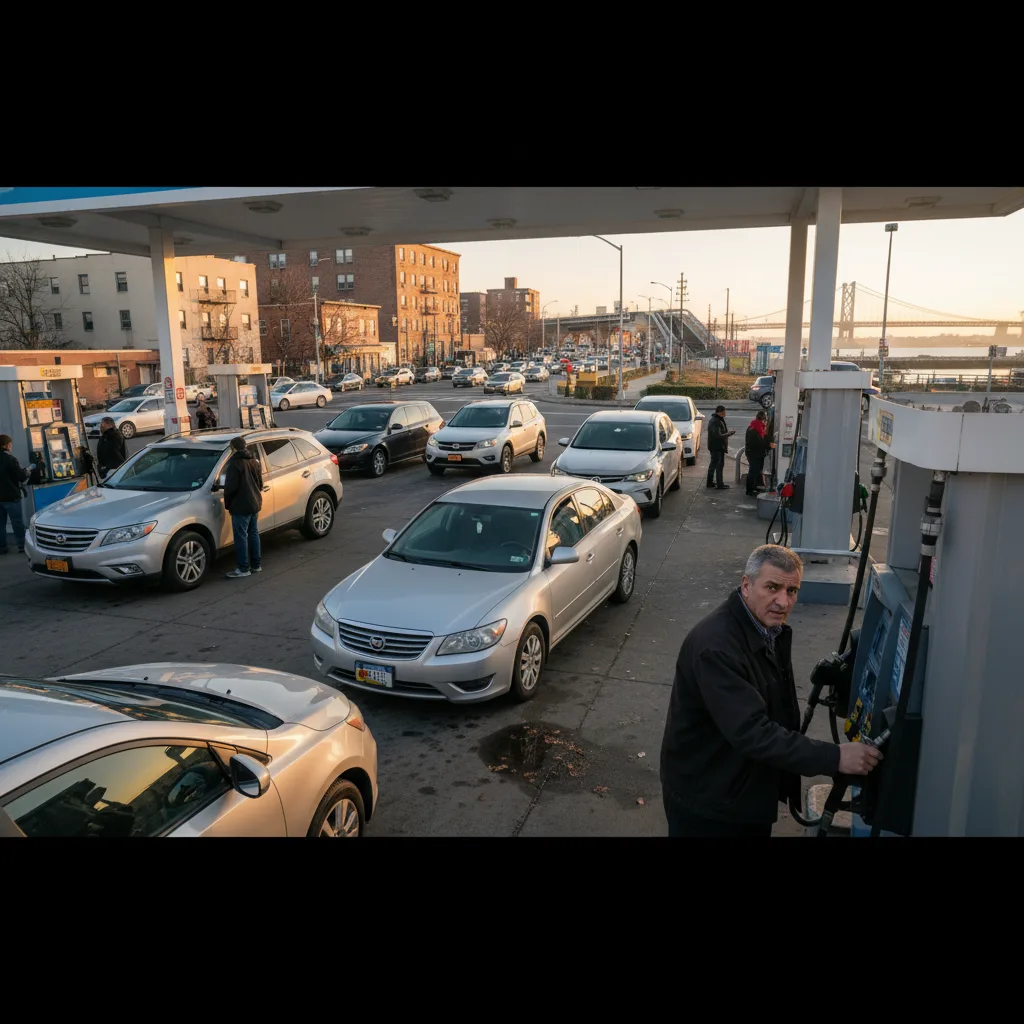
Cross Bay Residents Discuss Iran War Impact on Household Budgets
Cross Bay residents discuss the U.S.-Iran crisis impact on gas prices and household budgets, fearing a ripple effect on daily costs.

Your Essential Guide to Sandals Jamaica Montego Bay for Queens Travelers
Planning a luxurious escape? Our guide to Sandals Jamaica Montego Bay helps Queens residents plan the perfect all-inclusive, adults-only Caribbean getaway.
Your Guide to Exploring Jamaica Excursions from Montego Bay for Queens Travelers
Discover the best Jamaica excursions from Montego Bay for Queens residents, including top attractions, transportation tips, and what to pack for your adventure.