


Strait of Hormuz Closure Stalls US-Iran Talks, Impacts Queens Gas Prices

NEW YORK — The Strait of Hormuz remains closed this week following President Trump’s rejection of Iran’s proposal to reopen the vital waterway in exchange for lifting US blockades. This diplomatic stalemate has stalled ongoing peace talks and escalated the US-Iran conflict, triggering warnings of a global food and energy crisis. The immediate impact is already felt keenly by Queens drivers, particularly at gas stations along Cross Bay Boulevard, where pump prices have seen significant overnight spikes.
United Nations Secretary-General António Guterres issued a stark warning Monday, April 28, 2026, cautioning of a potential global food emergency due to soaring fuel and commodity prices. The disruption to shipping in the Strait, through which approximately 20% of the world's oil supply passes, has caused widespread market instability. This geopolitical tension is directly affecting the wallets of local residents.
Queens Drivers Confront Soaring Fuel Costs
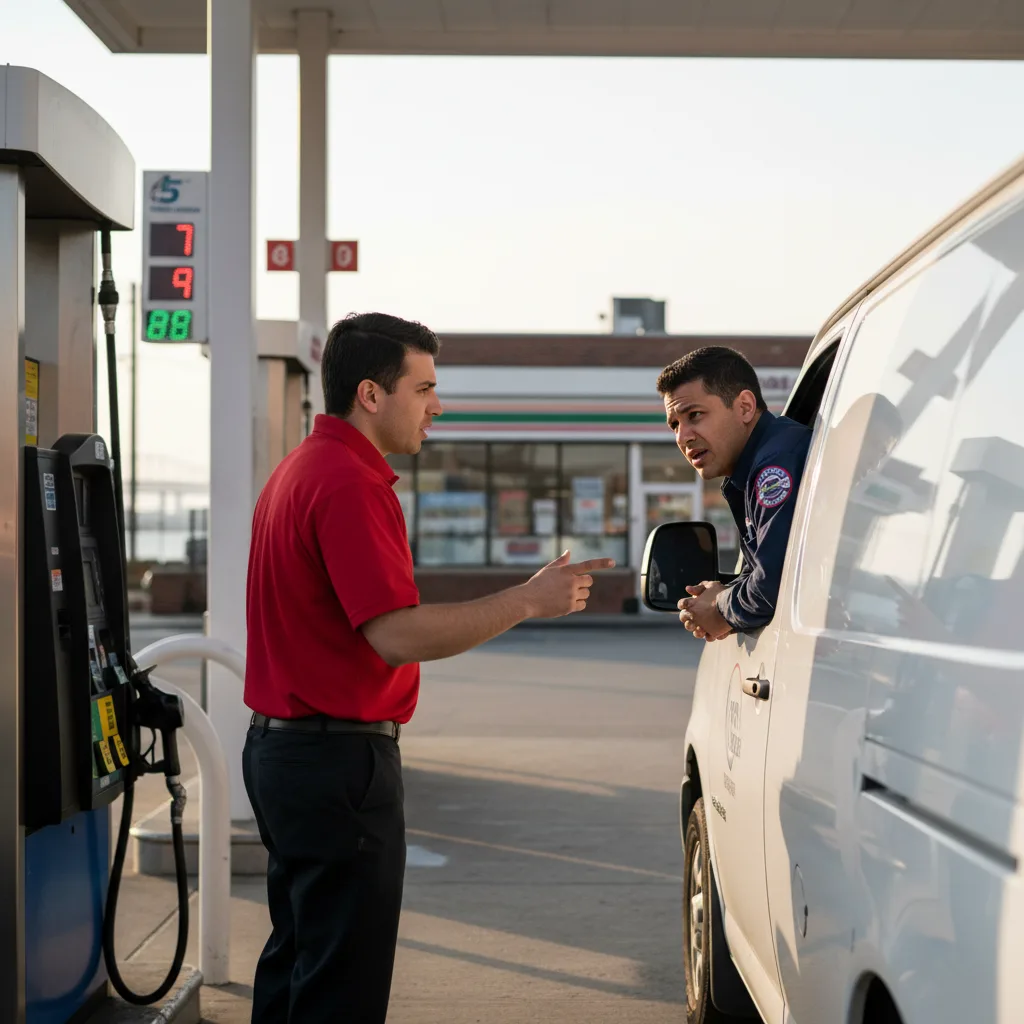
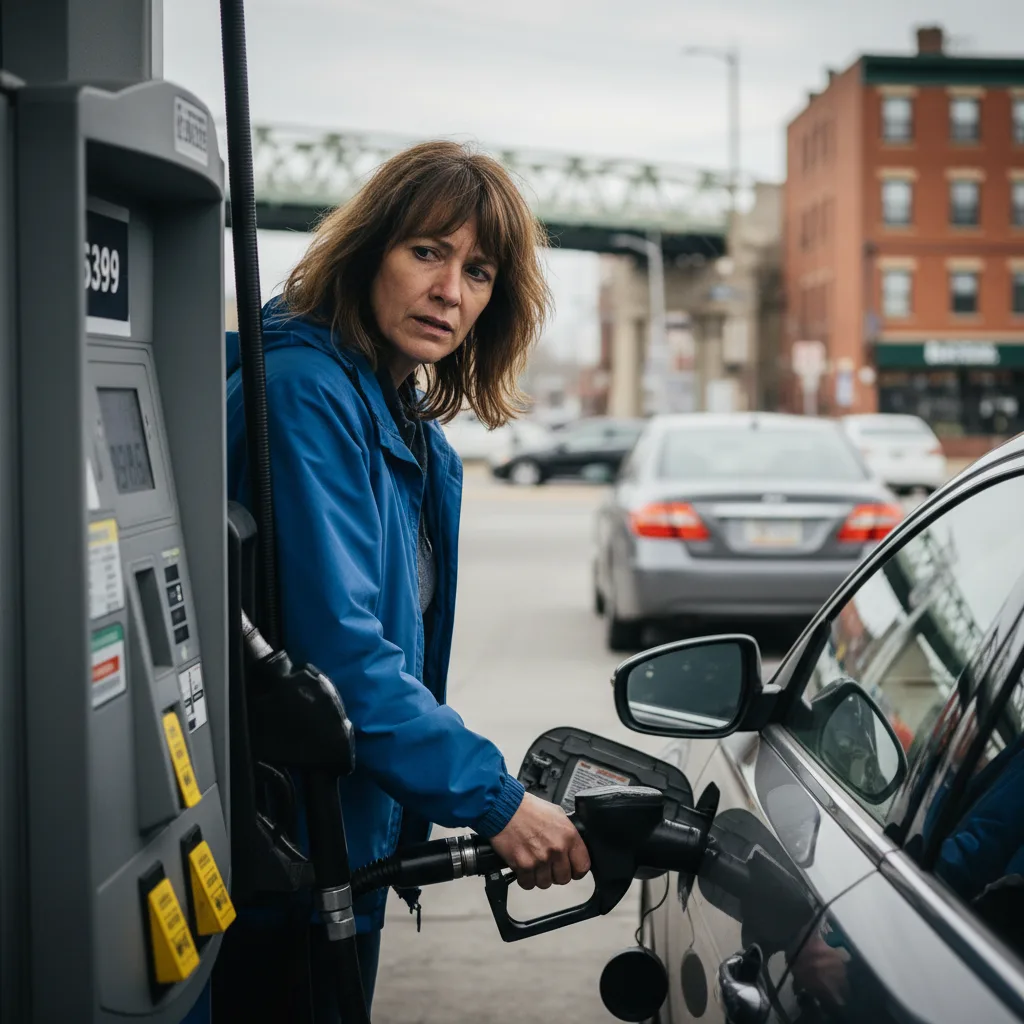
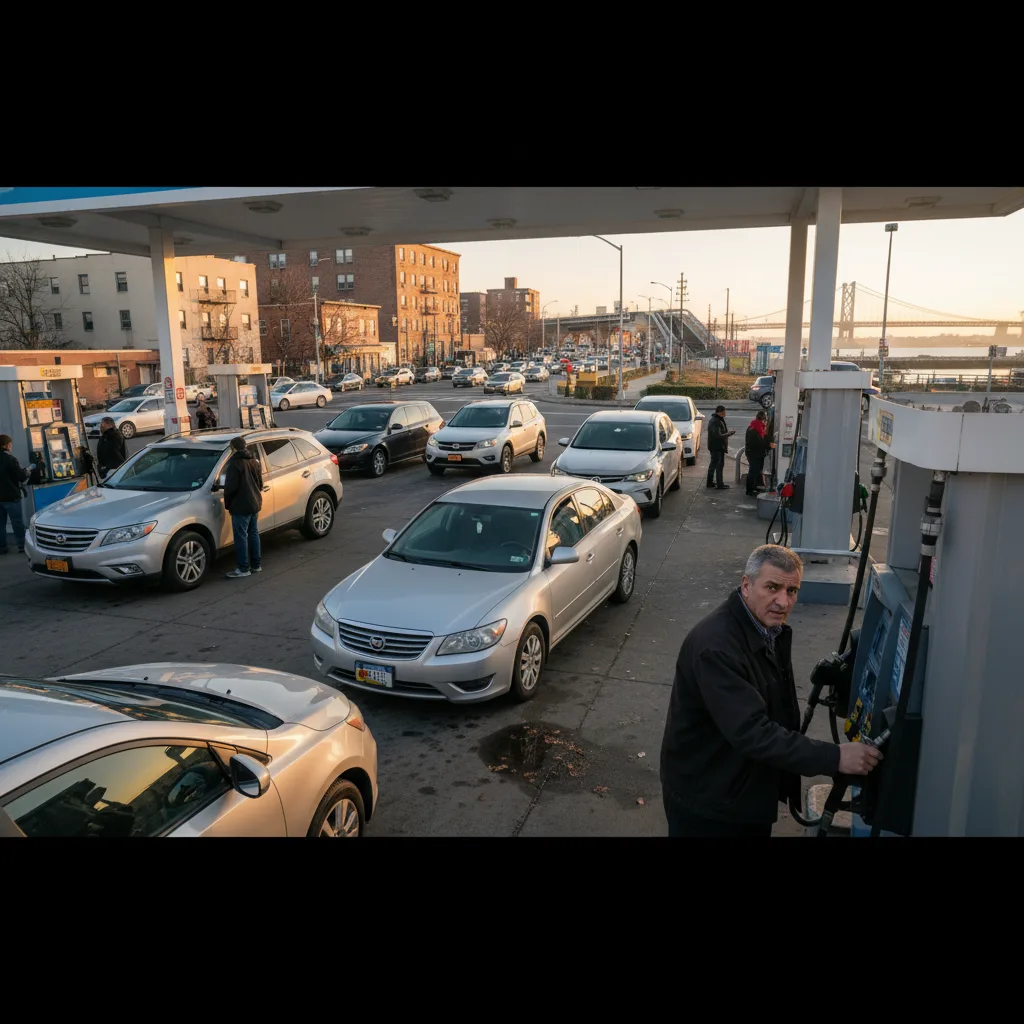
At Cross Bay gas stations, Queens drivers are expressing frustration and dismay over rapidly increasing pump prices. Many reported seeing prices jump by 15-20 cents per gallon overnight, translating into significant additional costs for daily commutes and family errands. This sudden surge is placing an immediate financial burden on households and small businesses dependent on vehicle transportation.
“I filled up yesterday for $4.25 a gallon, and today it’s $4.49,” complained Michael Chen, a taxi driver from Ozone Park, gesturing at a digital sign near the Cross Bay Bridge. “Every penny adds up, and it’s hurting my bottom line. It’s Trump’s tough stance causing this, and we pay the price.” His perspective reflects a common sentiment among some drivers in the area.
Conversely, other residents voice support for President Trump's firm approach. Maria Rodriguez, a small business owner in Howard Beach, believes in standing up to Iran. “We need strong leadership,” Rodriguez stated. “If that means higher gas prices temporarily, then so be it. Some things are more important.” These diverging viewpoints spark debates at local eateries and barber shops along the boulevard.
Global Economic Warnings and Local Preparedness
UN Secretary-General Guterres underscored the severity of the situation, citing the combined effects of rising fuel and commodity prices. This could severely impact global supply chains, leading to higher costs for everything from food to manufactured goods. The prospect of a food emergency looms large, particularly for vulnerable populations worldwide.
In New York, local fishermen in Jamaica Bay are particularly worried about fuel costs hitting their boats. Their livelihoods depend on affordable marine fuel, and extended periods of high prices could jeopardize their fishing seasons. These concerns have sparked street corner debates on whether families should begin to stockpile groceries, creating an atmosphere of economic uncertainty.
Community groups in Rockaway, including the Rockaway Beach Civic Association, are handing out flyers urging support for reopening the Strait of Hormuz. They believe that easing international tensions is crucial to stabilizing everyday expenses for local families. These efforts aim to mobilize public opinion and pressure political leaders for a resolution. For global headlines on the crisis, consult DemocracyNow.org.
International Involvement Amidst Deadlock
The diplomatic deadlock highlights the complex web of international relations surrounding the Strait of Hormuz. Russia's President Putin recently met with Iran's foreign minister, signaling ongoing international involvement in efforts to de-escalate tensions. However, no immediate breakthrough appears imminent, maintaining the pressure on global markets.
US Secretary of State Eleanor Vance, speaking from the State Department, reiterated the administration’s position. “Our blockades are a tool of leverage, and we will not lift them without concrete, verifiable commitments from Iran,” Secretary Vance asserted. “The security of international shipping lanes is paramount, but so is addressing Iran’s destabilizing actions.” This firm stance has complicated efforts towards a swift resolution.
The global community remains divided on the most effective path forward. Some nations advocate for renewed negotiations, while others support maintaining economic pressure on Iran. The protracted nature of this conflict poses a sustained threat to global economic stability, with Queens residents feeling the pinch at home.
Long-Term Economic Outlook for Cross Bay Area
Should the Strait of Hormuz closure persist, the Cross Bay Boulevard area could face sustained economic challenges. Higher fuel costs translate to increased operational expenses for local businesses, potentially leading to price hikes for consumers or even business closures. The local economy, which relies heavily on trade and transportation, is particularly vulnerable.
Analysts from the Queens Chamber of Commerce are closely monitoring the situation. “Any prolonged disruption to global energy markets will have a cascading effect on our local economy,” stated Chamber President Thomas Grech. “We are advising businesses to assess their supply chains and energy consumption now.” This proactive advice aims to mitigate potential negative impacts.
For residents, the long-term outlook could mean a sustained increase in the cost of living, impacting discretionary spending and overall financial well-being. The situation underscores how global geopolitics directly influence the daily financial realities of neighborhoods like those connected by Cross Bay Boulevard, a major commercial artery for the entire Queens area.
Frequently Asked Questions About the Strait of Hormuz Crisis
Why is the Strait of Hormuz closed? The Strait of Hormuz is closed due to President Trump’s rejection of Iran’s proposal to reopen it in exchange for lifting US blockades, escalating US-Iran conflict.
What is the immediate impact on Queens residents? Queens drivers are experiencing significant overnight spikes in gas prices at stations along Cross Bay Boulevard, impacting daily expenses.
What are the global implications of the closure? UN Secretary-General Guterres has warned of a potential global food emergency due to soaring fuel and commodity prices, affecting supply chains worldwide.
How are local communities like Rockaway responding? Community groups in Rockaway are distributing flyers to garner support for reopening the Strait, hoping to ease everyday expenses for families.
Where can I find more global news on this crisis? For comprehensive global headlines and updates on the Strait of Hormuz crisis, you can refer to DemocracyNow.org's daily headlines.
Written by
Newstrix
Cross Bay News
Related Articles
More in Local Economy & Business →
Queens Residents Face Soaring Rent Hikes, Housing Scarcity Along Cross Bay
Queens residents, especially along Cross Bay Boulevard, face severe rent hikes and housing scarcity, mirroring international housing protests. Local families are struggling.
Cross Bay Boulevard Residents Anxious Over Strait of Hormuz Standoff
Cross Bay Boulevard residents are anxious as Iran's Strait of Hormuz stance threatens gas prices and local economy, affecting daily commutes and costs.
Cross Bay Boulevard Residents Concerned Over Yemen Airstrikes Impact on Economy 2026
Queens residents on Cross Bay Boulevard are concerned about rising gas prices and supply issues after Saudi airstrikes hit Yemen's capital on October 3, 2026. This impacts the local economy.
Cross Bay Residents Discuss Iran War Impact on Household Budgets
Cross Bay residents discuss the U.S.-Iran crisis impact on gas prices and household budgets, fearing a ripple effect on daily costs.

Your Essential Guide to Sandals Jamaica Montego Bay for Queens Travelers
Planning a luxurious escape? Our guide to Sandals Jamaica Montego Bay helps Queens residents plan the perfect all-inclusive, adults-only Caribbean getaway.
Your Guide to Exploring Jamaica Excursions from Montego Bay for Queens Travelers
Discover the best Jamaica excursions from Montego Bay for Queens residents, including top attractions, transportation tips, and what to pack for your adventure.