


Strait of Hormuz Reopening Deal Could Affect Queens Drivers, Economy

NEW YORK — The Strait of Hormuz, one of the world's most vital energy chokepoints, accounts for approximately one-third of the world's liquefied natural gas and almost one-quarter of total global petroleum consumption. News of an imminent deal to reopen the strait, as reported by Global News, carries potential implications for Queens commuters and local businesses along Cross Bay Boulevard.
Any significant geopolitical development affecting this crucial waterway can ripple through global energy markets, directly impacting fuel prices and the broader economy, factors closely watched by residents in areas like Howard Beach and Broad Channel.
Global Energy Market Shifts and Local Gas Prices
Former President Donald Trump recently stated that a deal to reopen the Strait of Hormuz is imminent, a declaration that has immediately drawn global attention. This statement signals a potential shift in international energy dynamics, which directly translates to tangible effects at local gas stations across Queens.
Commuters relying on vehicles to navigate the thoroughfares of South Queens, including the often-busy Cross Bay Boulevard, are highly sensitive to fluctuations in fuel costs. Even small changes in the global oil supply can significantly impact household budgets and operational expenses for local small businesses.
Impact on Cross Bay Boulevard Businesses and Logistics
Businesses along Cross Bay Boulevard, ranging from family-owned restaurants to marine supply stores and construction firms, rely heavily on stable supply chains and predictable operating costs. An increase or decrease in global oil prices, triggered by events in the Strait of Hormuz, directly influences transportation costs for goods and services.
"Fuel costs are a major component of our overhead, whether it's for deliveries or for our employees commuting," explained Robert Peretti, owner of a hardware store in Ozone Park, speaking to our reporters in early 2026. "Any news that suggests prices might stabilize or even drop is welcome for every business owner around here." Peretti’s concerns are widely shared among the small business community in Queens.
Geopolitical Developments and Consumer Confidence
Beyond immediate price impacts, significant geopolitical events can influence broader consumer confidence and economic stability. Reports concerning major global chokepoints like the Strait of Hormuz often spark discussions among residents about the future economic outlook, both nationally and locally.
Residents of Queens, a borough celebrated for its diversity and economic resilience, often discuss how global events translate into local realities. Such conversations occur at community centers, local diners, and even during morning commutes along the A train line, underscoring a deep connection between international stability and domestic well-being. For more information on the global impact, read this report.
Supply Chain Considerations for Local Retailers
The Strait of Hormuz is not only crucial for oil but also for the transit of various goods. Disruptions or increased stability in this region can affect international shipping routes and lead times for products arriving at the Port of New York and New Jersey. These delays can then impact local retailers throughout Queens.
Queens businesses, from boutique shops near Forest Park to larger establishments along the commercial strips of Cross Bay Boulevard, depend on timely and cost-effective delivery of inventory. Efficient global shipping, facilitated by open and secure sea lanes, is fundamental to maintaining diverse product offerings and competitive pricing in the local market.
Economic Indicators for 2026 and Beyond
Economists and market analysts will closely monitor the ramifications of any deal concerning the Strait of Hormuz throughout 2026. Data on oil futures, shipping costs, and consumer spending will offer insights into how these global shifts affect local economies in Queens and beyond.
The potential for stabilized or lower energy prices could provide a boost to various sectors, from transportation and manufacturing to retail and hospitality across New York City. Conversely, renewed uncertainty could lead to cautious spending, affecting the vibrant local economy of areas like Jamaica Bay's southern shores.
Frequently Asked Questions About the Strait of Hormuz and Queens
What is the Strait of Hormuz and why is it important? The Strait of Hormuz is a narrow sea passage between the Persian Gulf and the Arabian Sea. It is critically important because it is a primary route for oil and gas exports, handling about one-third of global LNG and nearly a quarter of global petroleum, making it a key determinant of world energy prices.
How could a deal regarding the Strait of Hormuz affect Queens residents? Any development affecting the Strait can influence global oil prices. For Queens residents, this translates directly to changes at the gas pump, impacting daily commuting costs and the operating expenses for local businesses along Cross Bay Boulevard. It also affects the cost of goods due to shipping expenses.
What impact might this have on local businesses on Cross Bay Boulevard? Local businesses, especially those involved in logistics, transportation, or retail, could experience direct effects through changes in fuel costs and supply chain stability. Lower or more predictable energy prices can reduce overhead, potentially benefiting consumers through stable product pricing.
Are Queens residents concerned about global geopolitical events like this? Yes, residents in diverse communities like Queens often discuss how global events, particularly those with economic ramifications, translate into local impacts. Conversations about gas prices, supply chain reliability, and broader economic stability frequently occur in community settings and among commuters.
Who made the announcement about the imminent deal for the Strait of Hormuz? Former President Donald Trump reportedly made the statement, indicating that a deal to reopen the Strait of Hormuz is imminent. This announcement has generated significant international discussion due to the waterway's critical role in global energy and trade.
Written by
Newstrix
Cross Bay News
Related Articles
More in Local Economy & Business →Queens Residents Face Soaring Rent Hikes, Housing Scarcity Along Cross Bay
Queens residents, especially along Cross Bay Boulevard, face severe rent hikes and housing scarcity, mirroring international housing protests. Local families are struggling.
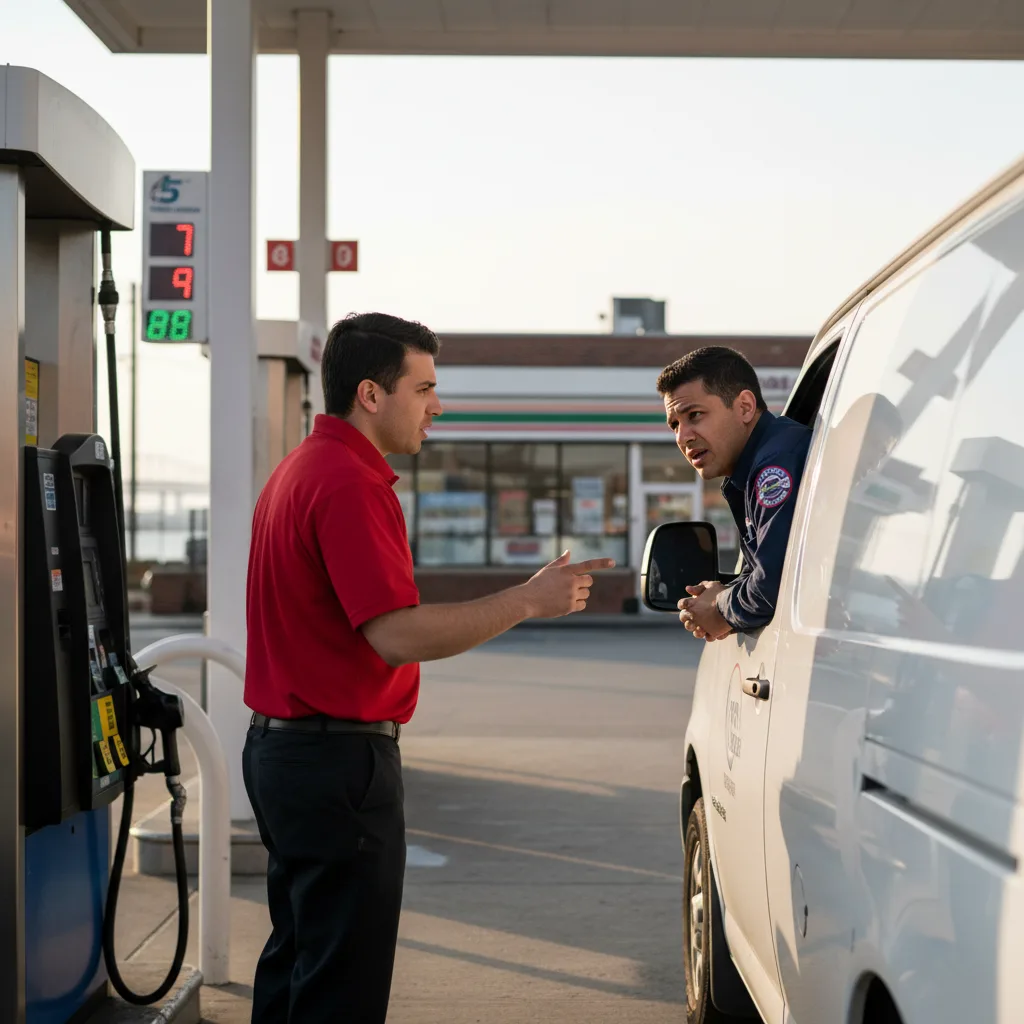
Cross Bay Boulevard Residents Anxious Over Strait of Hormuz Standoff
Cross Bay Boulevard residents are anxious as Iran's Strait of Hormuz stance threatens gas prices and local economy, affecting daily commutes and costs.

Cross Bay Boulevard Residents Concerned Over Yemen Airstrikes Impact on Economy 2026
Queens residents on Cross Bay Boulevard are concerned about rising gas prices and supply issues after Saudi airstrikes hit Yemen's capital on October 3, 2026. This impacts the local economy.
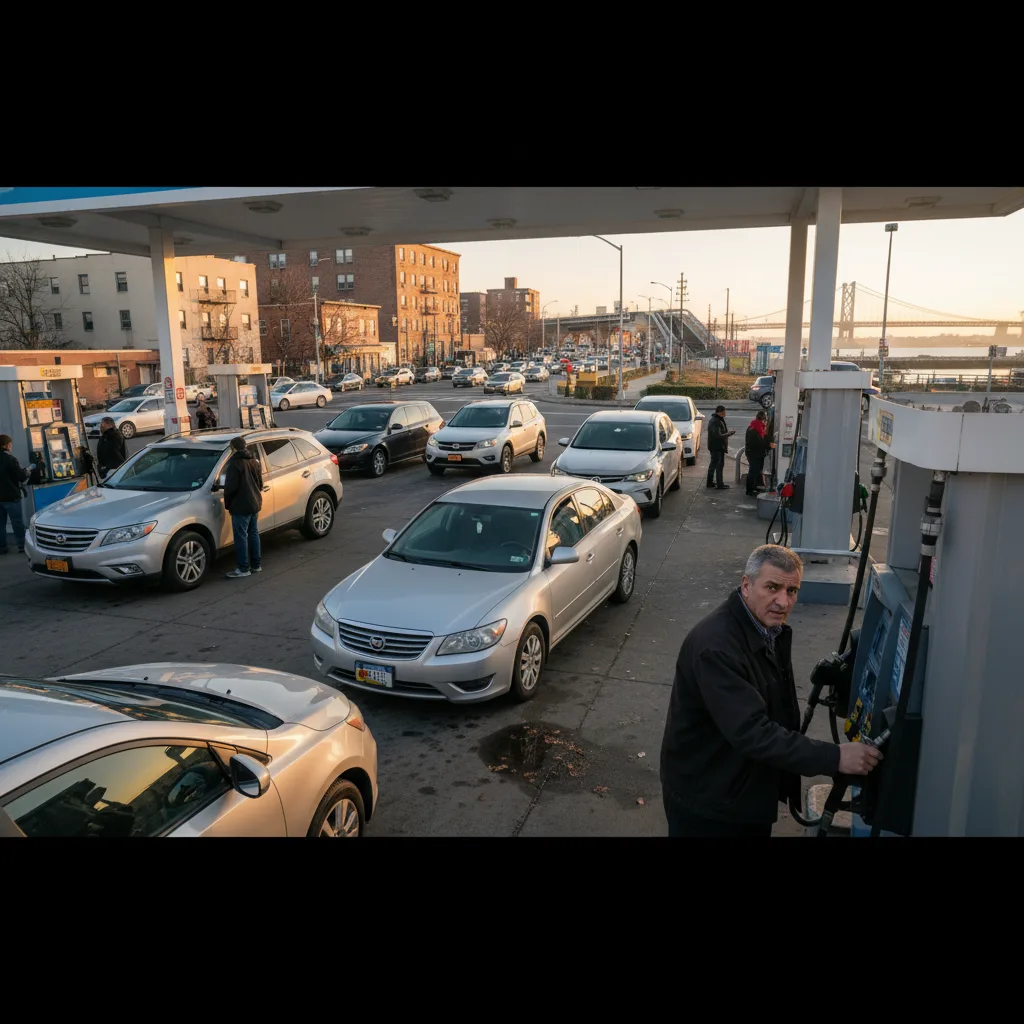
Cross Bay Residents Discuss Iran War Impact on Household Budgets
Cross Bay residents discuss the U.S.-Iran crisis impact on gas prices and household budgets, fearing a ripple effect on daily costs.

Your Essential Guide to Sandals Jamaica Montego Bay for Queens Travelers
Planning a luxurious escape? Our guide to Sandals Jamaica Montego Bay helps Queens residents plan the perfect all-inclusive, adults-only Caribbean getaway.
Your Guide to Exploring Jamaica Excursions from Montego Bay for Queens Travelers
Discover the best Jamaica excursions from Montego Bay for Queens residents, including top attractions, transportation tips, and what to pack for your adventure.