


Tanzania's Shared Bus Initiative Resonates with Cross Bay Boulevard Commuters

NEW YORK — Facing persistent MTA delays and rising fares, Queens residents along Cross Bay Boulevard are taking note of a new directive from Tanzania: a nationwide mandate for shared bus systems to combat soaring fuel prices. This innovative approach by the Tanzanian leader to reduce consumption and lower travel costs has sparked significant discussion at bus stops and local community centers across Howard Beach and Broad Channel. Commuters here are seeking similar cost-saving and efficiency-boosting solutions.
The directive, enacted by Tanzania’s President Samia Suluhu Hassan on March 10, 2026, aims to alleviate the burden of global energy volatility on African nations. While continents apart, the principles behind the initiative resonate deeply with New Yorkers grappling with an average monthly MTA MetroCard cost of over $127 and increasingly unreliable service. Local shop owners on Cross Bay Boulevard are even distributing flyers about carpool apps inspired by the idea. For more on this global development, see ABC News' report.
Tackling High Fares and Delays
Queens commuters, many of whom rely on bus routes like the Q53 or Q21 that traverse Cross Bay Boulevard from Jamaica to Broad Channel, frequently express frustration over the cost and efficiency of public transport. The average commute time from Broad Channel to Midtown Manhattan can easily exceed 90 minutes during peak hours, a figure exacerbated by delays. Tanzania's move offers a potential alternative model for cost reduction and system optimization.
"You get on the bus, and it's already running five minutes late, and then the fare just keeps going up," lamented Sandra Perez, 45, a daily commuter from Broad Channel to her job in Jamaica. "If Tanzania can figure out a way to make buses cheaper and more efficient, why can't the MTA look at something similar?" Her sentiment is echoed by many at bus stops along the boulevard during morning rush hour. The struggle for affordable, reliable transit is real.
The Tanzanian Model: A Closer Look
President Hassan's directive emphasizes designated routes where multiple private and public buses coordinate their schedules and share passenger loads, particularly in less-trafficked areas or during off-peak hours. This system reduces the number of vehicles on the road, cuts down on fuel consumption, and optimizes existing infrastructure. It also aims to decrease overall operational costs for providers, potentially leading to lower fares for passengers. Tanzania's model focuses on resource efficiency and shared responsibility.
This approach aligns with growing global conversations on innovative, low-cost climate and cost-of-living solutions in developing economies. It prioritizes practical, community-oriented solutions over heavy infrastructure investments. The simplicity and effectiveness of the concept have caught the eye of Queens residents struggling with similar issues. Many are eager to see if it could be adapted for a dense urban environment like New York City.
Local Inspiration for Carpooling and Ride-Sharing
The idea of shared transport has inspired local entrepreneurs and community groups to promote existing carpooling and ride-sharing apps among residents. Local Tanzanian shop owners along Cross Bay Boulevard have taken the initiative to hand out flyers promoting carpool apps, encouraging neighbors to connect for shared rides, particularly for grocery runs or trips to distant appointments. They see it as a tangible way to save money and reduce traffic.
Seniors at the Howard Beach Senior Center have also debated adopting shared rides to cut costs for their weekly shopping trips to Gateway Center. "It's a smart move for us too," said 78-year-old Frank Rizzo, a long-time Howard Beach resident, to his peers. "If we can get four people in a car instead of four separate Ubers, that's real savings." These local discussions highlight a growing desire for practical, immediate solutions to transport costs. The conversation extends beyond buses to all forms of shared mobility.
Challenges for NYC Implementation
While the concept of shared bus systems holds appeal, implementing a similar model in New York City presents unique challenges. The MTA, a vast public authority, operates on a different scale and regulatory framework than smaller, more localized systems. Issues such as union contracts, existing infrastructure, and the sheer volume of daily commuters would need extensive consideration. Any significant overhaul would require a multi-agency approach, including the Department of Transportation and the MTA itself.
"It's an interesting idea, but our transit system is incredibly complex," commented Jessica Ramirez, a transportation policy analyst at the Citizens Budget Commission. "Any shared-ride pilot program would need to be carefully designed, perhaps for specific routes or off-peak hours, to truly assess its feasibility here." She suggested that a direct replication of the Tanzanian model might be difficult, but adapting its core principles could yield benefits. For insights on NYC transit projects, refer to the MTA's official website.
FAQ: Tanzania's Shared Bus System and Queens
What is Tanzania’s shared bus initiative? Tanzania's President Samia Suluhu Hassan has mandated nationwide shared bus systems to reduce fuel consumption and combat rising transportation costs. This involves coordinating multiple buses on specific routes to share passenger loads and optimize efficiency, particularly in less dense areas or during off-peak times.
Why are Cross Bay Boulevard commuters interested in this model? Commuters in Queens, especially those on routes traversing Cross Bay Boulevard, face high MTA fares and frequent delays. Tanzania's model offers a potential solution for reducing travel costs and improving efficiency, making it an attractive concept for local residents seeking relief from current transit challenges.
How are local Queens residents already embracing shared transport ideas? Inspired by the Tanzanian initiative, local Tanzanian shop owners on Cross Bay Boulevard are promoting carpooling and ride-sharing apps. Seniors at the Howard Beach Senior Center are also discussing adopting shared rides for errands and shopping to cut personal transportation costs. These grassroots efforts show immediate interest.
What challenges would New York City face in adopting a similar system? Implementing a shared bus system in NYC would encounter significant hurdles due to the MTA's vast scale, existing union contracts, and complex regulatory environment. The high volume of daily commuters and established infrastructure would require extensive planning and adaptation, making direct replication difficult.
Could a modified version of Tanzania's system work in NYC? Transportation policy analysts suggest that while a direct replication might be unfeasible, adapting the core principles of the Tanzanian model could be explored. This might involve pilot programs for specific bus routes or during certain hours to assess how efficiency and cost savings could be achieved within New York City's unique transit landscape. Small-scale trials could offer valuable data.
Written by
Newstrix
Cross Bay News
Related Articles
More in Transportation & Traffic →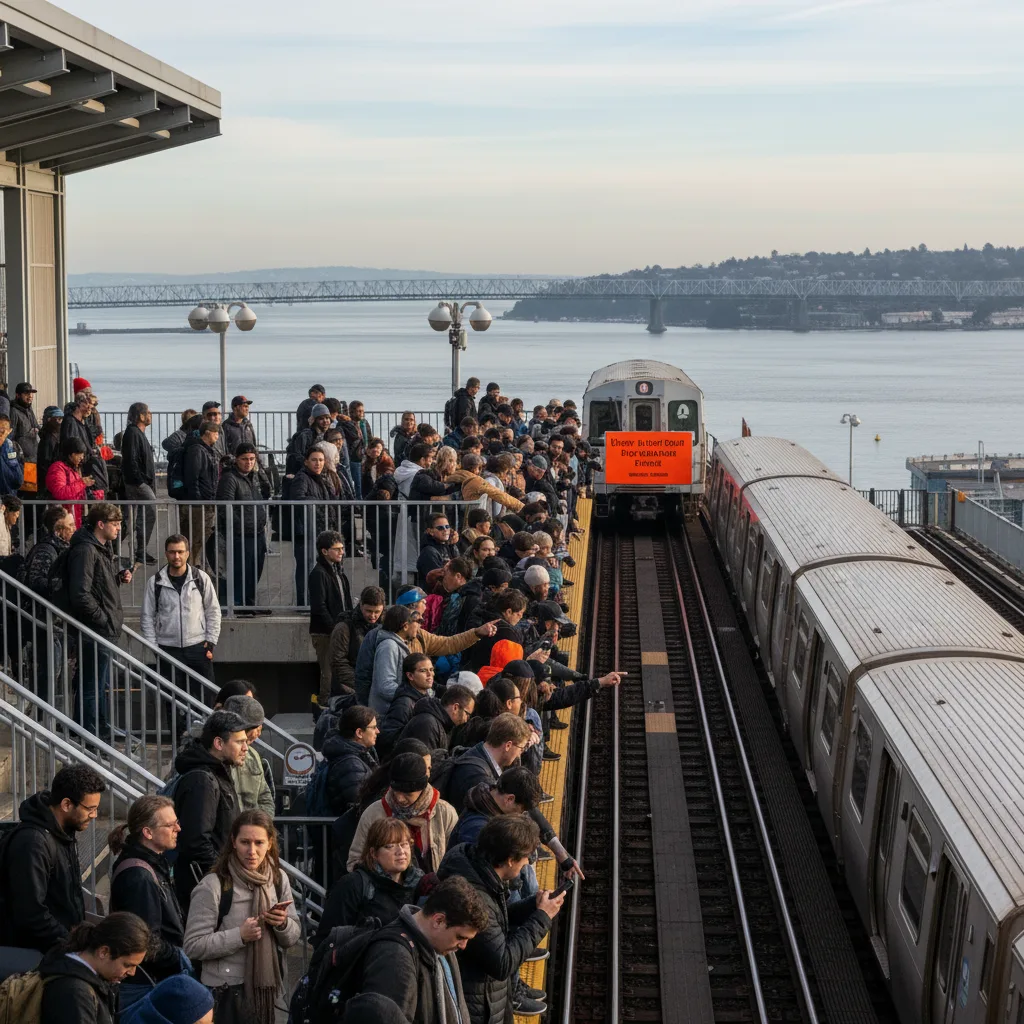
A Train Service Disrupted Between Broad Channel and Far Rockaway 2026
A Train service was rerouted and suspended between Broad Channel and Far Rockaway on Oct 6, 2026. Thousands of Queens commuters faced major delays.
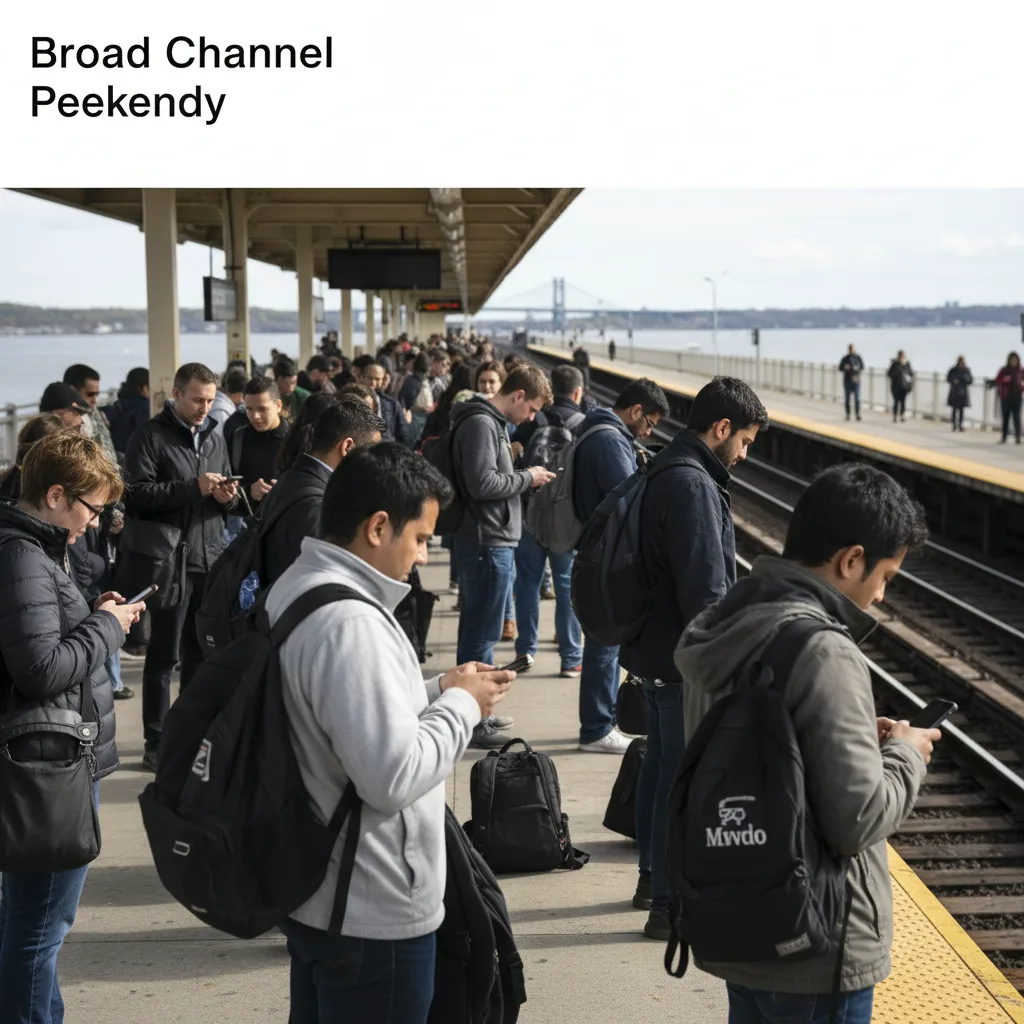
Queens Commuters Face Subway Service Disruptions This Weekend, October 2-5
Queens commuters face significant subway service disruptions this weekend (October 2-5, 2026) as MTA halts A train service between Broad Channel and Far Rockaway-Mott Av. Prepare for delays.
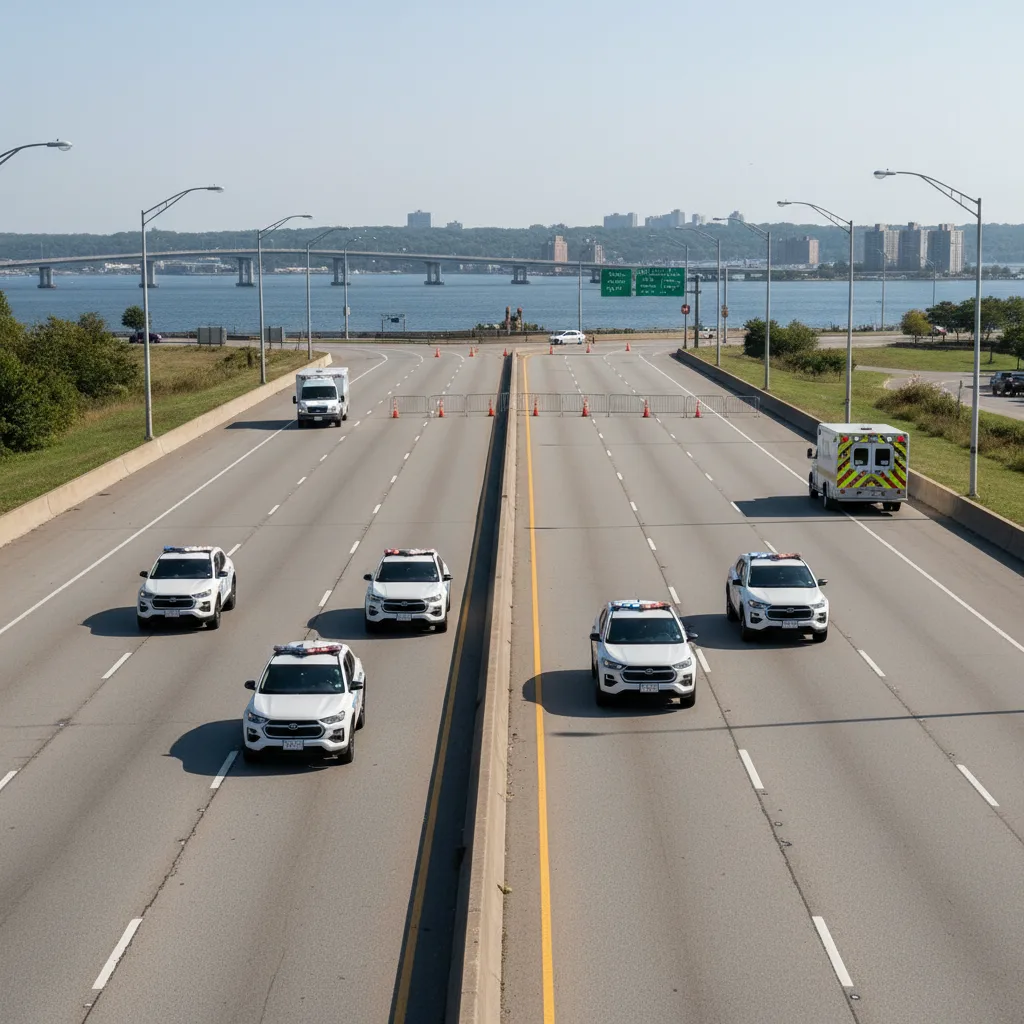
Cross Island Parkway Crash Injures Five, Closes Portion on Labor Day
A major crash on Cross Island Parkway in Queens injured five, including teens, and closed a portion of the highway this Labor Day Weekend.

Collision on Shore Parkway Eastbound Blocks Lane Near Crossbay Boulevard
A vehicle collision on Shore Parkway eastbound near Crossbay Boulevard in Howard Beach, Queens, has blocked one lane, causing significant delays.
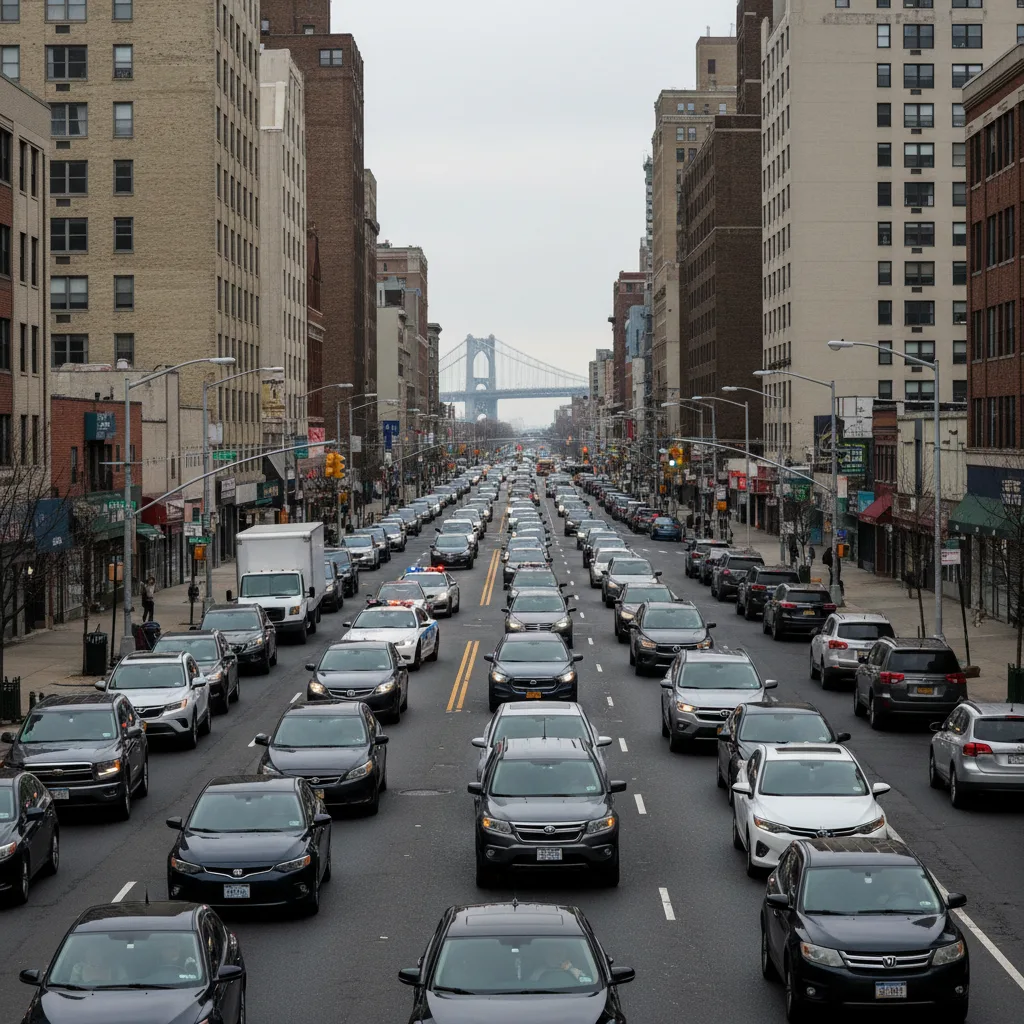
Cross Bay Boulevard Commuters Face Major Traffic Delays After Cyclist Fatality
Cross Bay Boulevard commuters faced traffic delays on October 3, 2026, as officials pushed for protected bike lanes and a stoplight after a fatal cyclist accident. This impacts Queens residents.

Your Essential Guide to Sandals Jamaica Montego Bay for Queens Travelers
Planning a luxurious escape? Our guide to Sandals Jamaica Montego Bay helps Queens residents plan the perfect all-inclusive, adults-only Caribbean getaway.