


President Trump Announces Naval Blockade on Hormuz Strait
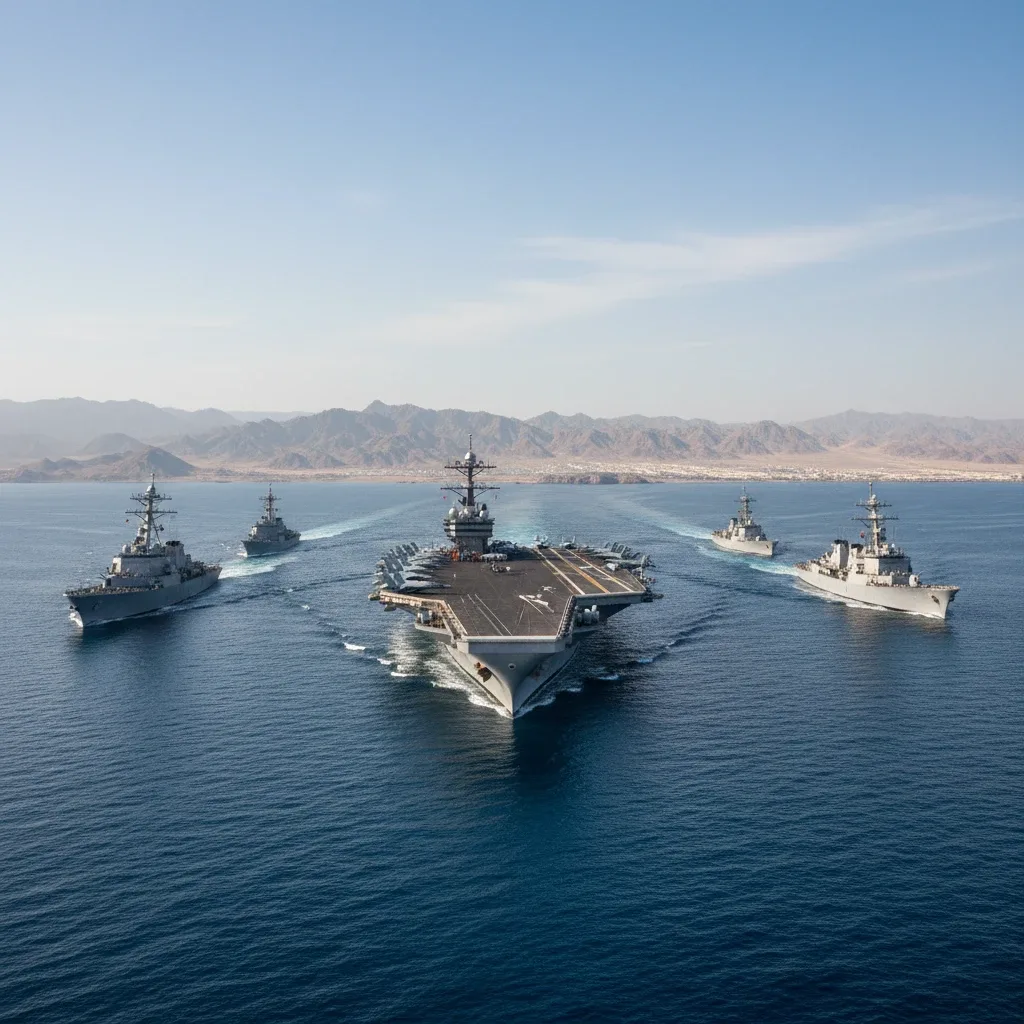
NEW YORK — President Donald Trump announced a naval blockade on the Strait of Hormuz, effective Friday, alongside a new 20% fee on transiting ships, according to the New York Times. This decision follows a fifth straight day of U.S. airstrikes on Iranian defense systems and missile storage, coupled with Iranian retaliation targeting military sites in Bahrain, Jordan, and Kuwait, CBS News reported.
Escalating Tensions in Persian Gulf Region
The U.S. military launched a fresh wave of daytime airstrikes targeting Iranian defense systems and missile storage on Greater Tunb island this week. These actions mark a significant escalation in the ongoing conflict, directly impacting global shipping lanes, as reported by the New York Times. The situation has prompted serious concerns among international observers about regional stability.
Simultaneously, the IRGC Navy declared the Strait of Hormuz closed to unauthorized vessels. They fired on two UAE tankers, killing two mariners, a move that directly precipitated President Trump's announcement. This closure further tightens the chokehold on a crucial global oil transit point, disrupting supply chains worldwide.
Cross Bay Boulevard Residents Voice Anxiety Over Strait Closure
Residents along Cross Bay Boulevard are expressing deep anxiety over the Strait closure, with community board meetings now filled with discussions about the geopolitical situation. Local Gulf Coast fishermen and marine supply shop owners on 89th Street worry about fuel price spikes and shipping delays, which they fear will severely impact their businesses. These concerns extend beyond the immediate economic fallout, touching upon broader fears about domestic security in Queens, New York, as seen in recent discussions regarding the Queens Commuters Face Disruption After Hormuz Strait Tanker Attack.
Daily conversations at Cross Bay Park benches now center on whether Trump's strategy will bring the conflict closer to U.S. shores. The perceived lack of direct information from federal officials about local preparedness measures fuels much of this apprehension. Many community members recall the city's robust response during previous international crises, hoping for similar assurances this time.
Impact on Global Oil Transit and Shipping
The Strait of Hormuz is a vital maritime chokepoint, with approximately 20% of the world's petroleum and other liquids passing through it daily. Any disruption in this strait has immediate and far-reaching consequences for global energy markets, according to economic analysts. The new 20% transit fee will significantly increase shipping costs, which will likely be passed on to consumers.
Analysts predict a substantial increase in global oil prices and a ripple effect across various industries dependent on stable supply chains. The decision to implement a naval blockade is seen as a drastic measure, underscoring the severity of the crisis. Energy experts are closely monitoring the situation for potential long-term disruptions.
Community Debates National Guard Pullback
Local residents at community board meetings are also asking if the National Guard pullout from Los Angeles signals a broader domestic security shift. This question links the international crisis with local safety perceptions, adding another layer of worry for families and business owners. The absence of federal reassurance creates a vacuum of uncertainty in areas like Cross Bay Boulevard.
"We're seeing people openly question our preparedness here in Queens," said Maria Sanchez, a long-time resident of Ozone Park who spoke at a recent community meeting. "When you hear about military action abroad and then local resources being redeployed elsewhere, it makes you wonder if our community is being prioritized." Sanchez expressed concern about potential local impacts from a global conflict.
Calls for Local Government Transparency on Preparedness
Local civic leaders are urging for greater transparency from city and state governments regarding emergency preparedness plans. Councilmember Joann Ariola's office confirmed that they are actively engaging with the NYPD and emergency management agencies to get updates for their constituents. Clear communication channels are vital to alleviate public fears and ensure residents feel informed and protected.
Cross Bay News has learned that a special public forum is being organized for next week at the Howard Beach Library to address these concerns directly. Representatives from the NYC Office of Emergency Management and the NYPD's 106th Precinct are expected to attend. Residents hope to gain clarity on local security measures and economic forecasts.
Frequently Asked Questions
How will the naval blockade affect daily life for residents of Queens, New York? The naval blockade on the Strait of Hormuz is expected to primarily impact daily life through potential increases in gas prices and the cost of imported goods, according to economic forecasts. Residents along Cross Bay Boulevard may notice these effects first at the pump and on supermarket shelves. The uncertainty could also lead to discussions about broader geopolitical stability in local community settings.
What steps can local businesses take to prepare for potential economic fallout? Small businesses along Cross Bay Boulevard, especially those reliant on international supply chains or those facing rising fuel costs, should review their inventory and pricing strategies. Consulting with local business development organizations, such as the Queens Chamber of Commerce, can provide resources and guidance on adapting to fluctuating market conditions. Exploring local sourcing alternatives might also offer some protection against global shipping disruptions.
Will there be increased security presence in the Cross Bay Boulevard area due to global tensions? The NYPD's 106th Precinct, which covers parts of Cross Bay Boulevard, typically adjusts patrols based on current threat assessments and community needs. While no specific increase has been announced directly linked to the Strait of Hormuz crisis, residents can expect local law enforcement to remain vigilant. Community leaders are advocating for clear communication from federal and local authorities about any enhanced security measures.
Written by
Newstrix
Cross Bay News
Related Articles
More in Government & Politics →
DA Katz Urges Parole Board to Keep Eddie Byrne Killer Behind Bars 2026
Queens DA Melinda Katz urges the state parole board to keep the killer of rookie cop Eddie Byrne behind bars for his 1988 assassination in South Jamaica. Justice remains a priority.
Brazil's Presidential Election Draws Concern from Queens Latin American Community
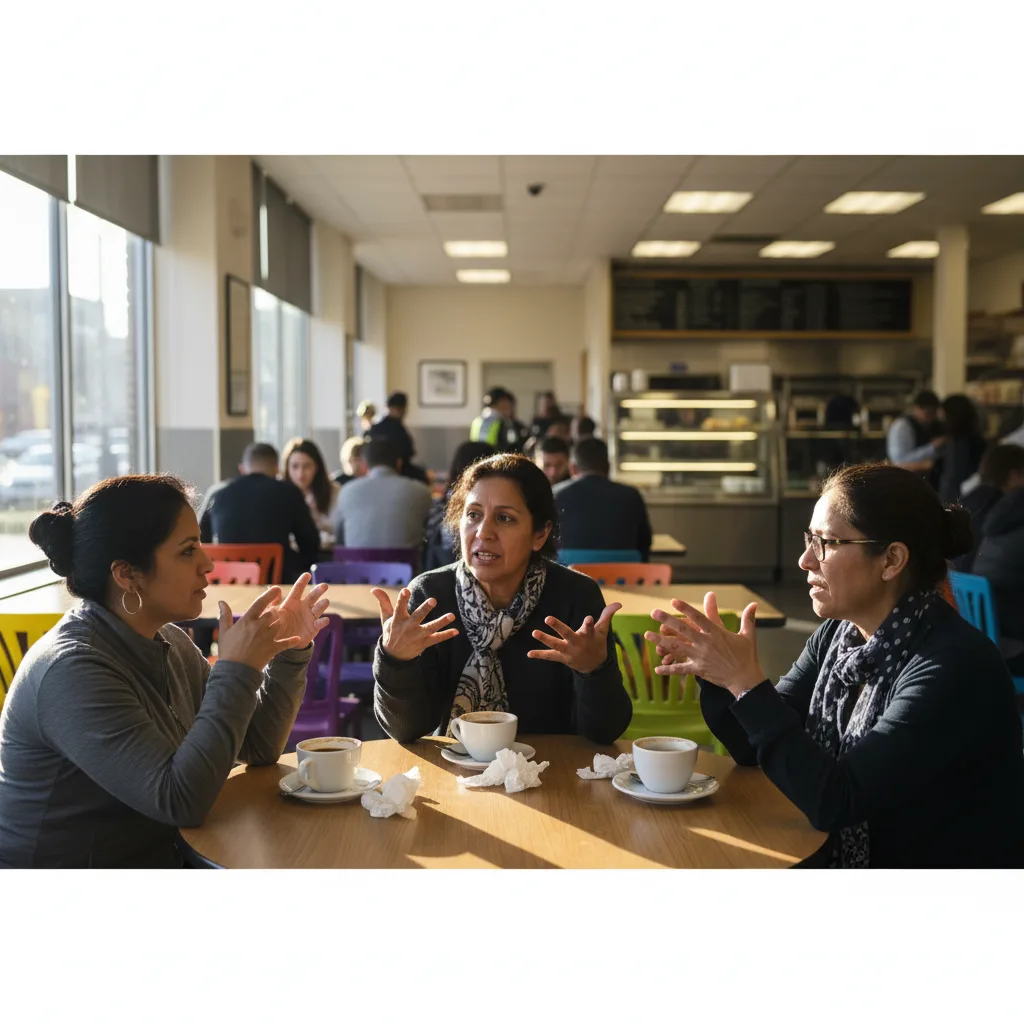
Brazil's polarized presidential election deeply concerns Queens' Latin American community, debating its impact on family abroad and regional stability.
Your Essential Guide to Sandals Jamaica Montego Bay for Queens Travelers
Planning a luxurious escape? Our guide to Sandals Jamaica Montego Bay helps Queens residents plan the perfect all-inclusive, adults-only Caribbean getaway.
Your Guide to Exploring Jamaica Excursions from Montego Bay for Queens Travelers
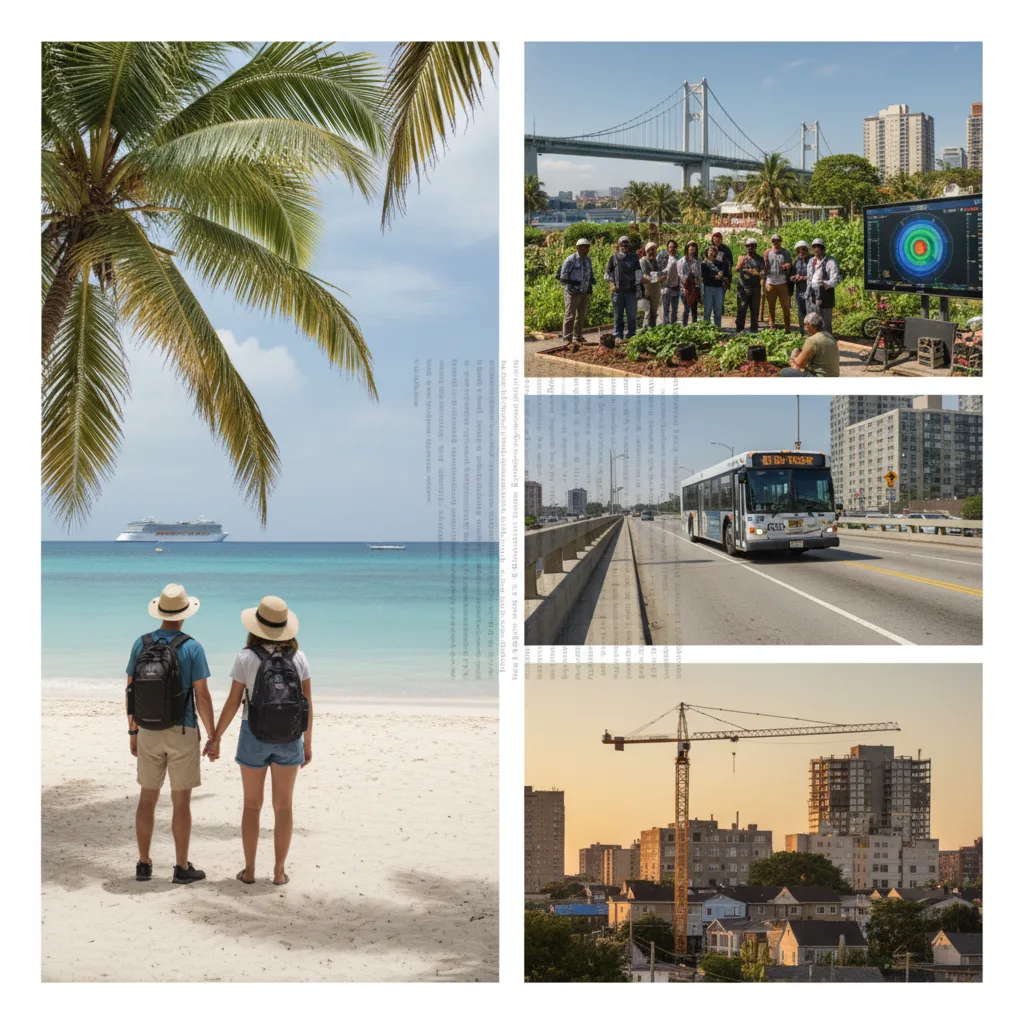
Discover the best Jamaica excursions from Montego Bay for Queens residents, including top attractions, transportation tips, and what to pack for your adventure.
A Local's Guide to Montego Bay, Jamaica Beach for Your Next Getaway
Planning a tropical escape from Queens? Explore this guide to Montego Bay, Jamaica beach destinations, essential tips, and activities for your 2026 getaway.
Queens Events Calendar Features Diverse Activities October 8, 2026
Queens Events Calendar for October 8, 2026, features diverse activities, including community care discussions and local gatherings. Residents can find opportunities to engage with local culture.