


Trump Considers War Resolution, Hormuz Closure Raises Queens Fears

NEW YORK — Amid ongoing geopolitical tensions, former President Trump is reportedly considering strategies to resolve the Middle East conflict without reopening the Strait of Hormuz. This approach could perpetuate high oil prices and escalate inflation risks globally, directly affecting Queens residents along Cross Bay Boulevard.
Regional violence persists with Iranian strikes on energy sites and expanding Israeli operations. The uncertainty surrounding future energy access and commodity demand creates a volatile economic environment that permeates local economies.
Fuel Costs Remain High, Commuter Worries Mount
Transit workers in Queens, many of whom live near Cross Bay Boulevard, are expressing significant fears about enduring high fuel costs if the Strait of Hormuz remains closed. The continuous strain on their budgets is becoming increasingly unsustainable.
One worker at a J train platform candidly stated, “End it quick or my overtime pay vanishes in gas.” This sentiment reflects widespread anxiety among essential workers whose livelihoods depend on affordable transportation.
Inflation Impacts Groceries and Local Spending
Small business owners in the strip malls along Cross Bay Boulevard are engaging in informal discussions over coffee about how inflation is impacting grocery prices. These rising costs directly affect their employees' purchasing power and overall consumer spending in the community.
The increasing cost of living is a tangible concern for families across Queens, who are seeing their budgets stretched thin by the ripple effects of global instability. This translates to difficult choices for many households.
Community Board Explores Solar Energy Incentives
A community board meeting at the Veterans of Foreign Wars (VFW) hall saw residents pushing for local solar incentives. This initiative aims to help alleviate the energy crunch and reduce reliance on volatile fossil fuel markets for Cross Bay Boulevard residents.
Exploring renewable energy solutions offers a proactive approach to mitigating the economic pressures caused by international conflicts. Local leaders are seeking sustainable ways to bolster community resilience against future energy shocks.
Global Demand for Commodities Faces Uncertainty
Beyond oil, the ongoing geopolitical situation introduces uncertainties in global demand for other key commodities, such as iron ore. Fluctuations in these markets can affect industries worldwide, with potential downstream impacts on local businesses and employment.
Supply chain vulnerabilities, already strained by recent global events, are further exposed. This complex interplay of factors contributes to a precarious economic outlook for many sectors.
Diplomatic Quandaries and Economic Repercussions
The dilemma of resolving the conflict while potentially maintaining a closed Strait of Hormuz presents a significant diplomatic challenge. Such a scenario suggests a restructuring of global energy flows, with long-term economic repercussions.
Analysts are closely watching for any official statements or policy shifts that could indicate a clear path forward. Dow Jones reported on Trump's considerations regarding Hormuz, highlighting the economic stakes involved.
Frequently Asked Questions About Hormuz Closure and Local Impact
Why would keeping the Strait of Hormuz closed be a concern for Queens? A continued closure means sustained high oil prices, which directly leads to expensive gas for commuters and higher costs for goods due to inflation, impacting budgets of Cross Bay Boulevard residents. How are local transit workers specifically affected by high fuel costs? Transit workers rely heavily on transportation for their jobs and commutes. High fuel costs can significantly erode their take-home pay, with some fearing their overtime earnings will be consumed by gas expenses. What is being done locally to counter the energy crunch? Residents at a VFW community board meeting are advocating for local solar incentives to encourage renewable energy adoption. This seeks to reduce dependence on fossil fuels and mitigate the impact of price hikes. How does the closure affect other local businesses? Small businesses face increased operational costs due to higher fuel prices for deliveries and utilities. Inflation also reduces consumer purchasing power, potentially impacting sales and overall economic activity in Cross Bay Boulevard strip malls. What are the broader economic implications for Queens if Hormuz remains closed? Beyond fuel, there's concern about general inflation hitting groceries and other essentials, potentially leading to a broader economic slowdown. The instability affects supply chains and commodity prices, adding to local economic uncertainty.
Written by
Newstrix
Cross Bay News
Related Articles
More in Local Economy & Business →
Queens Residents Face Soaring Rent Hikes, Housing Scarcity Along Cross Bay
Queens residents, especially along Cross Bay Boulevard, face severe rent hikes and housing scarcity, mirroring international housing protests. Local families are struggling.
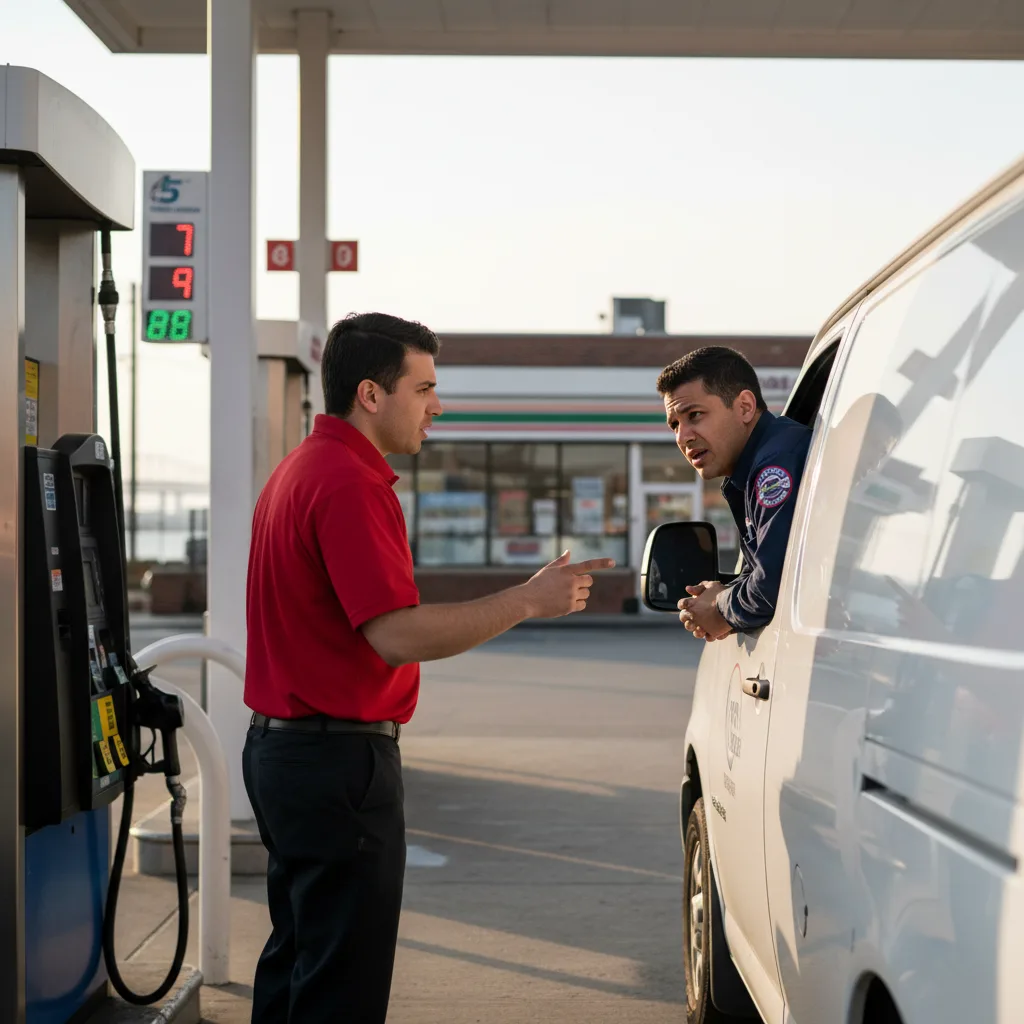
Cross Bay Boulevard Residents Anxious Over Strait of Hormuz Standoff
Cross Bay Boulevard residents are anxious as Iran's Strait of Hormuz stance threatens gas prices and local economy, affecting daily commutes and costs.
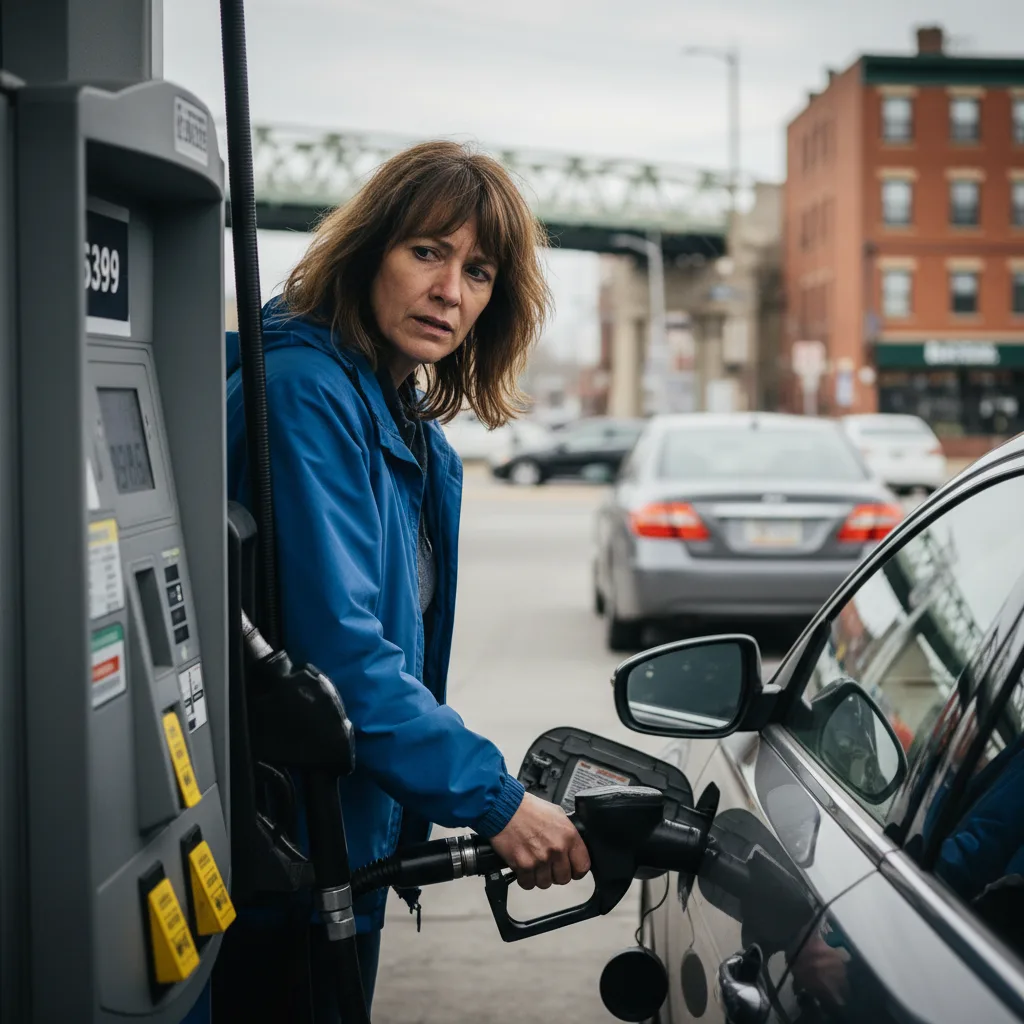
Cross Bay Boulevard Residents Concerned Over Yemen Airstrikes Impact on Economy 2026
Queens residents on Cross Bay Boulevard are concerned about rising gas prices and supply issues after Saudi airstrikes hit Yemen's capital on October 3, 2026. This impacts the local economy.
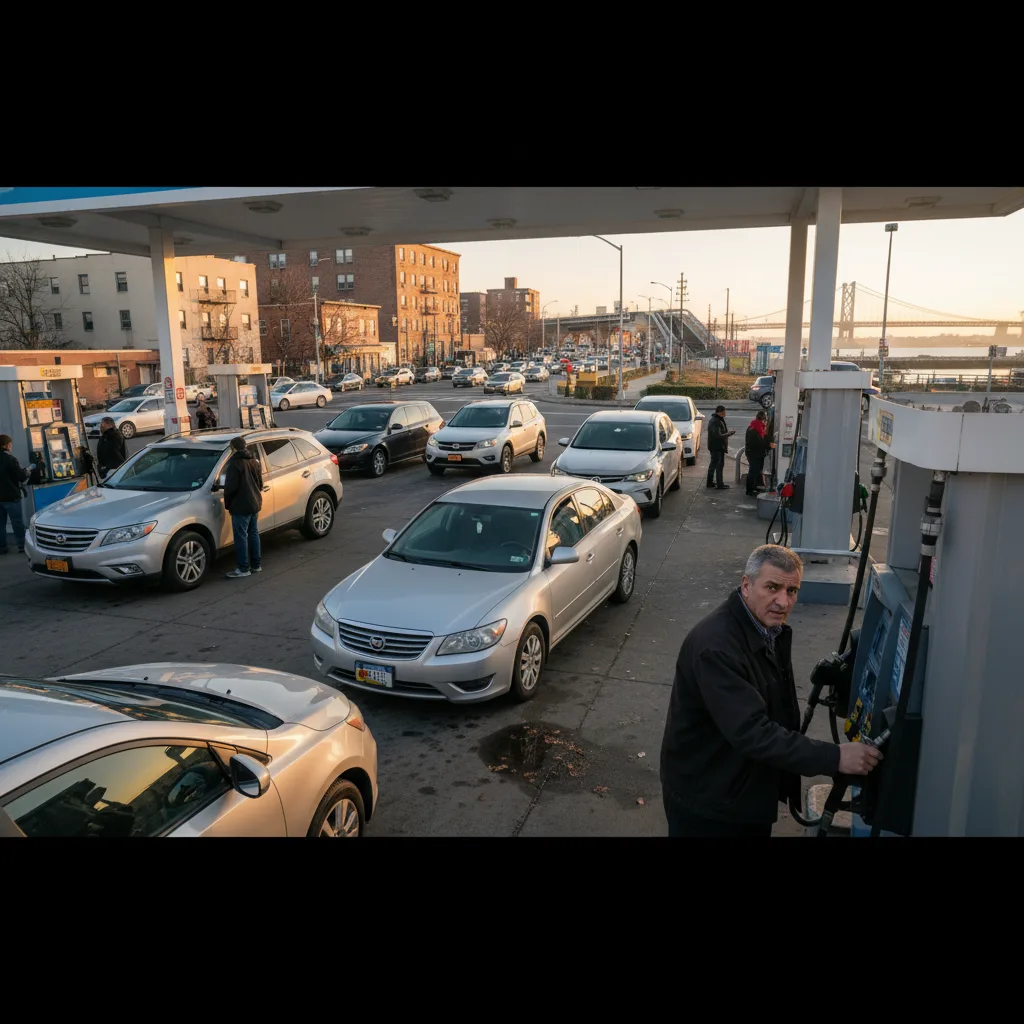
Cross Bay Residents Discuss Iran War Impact on Household Budgets
Cross Bay residents discuss the U.S.-Iran crisis impact on gas prices and household budgets, fearing a ripple effect on daily costs.

Your Essential Guide to Sandals Jamaica Montego Bay for Queens Travelers
Planning a luxurious escape? Our guide to Sandals Jamaica Montego Bay helps Queens residents plan the perfect all-inclusive, adults-only Caribbean getaway.
Your Guide to Exploring Jamaica Excursions from Montego Bay for Queens Travelers
Discover the best Jamaica excursions from Montego Bay for Queens residents, including top attractions, transportation tips, and what to pack for your adventure.