


Trump Hails China Trade Deals, Queens Businesses Eye Cross Bay Boulevard Impact

NEW YORK — President Trump wrapped up his Beijing summit with Chinese President Xi Jinping, touting “fantastic trade deals” between the two nations. While the leaders presented the talks as a win for both sides, the shifting landscape of U.S.-China trade relations has Queens small business owners and delivery workers along Cross Bay Boulevard paying close attention to potential local impacts.
The high-stakes summit, a major global political and economic story, concluded with both sides signaling progress on various trade fronts. Any significant shift in trade policies can ripple through global markets, supply chains, and consumer prices. This is a recurring theme, especially for a borough as diverse and commerce-driven as Queens.
Local Businesses Seek Stability Amid Global Trade Shifts
For many small business owners on Cross Bay Boulevard, from import-export shops to local groceries and electronics retailers, stability in trade relations is paramount. They worry that sudden changes in tariffs or shipping regulations can lead to unpredictable inventory costs, supply delays, and ultimately, higher prices for their customers.
“Every time there’s talk of new tariffs, I worry about my next shipment of goods from China,” explained John Chen, owner of Chen’s Electronics on Cross Bay Boulevard near 158th Street. “A small increase in import costs might not seem like much globally, but it cuts directly into my already thin profit margins.” His frustration is a common refrain among independent retailers.
Delivery Workers Monitor Fuel and Logistics Costs
Delivery workers and logistics companies operating in the Queens area also closely monitor global trade developments, particularly how they affect fuel costs and shipping logistics. Increased trade tensions often correlate with oil price volatility, directly impacting their operational expenses.
“I fill up my van multiple times a week, driving all over Queens,” said Maria Rodriguez, a package delivery driver based in Ozone Park. “If fuel prices jump because of some trade deal, that’s less money in my pocket. We just want things to stay predictable.” Her daily livelihood is directly tied to stable economic conditions.
Consumer Prices and Local Market Adjustments
Changes in international trade agreements frequently translate to adjustments in consumer prices at the local level. Queens residents, accustomed to finding a wide variety of goods from around the world in their local shops, could see price fluctuations on everything from clothing and electronics to household items and even some food products.
Economists suggest that if tariffs increase, the cost is largely borne by the consumer. “While politicians talk about 'winning' trade wars, consumers usually feel the pinch,” noted Dr. Ethan Davies, an economics professor at Queens College. “Small businesses, like those on Cross Bay Boulevard, then have the difficult choice of absorbing costs or raising prices.” This dynamic directly impacts household budgets.
Policy Implications for New York’s Economy
New York City’s economy, with its significant port activity and international trade volume, is particularly sensitive to global trade policies. Local leaders are watching the outcomes of these summits closely, understanding that trade agreements can influence jobs, investment, and the overall economic health of the five boroughs.
The Mayor’s Office of International Affairs issued a statement highlighting New York’s commitment to fair trade and urging federal policymakers to consider the unique needs of diverse urban economies. They emphasize the need for predictable trade policies that support small businesses and working families. For more on the summit, refer to CBS News’s global coverage.
Looking Ahead: Business Adaptations and Consumer Choices
As the details of the U.S.-China trade deals emerge, businesses along Cross Bay Boulevard will need to adapt. This could involve exploring new suppliers, adjusting inventory management, or finding efficiencies in their operations. Consumers, in turn, may need to be more mindful of price changes and seek out local alternatives.
Maintaining open lines of communication between local businesses, community organizations, and elected officials will be vital to navigate these economic shifts. The hope is that any trade agreements ultimately foster an environment of stability that benefits the working families and entrepreneurs who make Cross Bay Boulevard a vibrant commercial corridor. You can find more discussions on local business impacts at our Queens business spotlights archive 2026.
Frequently Asked Questions About US-China Trade Impact on Queens
What was the outcome of the US-China trade summit? President Trump and Chinese President Xi Jinping concluded their Beijing summit, with both sides framing the talks as a win and announcing "fantastic trade deals." The specifics of these deals are expected to be detailed in the coming weeks.
How could these trade deals affect businesses on Cross Bay Boulevard? Small business owners, especially those dealing with imports, are concerned about potential impacts on inventory costs, shipping delays, and the overall price of goods. Delivery workers also worry about fluctuating fuel costs, which affect their operational expenses.
What are the main concerns for Queens consumers? Queens consumers could see changes in prices for a wide range of goods, from electronics and clothing to everyday household items, depending on how new tariffs or trade regulations are implemented. These changes could impact household budgets.
Why is stability in trade relations important for local businesses? Businesses thrive on predictability. Unstable trade relations can lead to volatile pricing for imported goods, uncertain supply chains, and difficulty in planning inventory and sales. This makes it challenging for small businesses to maintain profit margins and competitive pricing.
What is New York City’s stance on these trade developments? New York City's leadership, including the Mayor’s Office of International Affairs, monitors global trade outcomes closely. They advocate for fair trade policies that support the diverse urban economy, emphasizing the need for stability that benefits small businesses and working families.
Written by
Newstrix
Cross Bay News
Related Articles
More in Local Economy & Business →Queens Residents Face Soaring Rent Hikes, Housing Scarcity Along Cross Bay
Queens residents, especially along Cross Bay Boulevard, face severe rent hikes and housing scarcity, mirroring international housing protests. Local families are struggling.

Cross Bay Boulevard Residents Anxious Over Strait of Hormuz Standoff
Cross Bay Boulevard residents are anxious as Iran's Strait of Hormuz stance threatens gas prices and local economy, affecting daily commutes and costs.

Cross Bay Boulevard Residents Concerned Over Yemen Airstrikes Impact on Economy 2026
Queens residents on Cross Bay Boulevard are concerned about rising gas prices and supply issues after Saudi airstrikes hit Yemen's capital on October 3, 2026. This impacts the local economy.
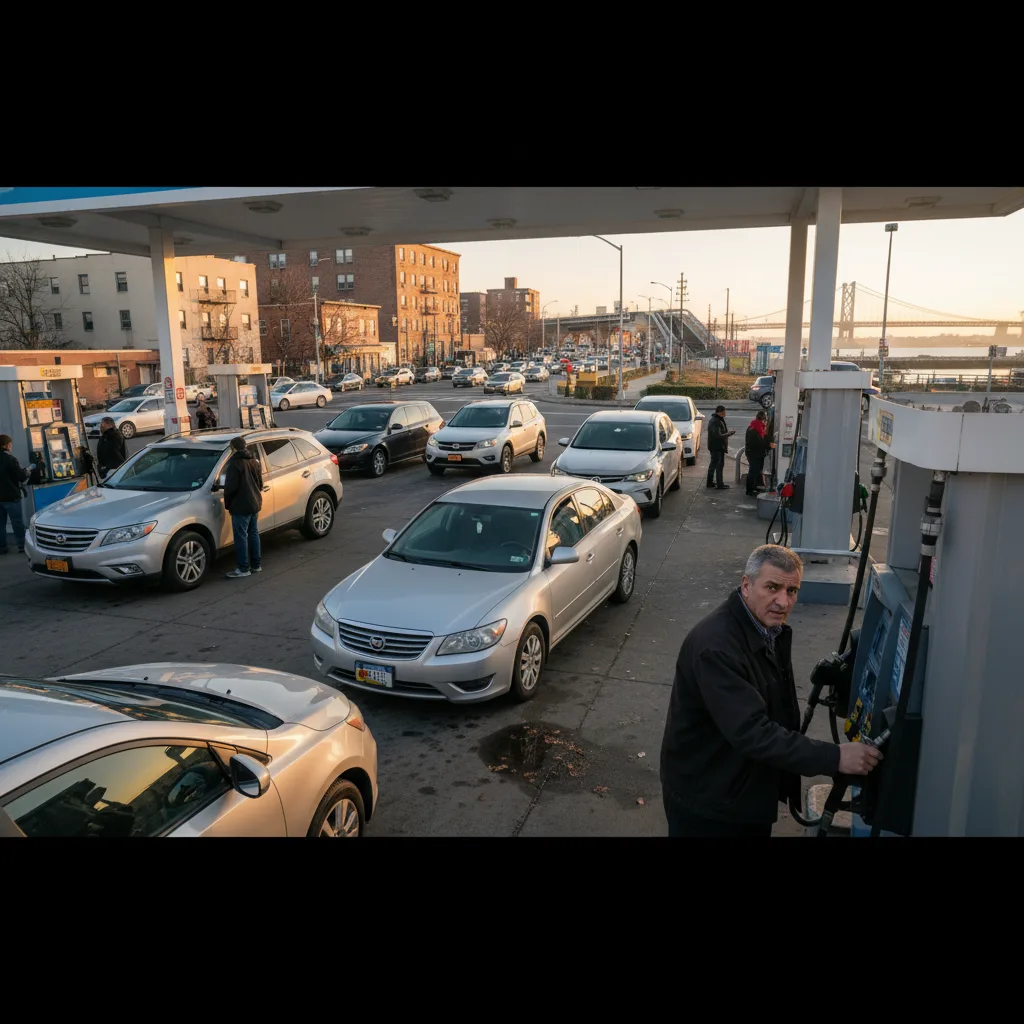
Cross Bay Residents Discuss Iran War Impact on Household Budgets
Cross Bay residents discuss the U.S.-Iran crisis impact on gas prices and household budgets, fearing a ripple effect on daily costs.

Your Essential Guide to Sandals Jamaica Montego Bay for Queens Travelers
Planning a luxurious escape? Our guide to Sandals Jamaica Montego Bay helps Queens residents plan the perfect all-inclusive, adults-only Caribbean getaway.
Your Guide to Exploring Jamaica Excursions from Montego Bay for Queens Travelers
Discover the best Jamaica excursions from Montego Bay for Queens residents, including top attractions, transportation tips, and what to pack for your adventure.