


Trump's South Korea Troop Withdrawal Scrutinized by Experts
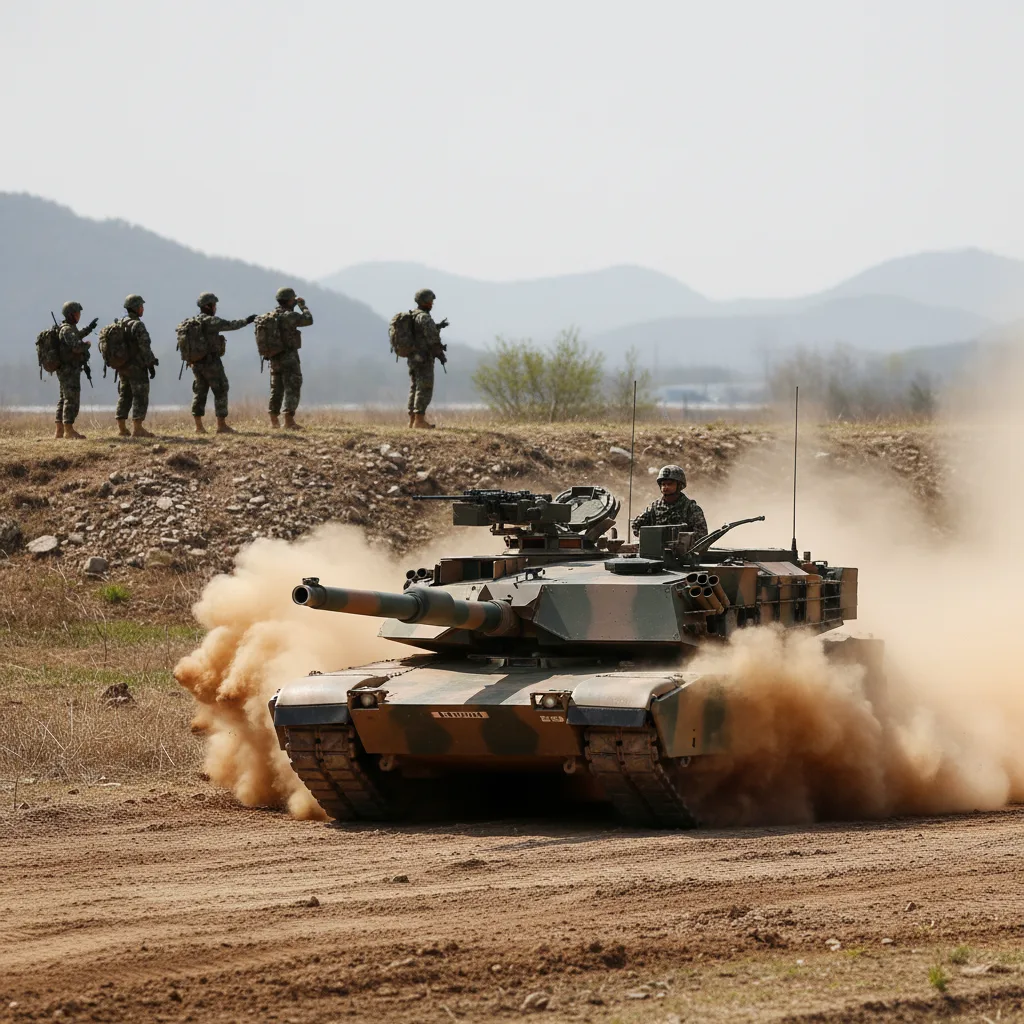
NEW YORK — President Trump’s recent decision to curtail joint military exercises with South Korea is drawing scrutiny from allies and security experts, raising significant questions about U.S. commitments in Asia and the stability of deterrence on the Korean peninsula, according to Cross Bay Current. This strategic shift could have far-reaching implications for regional security dynamics.
U.S. Military Exercises Scaled Back
President Trump's administration announced a reduction in joint military exercises with South Korea this week, a move that has immediately sparked debate among international relations specialists and allied nations. The decision follows a broader push for diplomatic engagement with North Korea, but critics worry about the potential weakening of a long-standing alliance. The scaling back of these exercises represents a tangible change in U.S. defense posture in the region.
The exercises have long been a cornerstone of the U.S.-South Korea alliance, designed to maintain readiness and deter aggression from North Korea. The Cross Bay Current noted that the sudden curtailment raises concerns about Washington's reliability as a security partner, particularly for countries reliant on American protection against regional threats. This kind of global development often captures the attention of residents, particularly those who follow national and world news.
Allies and Security Experts Raise Concerns
Numerous U.S. allies in Asia, including Japan and other regional partners, have privately and publicly expressed apprehension over President Trump's decision. Security experts widely view the joint exercises as vital for maintaining regional stability and projecting a credible deterrent against North Korea’s nuclear ambitions. The reduction could embolden adversaries or create a power vacuum.
Analysts from various think tanks have suggested that while diplomatic efforts are important, they should not come at the expense of military readiness and alliance commitments. There is a consensus among many foreign policy circles that a strong defense posture is a necessary complement to diplomacy, not an alternative. The curtailment introduces an element of uncertainty into the geopolitical equation.
Implications for U.S. Commitments in Asia
One of the most significant concerns emanating from this policy change is its impact on the perception of U.S. commitments in Asia. Historically, Washington has maintained a robust military presence and engaged in regular exercises to reassure allies and deter potential aggressors. This latest move could signal a shift, causing allies to re-evaluate their own security strategies.
Questions are now being asked about the future of U.S. military bases in South Korea and the broader Indo-Pacific region. A perceived reduction in commitment could prompt allies to seek alternative security arrangements or develop their own defense capabilities more rapidly. Such a realignment could destabilize the intricate balance of power that has characterized Asian security for decades.
Deterrence on the Korean Peninsula at Risk?
The primary concern among security analysts is the potential erosion of deterrence on the Korean peninsula. Joint military exercises serve as a clear message to North Korea about the consequences of aggression. By scaling them back, critics argue, the U.S. risks sending a mixed signal, potentially undermining the effectiveness of its deterrent strategy.
While proponents of the decision argue that it creates an opening for denuclearization talks, opponents contend that it grants North Korea a concession without a clear quid pro quo. The delicate balance between pressure and diplomacy is crucial, and any misstep could have severe repercussions for the region. Maintaining a strong deterrent force is considered paramount by many defense strategists.
Cross Bay Boulevard Residents Reflect on Global Events
Queens residents, including those along Cross Bay Boulevard, often follow such international developments closely, understanding their broader impact on global stability and national security. While not directly tied to local infrastructure like the Cross Bay Boulevard rezoning plan, these global events shape the national discourse and contribute to overall public sentiment. Discussions in local shops and community centers often touch on the implications of U.S. foreign policy.
The decision also highlights the ongoing debate within the U.S. about the role of military force versus diplomatic engagement in foreign policy. Residents are processing the news with a mix of opinions, from those who support de-escalation efforts to those who prioritize maintaining strong alliances. The complex nature of international relations continues to be a topic of interest and concern for local citizens.
Frequently Asked Questions
Why did President Trump decide to curtail military exercises with South Korea?
President Trump's decision to curtail joint military exercises with South Korea is believed to be part of a broader strategy to facilitate diplomatic engagement and denuclearization talks with North Korea. The administration aims to create a more conducive environment for negotiations by reducing perceived provocations.
How are U.S. allies reacting to this policy change?
U.S. allies in Asia, including countries like Japan, are expressing scrutiny and concern over President Trump's decision. They fear that scaling back military exercises could weaken the U.S. commitment to regional security and potentially destabilize deterrence against North Korea, prompting them to question their own defense strategies.
What does this mean for the stability of the Korean peninsula?
Security experts are concerned that the curtailment of military exercises could raise significant questions about the stability of deterrence on the Korean peninsula. There are fears it might embolden North Korea or signal a weakening of the U.S.-South Korea alliance, potentially leading to increased regional tensions.
Written by
Newstrix
Cross Bay News
Related Articles
More in Government & Politics →
DA Katz Urges Parole Board to Keep Eddie Byrne Killer Behind Bars 2026
Queens DA Melinda Katz urges the state parole board to keep the killer of rookie cop Eddie Byrne behind bars for his 1988 assassination in South Jamaica. Justice remains a priority.

Brazil's Presidential Election Draws Concern from Queens Latin American Community
Brazil's polarized presidential election deeply concerns Queens' Latin American community, debating its impact on family abroad and regional stability.

Your Essential Guide to Sandals Jamaica Montego Bay for Queens Travelers
Planning a luxurious escape? Our guide to Sandals Jamaica Montego Bay helps Queens residents plan the perfect all-inclusive, adults-only Caribbean getaway.

Your Guide to Exploring Jamaica Excursions from Montego Bay for Queens Travelers
Discover the best Jamaica excursions from Montego Bay for Queens residents, including top attractions, transportation tips, and what to pack for your adventure.

A Local's Guide to Montego Bay, Jamaica Beach for Your Next Getaway
Planning a tropical escape from Queens? Explore this guide to Montego Bay, Jamaica beach destinations, essential tips, and activities for your 2026 getaway.

Queens Events Calendar Features Diverse Activities October 8, 2026
Queens Events Calendar for October 8, 2026, features diverse activities, including community care discussions and local gatherings. Residents can find opportunities to engage with local culture.