


Understanding Jamaica Bay: A Comprehensive Guide for Queens Residents 2026
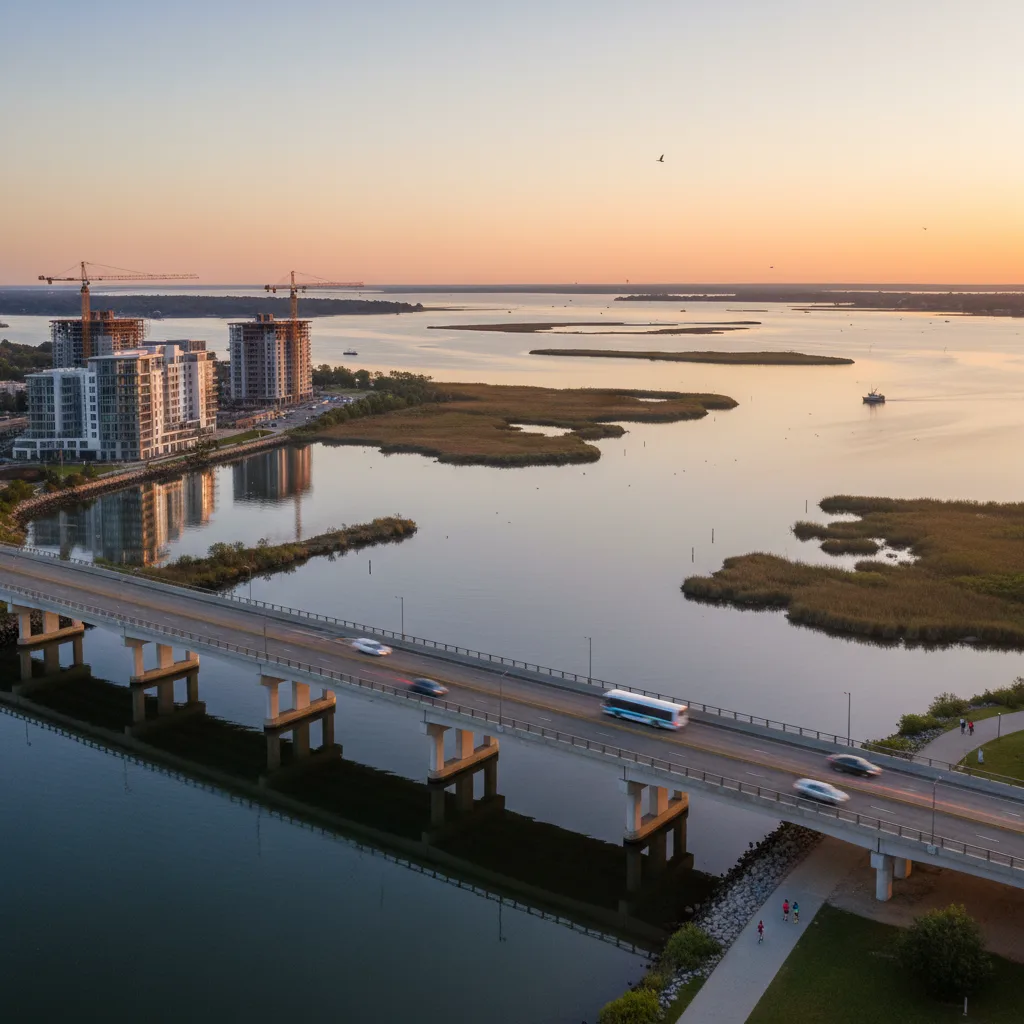
Jamaica Bay, a sprawling estuary bordering the neighborhoods of Ozone Park, Howard Beach, Broad Channel, and the Rockaways, is a vital natural resource and a cornerstone of the South Queens community. This guide offers essential insights into its ecological importance, recreational opportunities, and how local residents can engage with and protect this unique environment in 2026 and beyond.
What is Jamaica Bay and Why is it Important?
Jamaica Bay is a 25-square-mile body of water, predominantly shallow, with salt marshes, islands, and numerous channels. It's an integral part of the Gateway National Recreation Area and serves as a critical ecological hub within New York City. For residents of Ozone Park, Howard Beach, Broad Channel, and the Rockaways, Jamaica Bay is more than just a scenic backdrop; it's a living ecosystem that provides essential services. It acts as a natural buffer against storm surges, a crucial habitat for a vast array of wildlife, and a significant recreational area. The health of Jamaica Bay directly impacts the quality of life and environmental resilience of adjacent communities, particularly as climate change brings more intense weather events, as seen with past incidents like Hurricane Henri, which dumped significant rainfall on Howard Beach. NYC Department of Emergency Management Warns Cross Bay of Severe Storms has highlighted the importance of understanding and protecting our local waterways.
Exploring Recreational Opportunities at Jamaica Bay
Jamaica Bay offers a wealth of recreational activities for all ages, making it a perfect destination for local families and nature enthusiasts. From birdwatching to kayaking, there's something for everyone to connect with nature right in their backyard. The Jamaica Bay Wildlife Refuge, managed by the National Park Service, is a world-renowned bird sanctuary, attracting over 330 species of migratory and resident birds annually. Miles of trails are available for walking, jogging, and cycling, providing stunning views of the marshlands and the Manhattan skyline. Fishing and crabbing are popular activities, with designated areas accessible to the public. Additionally, several launch points exist for kayaking and paddleboarding, allowing for a unique perspective of the bay's diverse ecosystems. Always check for necessary permits or regulations before engaging in certain activities.
How to Participate in Jamaica Bay Conservation Efforts
Protecting Jamaica Bay is a community effort, and there are many ways residents can get involved in conservation. Local organizations frequently host volunteer clean-up days, marsh restoration projects, and educational workshops. These events provide hands-on opportunities to contribute to the bay's health, from removing litter to planting native species that stabilize the marshlands. Educating oneself and others about responsible waste disposal, reducing plastic use, and understanding the impact of pollutants on the ecosystem are crucial steps. Supporting local advocacy groups that champion environmental protection policies for Jamaica Bay also plays a significant role. The well-being of the bay is intrinsically linked to the actions of the communities around it, including those in Ozone Park and the Rockaways.
Navigating Transit and Access to Jamaica Bay
Accessing Jamaica Bay is relatively straightforward for residents of South Queens. Several MTA bus lines serve the periphery of the bay, connecting neighborhoods like Howard Beach and Broad Channel to key entry points and the Jamaica Bay Wildlife Refuge. The A train also provides access, with stations in proximity to various parts of the bay. For those driving, parking is available at popular locations such as the Wildlife Refuge Visitor Center. Cycling is another excellent option, with dedicated paths and scenic routes offering direct access to different areas of the bay. Planning your visit in advance and checking MTA schedules for 2026 can help ensure a smooth trip to enjoy this natural wonder.
Understanding the Ecological Challenges Facing Jamaica Bay
Despite its beauty and importance, Jamaica Bay faces several ecological challenges that require ongoing attention. Historical pollution, particularly from wastewater treatment plants, has impacted water quality, though significant strides have been made in recent decades. Habitat loss due to erosion and development, rising sea levels, and the presence of invasive species continue to threaten the bay's delicate balance. For instance, an incident involving a tanker overturning and spilling gasoline into Jamaica Bay waterways highlighted the persistent risks. Jamaica Bay Tanker Overturn Spills Gasoline, Threatens Waterways underscores the vulnerability of this vital ecosystem. Ongoing scientific research and monitoring are crucial to understanding these challenges and developing effective long-term solutions, often involving collaboration between government agencies, academic institutions, and community stakeholders.
Future Development and the Health of Jamaica Bay
The future health of Jamaica Bay is closely tied to ongoing development and infrastructure decisions in surrounding areas. Balancing urban growth with environmental protection is a constant challenge. Proposals for new housing, commercial spaces, or transportation improvements along the Cross Bay Boulevard corridor, for example, must consider their potential impact on the bay's ecosystem. Sustainable development practices, such as green infrastructure and improved stormwater management, are vital to minimize runoff and pollution. Community engagement in planning processes ensures that residents' voices are heard and that decisions prioritize the long-term well-being of Jamaica Bay and the communities it supports. A healthy Jamaica Bay contributes significantly to the overall vitality of Queens, offering both natural beauty and recreational value, and enhancing the broader appeal of living in the borough. Discover more about what Queens has to offer in A Guide to the Best Things to Do in Queens 2026.
Frequently Asked Questions
What kind of wildlife can I expect to see at Jamaica Bay in 2026?
Jamaica Bay is renowned for its diverse wildlife, especially birds. In 2026, visitors can expect to see hundreds of bird species, including egrets, herons, ospreys, and various migratory waterfowl. The bay also supports diverse fish populations, diamondback terrapins, and numerous invertebrate species crucial to the ecosystem.
Are there any specific rules for visiting the Jamaica Bay Wildlife Refuge?
Yes, the Jamaica Bay Wildlife Refuge has specific rules to protect its fragile ecosystem. These typically include staying on marked trails, refraining from disturbing wildlife or vegetation, and packing out all trash. Check the National Park Service website for the most up-to-date regulations for Jamaica Bay in 2026.
How does Jamaica Bay protect surrounding communities like Ozone Park?
Jamaica Bay acts as a natural buffer against storm surges and coastal flooding, particularly benefiting low-lying areas in Ozone Park, Howard Beach, and the Rockaways. Its extensive marshlands absorb excess water and dissipate wave energy, significantly reducing the impact of severe weather events on homes and infrastructure.
Can I go boating or kayaking in Jamaica Bay?
Yes, boating and kayaking are popular activities in Jamaica Bay. There are several designated launch points around the bay for kayaks and canoes. Motorized boats are permitted in certain areas, but specific regulations and speed limits apply to protect wildlife and ensure safety. Always consult local regulations before launching your vessel.
What are the main environmental threats to Jamaica Bay today?
The main environmental threats to Jamaica Bay include habitat degradation from erosion and rising sea levels, continued challenges with water quality from various runoff sources, and the impact of invasive species. Community efforts and ongoing scientific research are crucial in addressing these complex issues to ensure the bay's long-term health.
Written by
Newstrix
Cross Bay News
Related Articles
More in Environment →
Cross Bay Residents React to China's Deadly Torrential Rains and Local Conditions 2026
Cross Bay Boulevard residents are reacting to news of China's deadly torrential rains on October 3, 2026, drawing parallels to local conditions and infrastructure needs in Queens. This impacts local communities.
Your Essential Guide to Sandals Jamaica Montego Bay for Queens Travelers
Planning a luxurious escape? Our guide to Sandals Jamaica Montego Bay helps Queens residents plan the perfect all-inclusive, adults-only Caribbean getaway.
Your Guide to Exploring Jamaica Excursions from Montego Bay for Queens Travelers
Discover the best Jamaica excursions from Montego Bay for Queens residents, including top attractions, transportation tips, and what to pack for your adventure.
A Local's Guide to Montego Bay, Jamaica Beach for Your Next Getaway
Planning a tropical escape from Queens? Explore this guide to Montego Bay, Jamaica beach destinations, essential tips, and activities for your 2026 getaway.
Queens Events Calendar Features Diverse Activities October 8, 2026
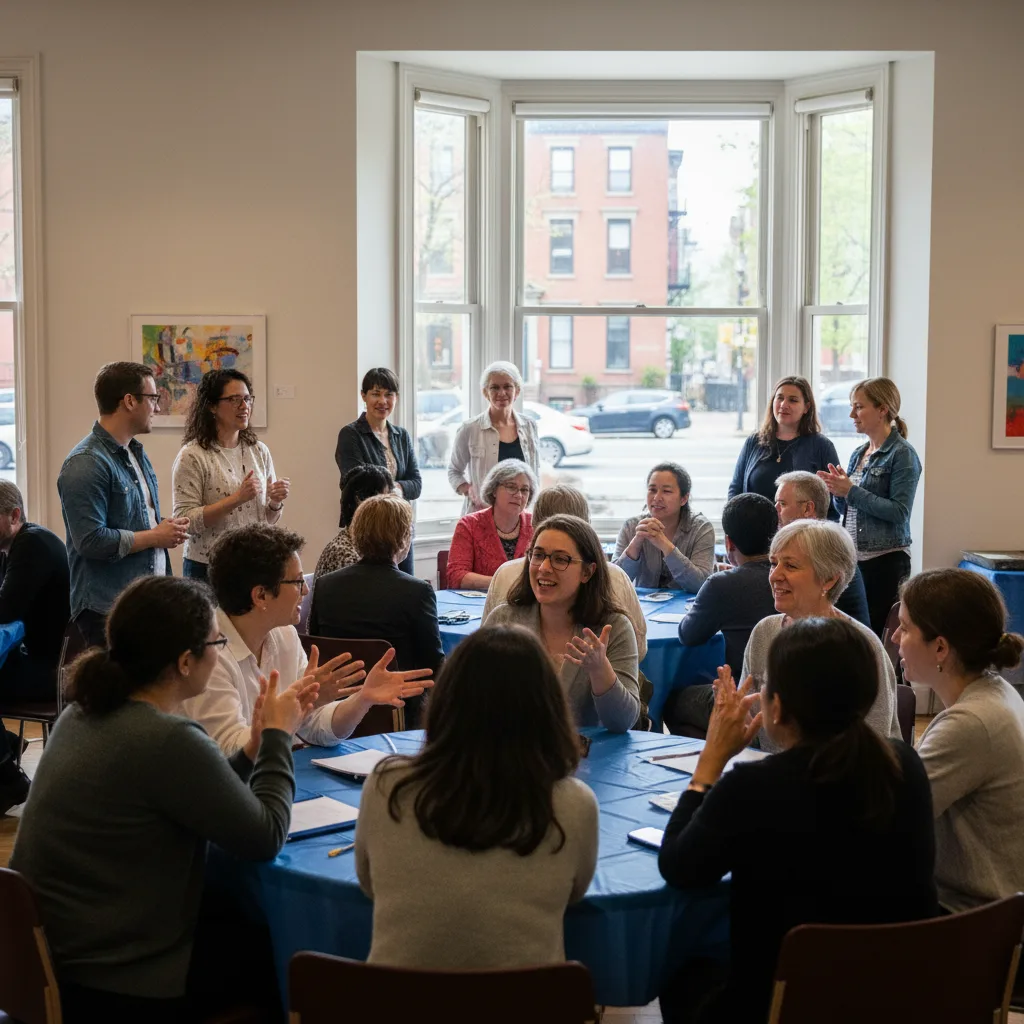
Queens Events Calendar for October 8, 2026, features diverse activities, including community care discussions and local gatherings. Residents can find opportunities to engage with local culture.
Queens Nor'easter Topples Trees, Floods Cross Bay Boulevard 2026
A nor'easter in late 2026 toppled trees and flooded streets across Queens, causing significant disruption in southeast neighborhoods and affecting Cross Bay Boulevard commuters. Power outages and traffic delays were widespread.