


US Court Rules Trump Cannot Deport Students for Criticizing Israel
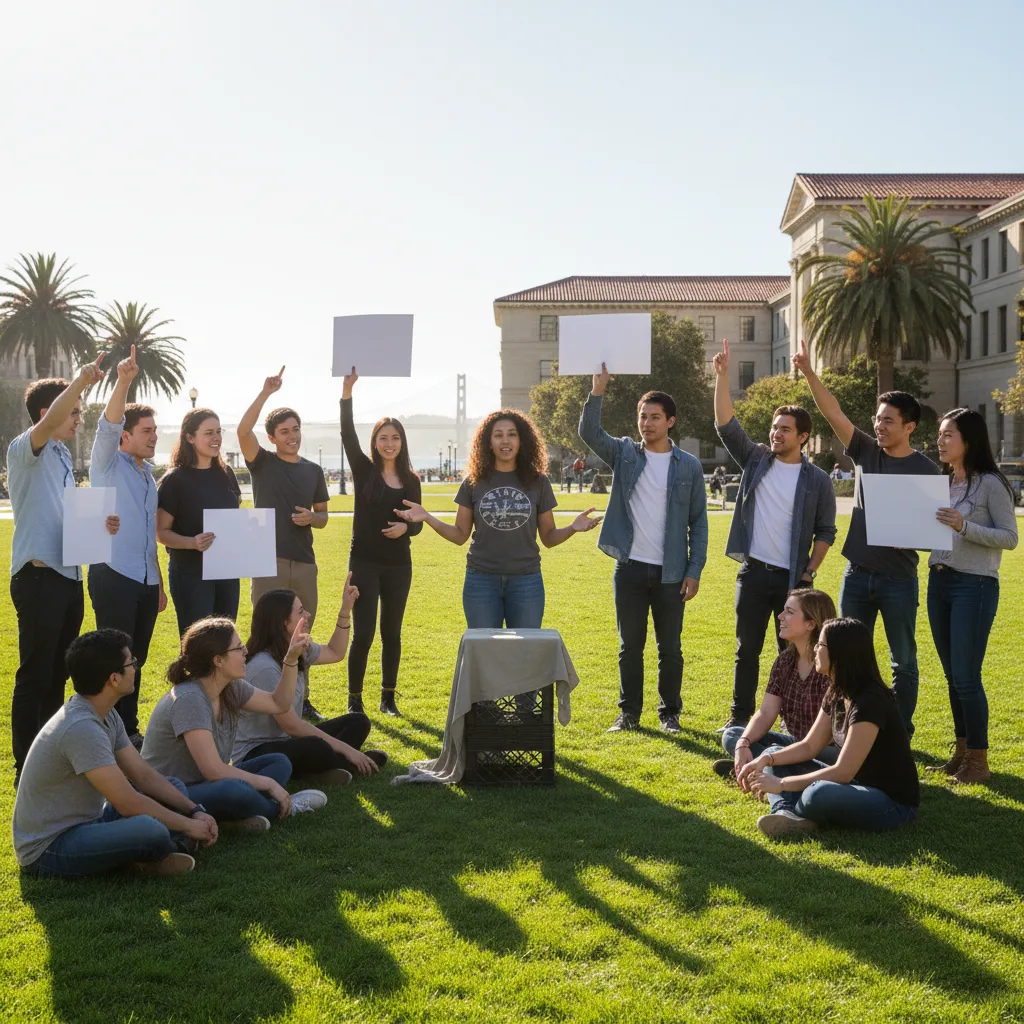
NEW YORK — "A US court ruled that Donald Trump cannot deport students for criticising Israel, a decision that immediately drew attention because it touches free speech, immigration, and campus protest politics," as reported by NDTV. The ruling is being widely discussed today as another flashpoint in the debate over how far governments can go in punishing political expression.
Implications for Free Speech and Campus Protests
The court's decision directly addresses the intersection of constitutional free speech rights and immigration status for students in the United States. This ruling provides a significant precedent for protecting academic freedom and the ability of students, including those on visas, to express political opinions without fear of deportation. It underscores the judiciary's role in safeguarding civil liberties against executive actions.
Universities across the country have grappled with the balance between maintaining order and allowing for robust political discourse, particularly concerning international conflicts. This judicial outcome will likely empower student activists and could influence future protest movements on campuses. The ruling sends a clear message about the limits of governmental authority in suppressing dissent, even from non-citizens.
Community Reaction in Cross Bay and Queens
In Cross Bay Boulevard and nearby Queens neighborhoods, the ruling is likely to spark strong opinions among students, parents, and immigrant families who follow campus and civil-rights issues closely. Local conversations would likely center on free speech, political protests, and whether the decision feels like protection for dissent or another sign of legal chaos. Queens is home to a diverse population with varying perspectives on global events.
Many residents with personal or ancestral ties to regions impacted by the Israeli-Palestinian conflict, or who themselves have immigrated to the U.S., would find this ruling particularly resonant. It touches upon sensitive topics of belonging, rights, and the extent to which political views can influence one's legal standing in the country. Community groups focused on civil liberties and immigration reform are expected to weigh in heavily.
Legal Precedent and Executive Authority
The court's decision specifically limits the executive branch's power to use immigration status as a tool to silence political criticism. This sets an important legal precedent for similar cases in the future, providing a shield for students who engage in advocacy. It affirms that the First Amendment, while primarily applicable to citizens, can also extend certain protections to non-citizens within U.S. borders.
Legal experts are analyzing the full scope of the ruling, particularly its potential to influence other areas of immigration law and executive orders. The case contributes to the ongoing legal debate regarding presidential powers versus individual rights, especially in politically charged environments. Such decisions reinforce the checks and balances inherent in the American legal system.
Broader Context of Immigration and Civil Rights
This ruling comes at a time when immigration policies and civil rights continue to be subjects of intense national debate. The court's stance offers a layer of protection to international students, who are a vital part of academic institutions and the broader economy. It could encourage more open dialogue on campuses, reducing self-censorship among students fearful of repercussions.
The implications extend beyond student visas, potentially impacting how federal agencies approach immigration enforcement concerning individuals engaged in political expression. Civil rights organizations have hailed the decision as a victory for fundamental freedoms, arguing that democratic societies thrive on the ability to voice dissent without fear of retribution. This is often an underlying theme in discussions about how local communities are affected by broader national and international events.
Frequently Asked Questions
Does this ruling mean all international students can criticize U.S. policy without consequences?
This ruling specifically states that students cannot be deported for criticizing Israel by the Trump administration. While it offers significant protection for free speech, students are still subject to visa regulations and university codes of conduct. The ruling sets a precedent for protected political expression but does not grant blanket immunity for all actions.
How does this ruling affect other immigration policies?
This ruling primarily impacts policies related to the deportation of students based on their political expression. It establishes a legal limit on executive power in this specific context. While it doesn't directly overturn other immigration policies, its emphasis on free speech protections for non-citizens could influence future legal challenges against other immigration enforcement actions.
Where can students find support regarding their rights to protest?
Students seeking support regarding their rights to protest can contact university legal aid services, civil liberties organizations like the American Civil Liberties Union (ACLU), and immigration legal services. These organizations often provide guidance on protected speech, visa implications, and legal representation if needed, ensuring students understand their rights and responsibilities.
Written by
Newstrix
Cross Bay News
Related Articles
More in Government & Politics →
DA Katz Urges Parole Board to Keep Eddie Byrne Killer Behind Bars 2026
Queens DA Melinda Katz urges the state parole board to keep the killer of rookie cop Eddie Byrne behind bars for his 1988 assassination in South Jamaica. Justice remains a priority.

Brazil's Presidential Election Draws Concern from Queens Latin American Community
Brazil's polarized presidential election deeply concerns Queens' Latin American community, debating its impact on family abroad and regional stability.
Your Essential Guide to Sandals Jamaica Montego Bay for Queens Travelers
Planning a luxurious escape? Our guide to Sandals Jamaica Montego Bay helps Queens residents plan the perfect all-inclusive, adults-only Caribbean getaway.
Your Guide to Exploring Jamaica Excursions from Montego Bay for Queens Travelers
Discover the best Jamaica excursions from Montego Bay for Queens residents, including top attractions, transportation tips, and what to pack for your adventure.

A Local's Guide to Montego Bay, Jamaica Beach for Your Next Getaway
Planning a tropical escape from Queens? Explore this guide to Montego Bay, Jamaica beach destinations, essential tips, and activities for your 2026 getaway.

Queens Events Calendar Features Diverse Activities October 8, 2026
Queens Events Calendar for October 8, 2026, features diverse activities, including community care discussions and local gatherings. Residents can find opportunities to engage with local culture.