


US Military Launches New Strikes Against Iran, Regional Tensions Mount
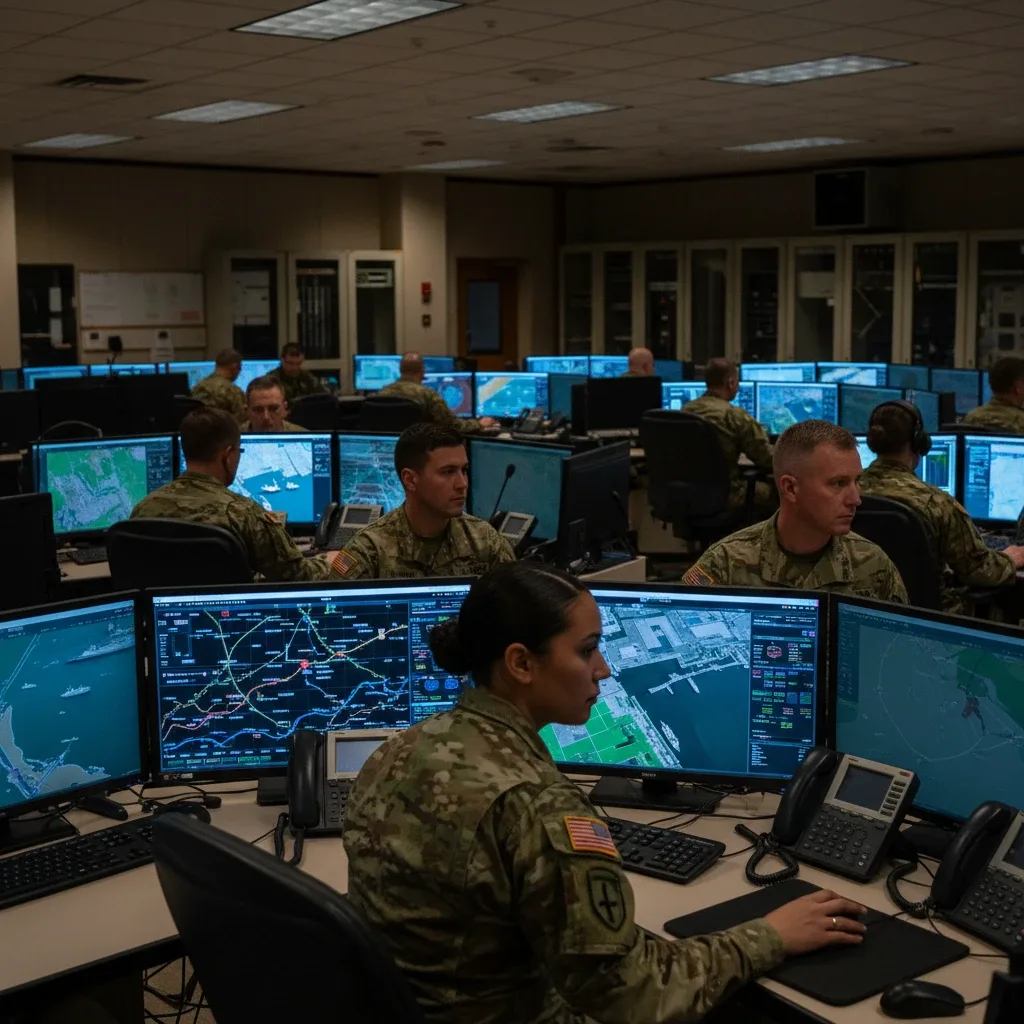
NEW YORK — The United States military launched another round of strikes against Iranian targets late Wednesday night, Central Command confirmed. This marks the second consecutive night of such operations, signaling a significant escalation in regional tensions.
Escalation in the Middle East
The renewed strikes followed what the U.S. described as continued threats to American personnel and interests in the Middle East. These actions come as diplomatic efforts between the two countries appear to be collapsing, according to CBS News. The situation is drawing intense global attention due to the heightened risk of a broader regional conflict.
U.S. officials, speaking anonymously due to the sensitive nature of the operations, stated that the targets included facilities used by Iran's Revolutionary Guard Corps and its proxies. These facilities were reportedly linked to recent attacks on U.S. forces. The strikes were precise and aimed at degrading Iran's ability to project power in the region.
Global Economic Repercussions Anticipated
The potential for wider conflict has immediate implications for global shipping lanes and energy markets. Analysts are closely watching oil prices, which saw a modest increase following the initial reports of the strikes. A sustained escalation could lead to significant disruptions in oil supplies from the Persian Gulf, directly impacting global economies, including those in New York.
Energy experts are warning that prolonged instability could trigger an energy crisis, reminiscent of past periods of geopolitical tension. Such an event would affect everything from gasoline prices at the pump along Cross Bay Boulevard to the cost of goods shipped internationally. The interconnectedness of the global economy means that regional conflicts often have far-reaching effects on local consumers.
Impact on U.S. Forces and Allies
The escalation also poses increased risks for U.S. forces stationed in the Gulf region and for American allies. Pentagon officials reiterated that the strikes were defensive in nature, intended to deter further aggression. However, concerns remain about potential retaliatory actions from Iran or its proxies, which could further destabilize an already volatile area.
Allies in Europe and the Middle East have been briefed on the U.S. actions, with many urging de-escalation through diplomatic channels. The international community is keenly aware that miscalculations could lead to a full-scale conflict, which would have catastrophic consequences. The delicate balance of power in the region is under significant strain, as countries like Denmark navigate complex international relations.
Diplomatic Efforts Falter Amid Strikes
Despite the military actions, some diplomatic efforts are reportedly still underway, albeit with diminishing prospects. International mediators have attempted to bridge the divide between Washington and Tehran, but the recent strikes have made progress difficult. The lack of open communication channels between the two adversaries complicates any path toward de-escalation.
Secretary of State Evelyn Clarke issued a statement on Thursday, emphasizing the U.S. commitment to protecting its personnel while seeking a peaceful resolution. "Our actions are a direct response to attacks on our forces," Secretary Clarke said. "We remain open to diplomacy, but Iran must cease its aggressive actions." However, the prospect of immediate diplomatic breakthroughs appears slim given the current trajectory.
Queens Residents Monitor Global Developments
Residents of Queens, including those along Cross Bay Boulevard, are monitoring the international situation with a mix of concern and apprehension. While geographically distant from the conflict zone, the potential for economic fallout, particularly rising gas prices and supply chain disruptions, is a tangible worry for local families and businesses. This is not the first time global events have cast a shadow over local concerns; residents have previously discussed how the energy crisis in Cuba could influence broader markets.
The conflict also resonates with the diverse communities in Queens, many of whom have ties to the Middle East. Discussions in local cafes and community centers often touch upon the human toll of such conflicts and the yearning for peace. The sheer scale of global interconnectedness means events thousands of miles away can still impact daily life in New York City.
Frequently Asked Questions
How could escalating tensions in the Middle East affect daily life in Queens, particularly along Cross Bay Boulevard? Escalating tensions in the Middle East could significantly impact daily life in Queens through several channels. The most immediate concerns include a potential rise in global oil prices, which would translate into higher gas prices at local pumps along Cross Bay Boulevard and increased costs for transportation and goods. Additionally, global supply chain disruptions could affect the availability and cost of various products, impacting local businesses and household budgets. Residents with family or cultural ties to the region may also experience heightened anxiety and concern.
What is the U.S. Central Command and what role does it play in the recent strikes? The U.S. Central Command (CENTCOM) is one of the eleven unified combatant commands of the U.S. military, responsible for operations in the Middle East, Central Asia, and parts of South Asia. In the context of the recent strikes against Iran, CENTCOM is the operational authority responsible for planning and executing military missions in its area of responsibility. They coordinate and command the U.S. forces involved, ensuring that military actions align with strategic objectives and respond to perceived threats in the region.
Written by
Newstrix
Cross Bay News
Related Articles
More in National & World →
Police Fire Tear Gas as Protests Spread Across France 2026
Police fired tear gas as tens of thousands rallied across France on Oct 6, 2026, protesting for education reforms. High schools were blockaded.

Cross Bay Boulevard Residents React to Ukraine Drone Attack on Moscow
Cross Bay Boulevard residents voice concerns as Ukraine launches a major drone attack on Moscow, signaling conflict escalation and raising local anxieties.
56-Year-Old Exporter Granted Bail in St James Parish Court 2026
A 56-year-old exporter was granted $600,000 bail in St James Parish Court, Montego Bay, on Oct 6, 2026, after his attorney challenged the charges.

French Student Protests Spread, Prompting Global Concern
French student protests are spreading nationwide, sparking global concern and discussions among international observers and Cross Bay Boulevard residents.
Cross Bay Boulevard Residents Anxious Over Escalating Global Tensions 2026
Cross Bay Boulevard residents express anxiety as North Korea missile tests and stalled Iran talks escalate global tensions. Concerns arise about local economic impacts.

Kyiv Northern Bridge Strike Prompts Safety Discussions Among Cross Bay Residents 2026
Cross Bay Boulevard residents, especially those with ties to Ukraine, are discussing civilian safety and transportation disruptions after a Russian strike hit Kyiv's Northern Bridge on October 3, 2026. This impacts Queens communities.