


Iran Strait of Hormuz Proposal Rejected by Trump Amid High Tensions
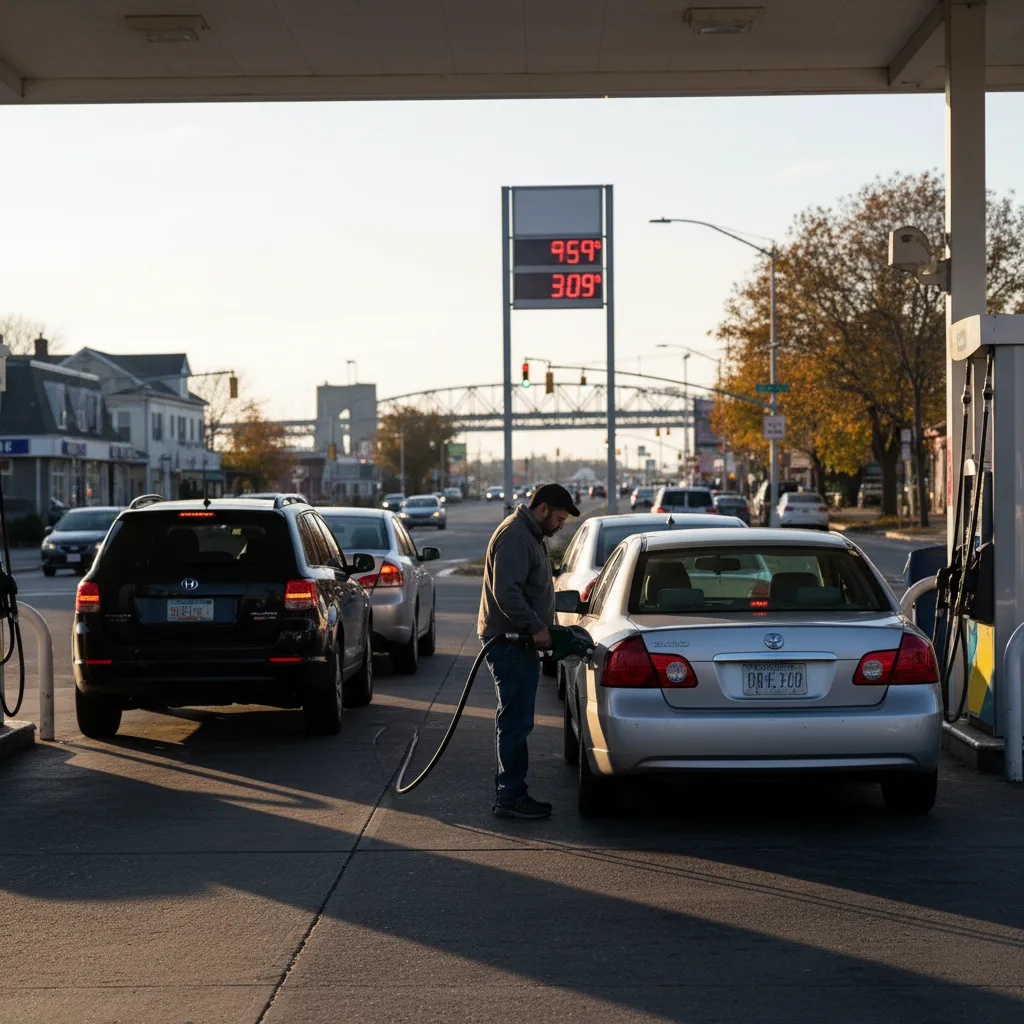
NEW YORK — President Trump rejected Iran’s proposal to reopen the Strait of Hormuz in exchange for ending the conflict, keeping tensions high around one of the world’s most important shipping routes, according to News24online. This decision, made on September 27, 2026, has significant global implications for oil markets and broader Middle East stability, affecting local concerns on Cross Bay Boulevard.
Global Impact on Local Economy
The rejection of Iran's proposal has immediate ramifications for international oil markets. Any disruption in the Strait of Hormuz, a critical chokepoint for global oil shipments, can lead to increased volatility in crude oil prices. For residents and businesses along Cross Bay Boulevard, these fluctuations often translate directly into higher gas prices and increased costs for consumer goods due to shipping delays. Many local conversations in Queens revolve around the potential for these global events to hit home fast.
Local bodegas, barber shops, and diners in Ozone Park and Howard Beach are places where these global developments are frequently discussed. Owners and patrons alike are keenly aware that international tensions can quickly affect their daily expenses and business operations. The rising cost of fuel, for instance, impacts everything from delivery services to personal commutes.
Trump's Stance and Regional Stability
President Trump's administration has maintained a firm stance against Iran, citing concerns over its nuclear program and regional influence. The proposal to reopen the Strait of Hormuz was reportedly contingent on an end to the conflict, a condition that the U.S. government evidently found unacceptable given existing geopolitical dynamics, News24online reported.
This rejection ensures that the geopolitical chessboard in the Middle East remains highly sensitive. Analysts suggest that the decision aims to maintain pressure on Tehran, but it also carries the risk of further escalation. The region's stability is vital for uninterrupted global trade and energy supplies, directly impacting commodity prices worldwide.
Implications for Oil Markets and Shipping Routes
With the Strait of Hormuz remaining a flashpoint, shipping companies and oil traders are closely monitoring the situation. Any perceived threat to the strait's navigability can trigger speculative buying in oil futures, driving up prices. This directly affects supply chains and the overall cost of imported goods, a concern for many businesses in Queens that rely on international trade.
Economists have warned that sustained high tensions in the Middle East could lead to prolonged periods of elevated oil prices. Such conditions would put additional strain on household budgets and potentially slow economic growth in a borough like Queens, which is heavily dependent on transportation and local commerce. The discussions among residents often highlight how cross bay boulevard residents express concerns about such international developments.
Community Reaction on Cross Bay Boulevard
For residents on Cross Bay Boulevard, the news is a stark reminder of the interconnectedness of global politics and everyday life. Many voiced concerns about the potential for another spike in gas prices. "Every time there's trouble over there, we feel it at the pump," commented a local taxi driver in Howard Beach.
The implications extend beyond fuel costs. The stability of global trade routes affects the availability and pricing of a wide range of products sold in local stores. From imported goods to essential commodities, the ripple effect of Middle East tensions is a tangible reality for consumers and merchants in Queens.
Future of U.S.-Iran Relations
The rejection of the Strait of Hormuz proposal signals that a diplomatic resolution to the U.S.-Iran conflict remains distant. Both sides continue to engage in a high-stakes standoff, with each action carefully weighed for its strategic implications. The international community is closely watching for any further developments, hoping to avert a broader conflict that could destabilize the region and global economy.
Further discussions are expected in international forums regarding de-escalation strategies, but the immediate outlook remains one of heightened alert. For the people of Cross Bay Boulevard, this means continued uncertainty regarding the economic fallout from ongoing geopolitical tensions.
Frequently Asked Questions
How does the Strait of Hormuz situation impact Cross Bay Boulevard residents?
High tensions around the Strait of Hormuz can significantly impact Cross Bay Boulevard residents by driving up gas prices and increasing the cost of imported goods. This directly affects household budgets and local businesses, as global oil markets react to perceived supply threats.
What was Iran's proposal regarding the Strait of Hormuz?
Iran's proposal involved reopening the Strait of Hormuz in exchange for an end to the conflict with the U.S. However, President Trump rejected this offer, keeping the strategically vital shipping route a point of contention and maintaining high regional tensions.
Where can I find more information about the U.S.-Iran tensions and their global impact?
For ongoing updates on U.S.-Iran tensions and their global impact on oil markets, you can refer to international news sources like News24online. They provide real-time coverage and analysis of geopolitical developments that affect commodity prices and regional stability.
Written by
Newstrix
Cross Bay News
Related Articles
More in Local Economy & Business →
US Ban on Canadian Goods Affects Queens Groceries, Bars 2026
US ban on Canadian alcohol and dairy takes effect, raising concerns for Queens residents about rising prices and supply chain issues on Cross Bay Boulevard.

New Business Grand Opening Boosts Queens Local Economy on Cross Bay Boulevard
A new business celebrated its grand opening on Cross Bay Boulevard, boosting the Queens local economy with potential jobs and increased commercial activity.
Trump Rejects Iran Strait Proposal, Cross Bay Boulevard Reacts to Oil Impact 2026
Trump rejects Iran's Strait of Hormuz proposal, sparking concerns among Cross Bay Boulevard residents about rising gas prices and economic impacts.
Queens Residents Express Concerns Over Hormuz Strait Reopening Proposal
Queens residents, especially drivers and small-business owners along Cross Bay Boulevard, express concern over Iran's Strait of Hormuz reopening proposal.
Xi and Trump Agree to Constructive Relationship, Impacts Queens Trade
Xi and Trump agreed to a constructive relationship, signaling a potential trade reset with implications for the Cross Bay Boulevard economy in Queens.

Cross Bay Boulevard Residents Concerned by Escalating Middle East Conflict
Queens residents along Cross Bay Boulevard are concerned about rising Middle East tensions impacting gas prices and shipping, fueling local economic anxiety.