


US Ban on Canadian Goods Affects Queens Groceries, Bars 2026
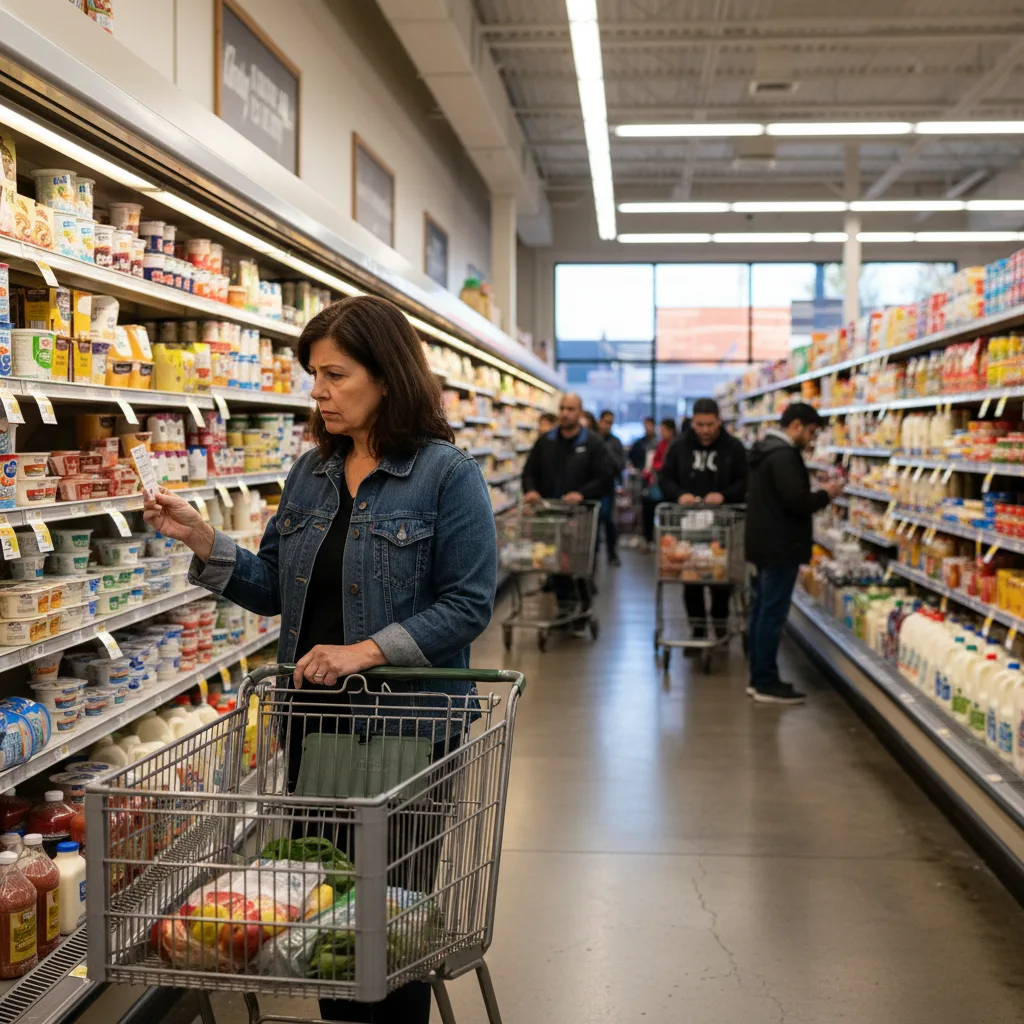
NEW YORK — The U.S. government implemented a new ban on Canadian alcohol and dairy imports this week, escalating a trade dispute that could impact local prices and supply chains in Queens. This move, reported by BBC News, is sharpening economic tensions and drawing attention to potential ripple effects on cross-border commerce.
Trade War Heightens Concerns for Cross Bay Boulevard Businesses
The ban directly affects small businesses along Cross Bay Boulevard, including local delis, groceries, and bars that often rely on imported goods, according to BBC News. Residents are already discussing whether this ban will lead to further increases in everyday prices for essential items. Store owners are also contemplating how to absorb or pass on these potential cost increases to their customers.
Small business owners in Howard Beach and Ozone Park are particularly vulnerable to such disruptions. Many operate on tight margins and even slight fluctuations in supply or cost can have significant impacts on their profitability. The concern among community members is palpable, as conversations in coffee shops frequently turn to the climbing cost of living in the area.
Rising Prices Feared in Local Queens Neighborhoods
Queens consumers fear that the U.S. ban on Canadian alcohol and dairy products will translate into higher prices at local stores. This sentiment was echoed in community discussions along Cross Bay Boulevard, where the topic of food and drink costs is a recurring concern. Residents worry about the affordability of their weekly grocery runs and their favorite beverages.
The potential for increased costs comes at a time when many households are already managing tight budgets. Local economists suggest that if businesses are forced to raise prices, it could lead to a decrease in consumer spending on discretionary items, further impacting the local economy. The ripple effect could be felt beyond just the cost of goods, potentially affecting local employment as well.
Supply Chain Disruptions and Alternative Sourcing for Queens Retailers
Retailers in Queens are now faced with the challenge of finding alternative suppliers for Canadian alcohol and dairy products. This sudden shift can create supply chain disruptions, making it harder for stores to keep shelves stocked with popular items. The transition period is expected to be particularly challenging for smaller establishments that lack extensive procurement networks.
Local delis and grocery stores along Cross Bay Boulevard, which traditionally source from a diverse range of distributors, will need to quickly adapt. Some businesses may explore sourcing similar products from other regions or opting for domestic alternatives, but these changes can come with their own set of logistical hurdles and cost implications. The availability of certain niche products may also decrease, altering consumer choices.
Historical Context of US-Canada Trade Relations
The current ban on Canadian alcohol and dairy products is not an isolated incident but part of a broader history of trade tensions between the U.S. and Canada. While often seen as close allies, the two nations have periodically engaged in disputes over agricultural products, lumber, and other goods. These disagreements underscore the complex economic relationship.
Past trade disagreements have sometimes led to retaliatory tariffs and import restrictions, impacting various sectors in both countries. The current ban serves as a reminder that even long-standing trade partnerships can be subject to economic pressures and political decisions. Understanding this history helps contextualize the immediate impact on Queens residents and businesses.
Community Reaction Along Cross Bay Boulevard to Economic Pressures
Residents along Cross Bay Boulevard are closely monitoring the developments, viewing the ban as another factor contributing to mounting economic pressures. Discussions at local eateries and community centers reflect a collective concern over household budgets. Many residents are already experiencing the squeeze of inflation on various goods and services.
For many, the cost of living in Queens is a constant topic, and any news that suggests further price increases is met with apprehension. This latest trade action adds another layer of uncertainty to local economic stability, prompting residents to consider how they might adjust their spending habits to cope with potential increases. This comes as Cross Bay News recently reported on new business grand opening Queens Cross Bay Boulevard, highlighting efforts to bolster the local economy.
Frequently Asked Questions
How will the U.S. ban on Canadian alcohol and dairy affect local prices in Queens?
The U.S. ban on Canadian alcohol and dairy is expected to lead to increased prices for these products at local grocery stores, delis, and bars along Cross Bay Boulevard, according to BBC News. Small businesses may pass on higher costs from alternative sourcing or reduced supply, impacting consumer budgets in neighborhoods like Howard Beach and Ozone Park.
What can consumers in Queens expect regarding product availability?
Consumers in Queens may see temporary disruptions in the availability of certain Canadian alcohol and dairy products as retailers seek new suppliers. While some popular items might become scarce for a period, stores will likely adapt by sourcing domestic alternatives or different international brands, potentially altering product variety in local stores.
Why is the U.S. implementing a ban on Canadian goods?
The U.S. ban on Canadian alcohol and dairy products is part of an ongoing trade dispute between the two countries, aimed at addressing economic tensions. These types of restrictions are often used as leverage in international trade negotiations, reflecting broader disagreements over market access and trade policies, as reported by BBC News.
Written by
Newstrix
Cross Bay News
Related Articles
More in Local Economy & Business →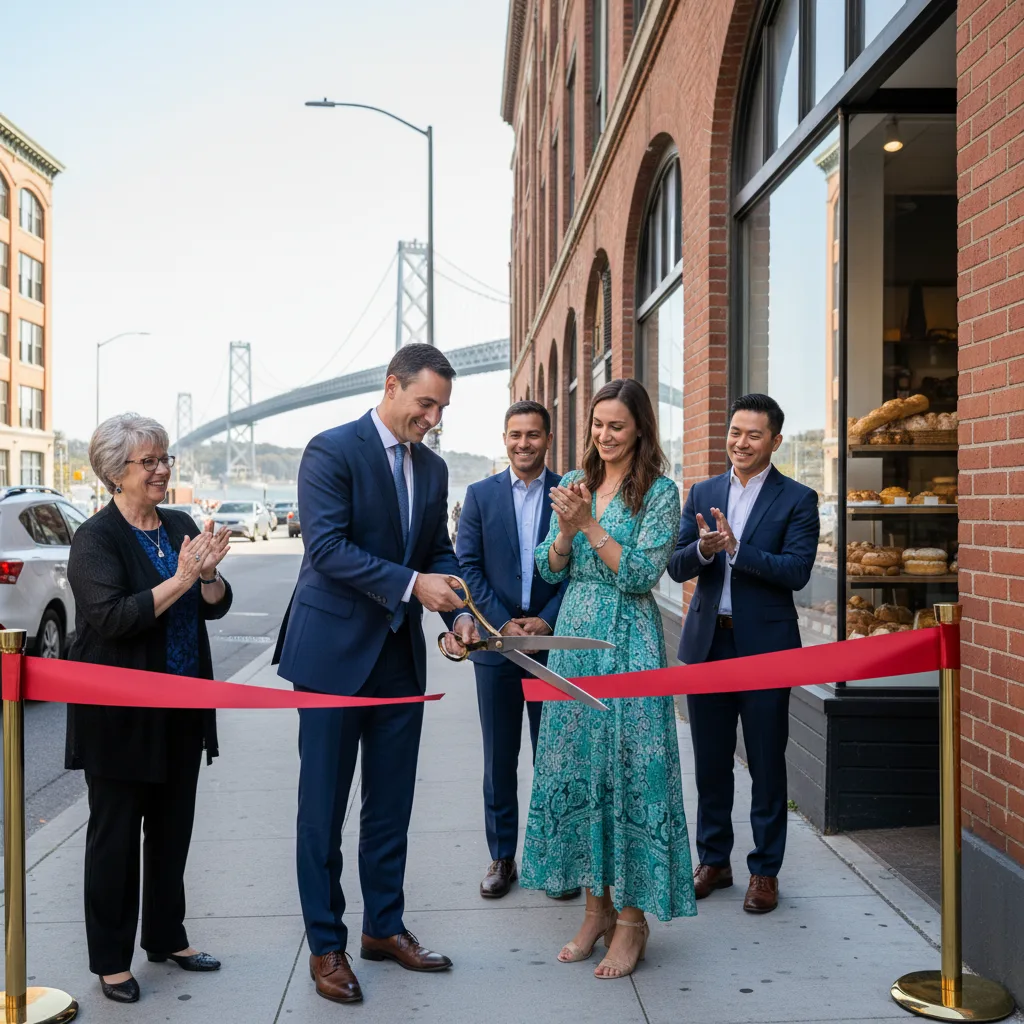
New Business Grand Opening Boosts Queens Local Economy on Cross Bay Boulevard
A new business celebrated its grand opening on Cross Bay Boulevard, boosting the Queens local economy with potential jobs and increased commercial activity.
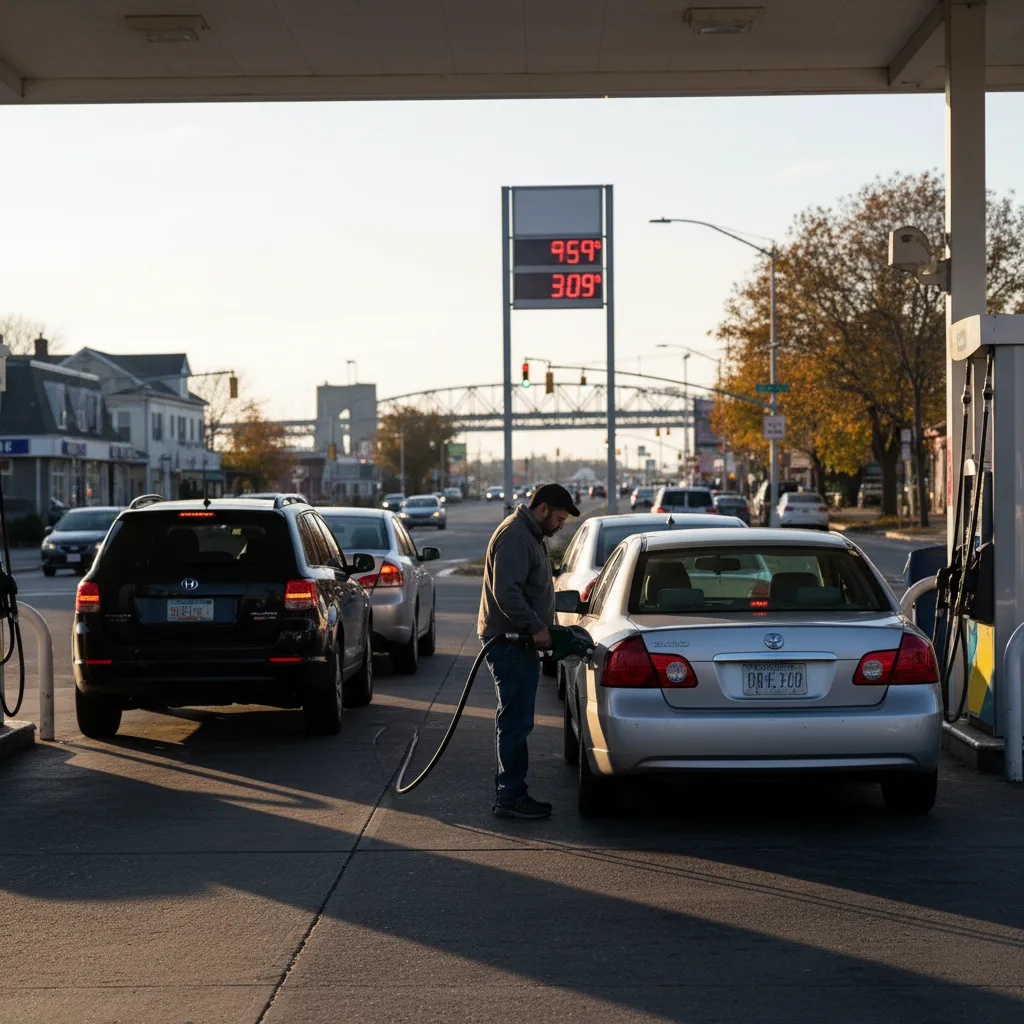
Iran Strait of Hormuz Proposal Rejected by Trump Amid High Tensions
President Trump rejected Iran’s proposal to reopen the Strait of Hormuz on September 27, 2026, keeping tensions high and sparking economic concerns on Cross Bay Boulevard.
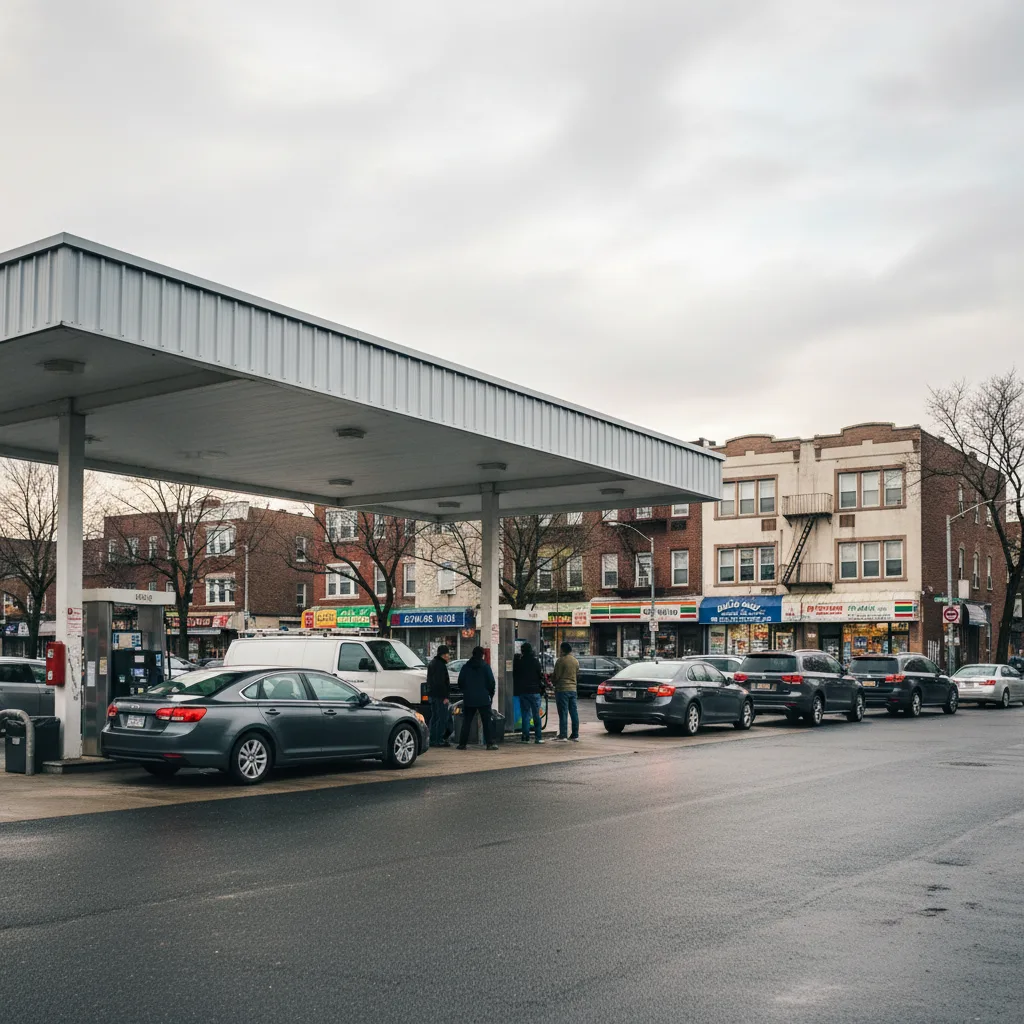
Trump Rejects Iran Strait Proposal, Cross Bay Boulevard Reacts to Oil Impact 2026
Trump rejects Iran's Strait of Hormuz proposal, sparking concerns among Cross Bay Boulevard residents about rising gas prices and economic impacts.
Queens Residents Express Concerns Over Hormuz Strait Reopening Proposal
Queens residents, especially drivers and small-business owners along Cross Bay Boulevard, express concern over Iran's Strait of Hormuz reopening proposal.
Xi and Trump Agree to Constructive Relationship, Impacts Queens Trade
Xi and Trump agreed to a constructive relationship, signaling a potential trade reset with implications for the Cross Bay Boulevard economy in Queens.

Cross Bay Boulevard Residents Concerned by Escalating Middle East Conflict
Queens residents along Cross Bay Boulevard are concerned about rising Middle East tensions impacting gas prices and shipping, fueling local economic anxiety.