


Cross Bay Boulevard Wildlife Coalition Restores Shoreline Habitats
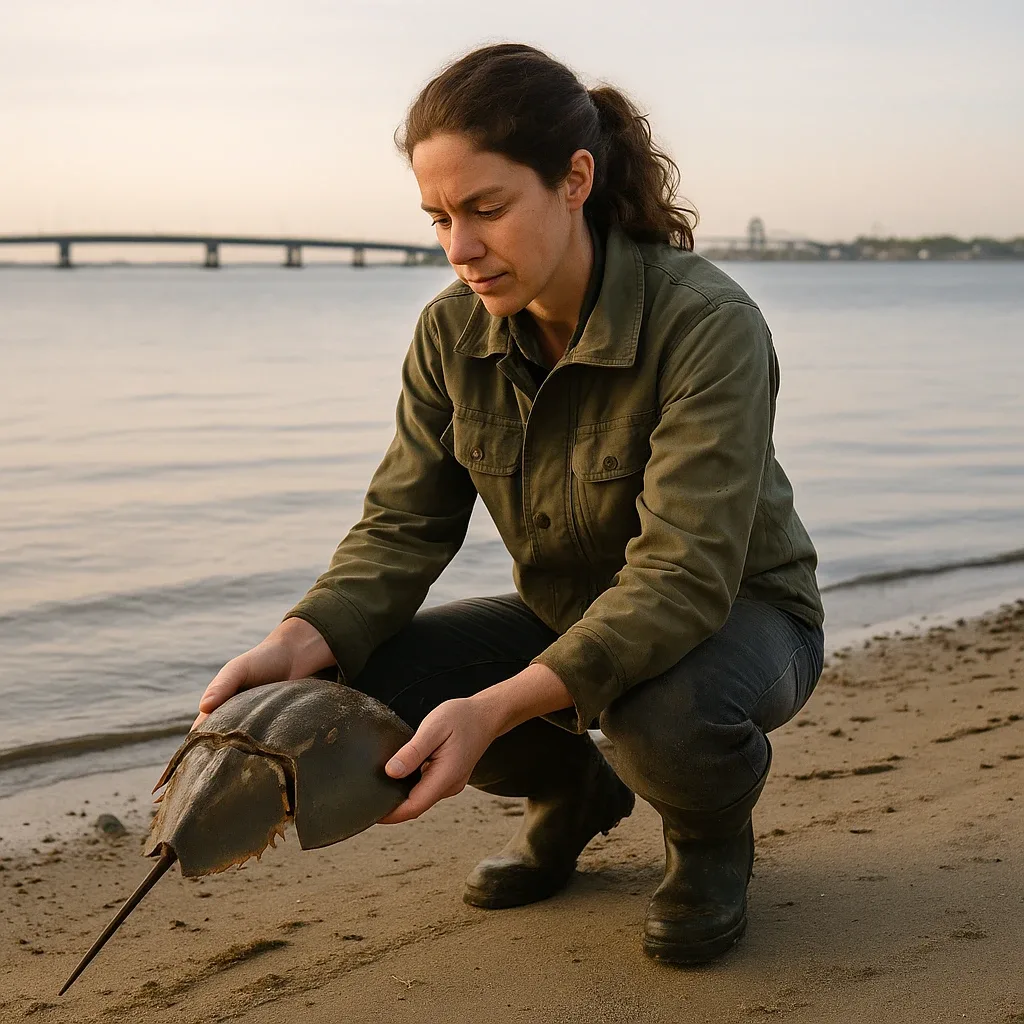
NEW YORK — Queens environmental advocates experienced a major victory this week as seasonal counts revealed a record number of horseshoe crabs returning to local nesting sites. Much of this ecological improvement is attributed to cleanups organized near the jamaica bay riding academy by conservation volunteers.
Wildlife Federation Measures Substantial Horseshoe Crab Population Surges
More than one thousand five hundred horseshoe crabs were documented along the sandy beaches of Broad Channel on Monday morning. The annual wildlife census is conducted by biologists from the American Littoral Society to monitor estuary health.
Researchers reported that restoration efforts along the shoreline have significantly improved nesting conditions. Soil compaction rates have decreased, allowing female crabs to deposit eggs safely above the high-tide line.
Broad Channel Volunteers Launch Systematic Salt Marsh Cleanup Efforts
Volunteer crews removed roughly three tons of plastic debris and discarded fishing gear from the wetlands over the weekend. The cleanup initiative targeted critical nesting areas that had been blocked by marine refuse.
Salty marsh air swept across the tidal flats of the wildlife refuge, where small crabs scrambled through the cordgrass as volunteers began their sweep. Organizers noted that keeping these coastal pathways clear is vital for the survival of migratory shorebirds.
Jamaica Bay Riding Academy Coordinates Protective Perimeter Fence Plans
"Our local volunteer networks are the backbone of this coastal restoration campaign," said Sarah Peterson, director of the local environmental alliance. Conservationists have partner-planned safety protocols with equestrian managers at the nearby Jamaica Bay Riding Academy to protect fragile shoreline nests.
Equestrian guides will redirect horse-riding groups away from sensitive dune areas during the peak spring nesting season. Temporary wooden fences will outline the protected zones to prevent accidental damage to hidden eggs.
Scientific Research Tracks Decades of Estuary Conservation Success
Studies published by regional environmental institutes show that marine biodiversity in the bay has risen fifteen percent over the last decade. Systematic restoration projects have successfully re-established native salt marsh vegetation.
These coastal plants play a vital role in preventing shoreline erosion during heavy storms. Biologists continue to gather water quality data to analyze the long-term impact of urban runoff on marine life.
Parks Department Allocates Funding for Expanded Educational Signage
The city has allocated forty-five thousand dollars for new educational signage along the boulevard trails. The signs will inform visitors about the delicate coastal ecosystem and the importance of leaving nesting wildlife undisturbed.
Installation of the weather-resistant displays is scheduled to begin early next month. Park rangers will also increase educational tours for local school groups during the spring season.
Civic Associations Outline Seasonal Habitat Protection Guidelines
Broad Channel civic groups are distributing educational pamphlets to waterfront homeowners regarding lighting safety. Bright outdoor floodlights can disorient nesting crabs and prevent them from returning to the water.
Homeowners are asked to turn off unnecessary exterior lights after dark through the end of June. For more information on local environmental initiatives, residents can review the Jamaica Bay tides coastal flooding reports.
Frequently Asked Questions
Why are horseshoe crabs important to the Jamaica Bay ecosystem? Horseshoe crab eggs provide a critical food source for thousands of migratory shorebirds traveling along the Atlantic flyway. Their presence also indicates a healthy marine environment and stable water quality levels.
How can volunteers join the shoreline cleanup efforts? Interested individuals can register through the American Littoral Society website or attend the weekly meetings at the Broad Channel library. Cleanup events supply participants with bags, gloves, and safety gear.
When is the peak nesting season for horseshoe crabs in Queens? The nesting season typically runs from late May through early July, coinciding with the full and new moons. During this time, high tides bring thousands of crabs to regional beaches to spawn.
Written by
Newstrix
Cross Bay News
Related Articles
More in Environment →
Cross Bay Residents React to China's Deadly Torrential Rains and Local Conditions 2026
Cross Bay Boulevard residents are reacting to news of China's deadly torrential rains on October 3, 2026, drawing parallels to local conditions and infrastructure needs in Queens. This impacts local communities.
Your Essential Guide to Sandals Jamaica Montego Bay for Queens Travelers
Planning a luxurious escape? Our guide to Sandals Jamaica Montego Bay helps Queens residents plan the perfect all-inclusive, adults-only Caribbean getaway.
Your Guide to Exploring Jamaica Excursions from Montego Bay for Queens Travelers
Discover the best Jamaica excursions from Montego Bay for Queens residents, including top attractions, transportation tips, and what to pack for your adventure.
A Local's Guide to Montego Bay, Jamaica Beach for Your Next Getaway
Planning a tropical escape from Queens? Explore this guide to Montego Bay, Jamaica beach destinations, essential tips, and activities for your 2026 getaway.
Queens Events Calendar Features Diverse Activities October 8, 2026
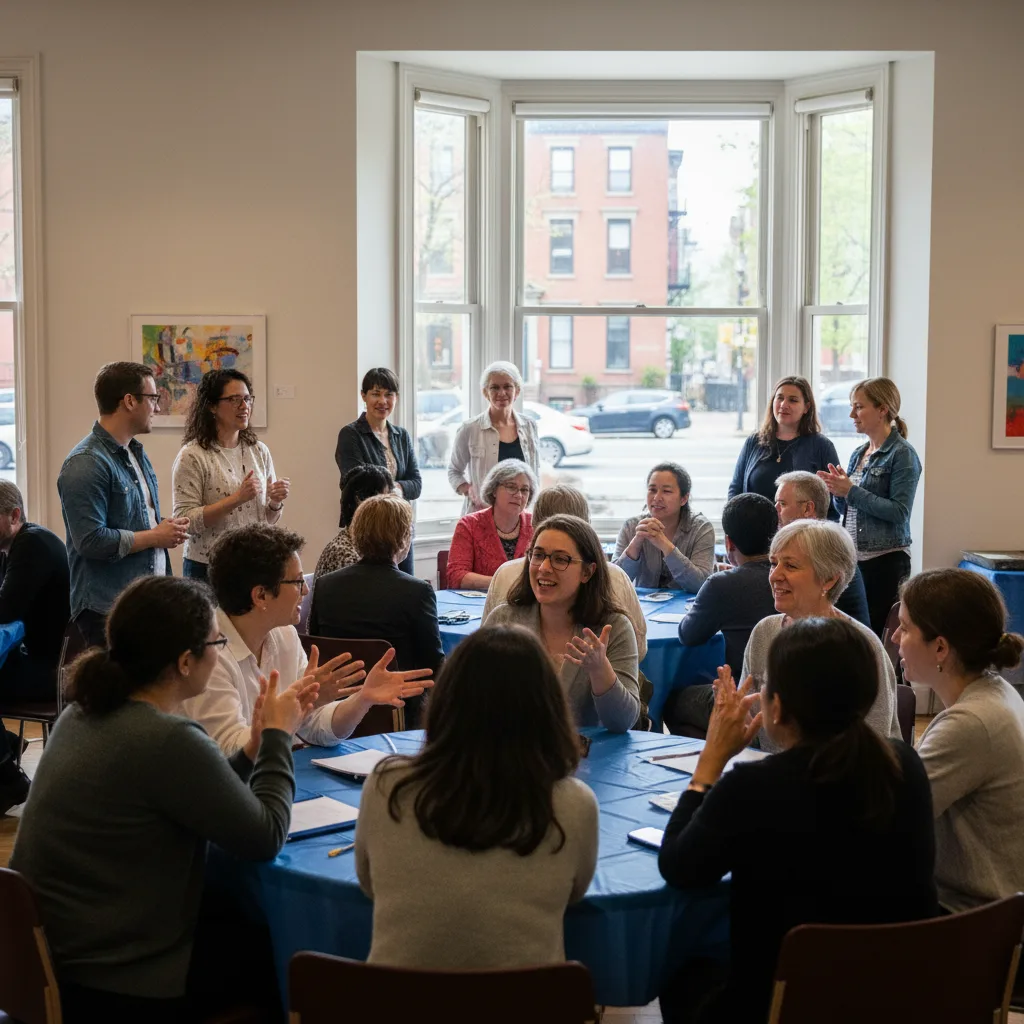
Queens Events Calendar for October 8, 2026, features diverse activities, including community care discussions and local gatherings. Residents can find opportunities to engage with local culture.
Queens Nor'easter Topples Trees, Floods Cross Bay Boulevard 2026
A nor'easter in late 2026 toppled trees and flooded streets across Queens, causing significant disruption in southeast neighborhoods and affecting Cross Bay Boulevard commuters. Power outages and traffic delays were widespread.