


US Supreme Court Upholds Trump's 3rd-Country Deportation Policy
Enjoying the coverage?
Community board, City Council and Albany news that affects the peninsula, every Friday.
Sent every Friday. By subscribing, you agree to our Terms of Use and Privacy Policy.
NEW YORK — The U.S. Supreme Court allowed the Trump administration to continue deporting migrants to countries other than their own on Wednesday, a ruling that immediately intensified the national immigration debate. This decision, impacting thousands, could reshape deportation policy far beyond this week.
High Court's Decision Sparks Immigration Debate
Wednesday's Supreme Court ruling cleared the way for a controversial Trump administration policy on migrant deportations. The decision permits the government to send asylum seekers to third countries that they traveled through, rather than processing their claims in the U.S.
The policy's legal challenge had centered on whether such deportations violate international and domestic asylum laws. The high court's allowance of the policy, for now, represents a significant victory for the administration.
The Cross Bay News Friday Briefing
Community board, City Council and Albany news that affects the peninsula, every Friday.
Sent every Friday. By subscribing, you agree to our Terms of Use and Privacy Policy.
Cross Bay Boulevard Residents Voice Concerns
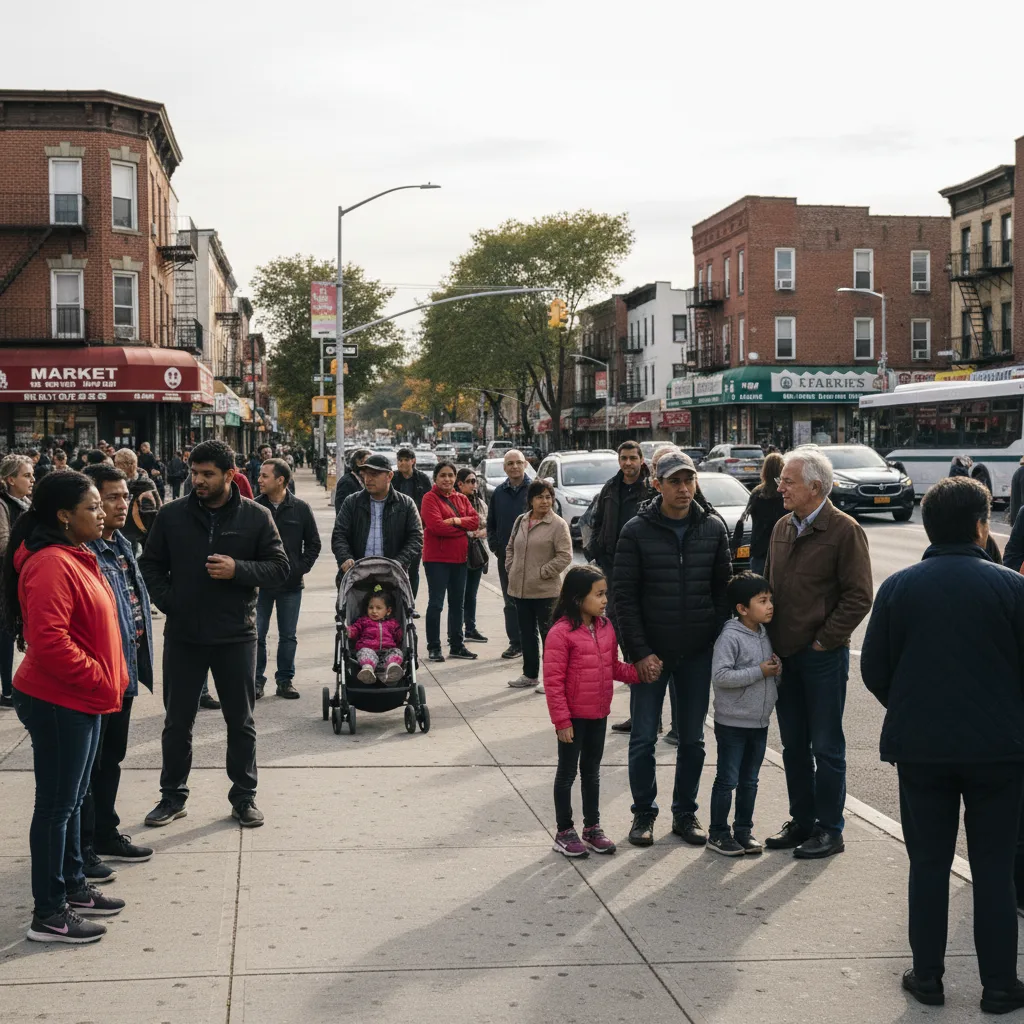
On Cross Bay Boulevard, the Supreme Court’s decision quickly became a central topic of discussion, particularly among the diverse immigrant communities in Queens. Residents are debating what the ruling means for immigrant families, due process, and the safety of individuals seeking asylum.
Discussions in storefronts, churches, and community spaces have been notably animated, reflecting a mix of fear, concerns about fairness, and questions about how local leaders will respond. The ruling directly impacts many in a city built on immigration, where personal connections to the issue run deep.
Impact on Asylum Seekers and Due Process
Advocacy groups and legal experts have widely criticized the third-country deportation policy, arguing that it compromises asylum seekers' rights to due process and places vulnerable individuals at risk. The Supreme Court's decision allows these deportations to proceed while further legal challenges unfold.
The ruling could result in thousands of migrants being sent to countries where they may not have strong ties or adequate protections. Human rights organizations expressed dismay, citing concerns over the conditions migrants might face.
Queens Leaders Anticipate Community Response
Local leaders in Queens, particularly those representing neighborhoods like Cross Bay Boulevard, are anticipating a strong community reaction to the Supreme Court's decision. They are considering how to address the concerns of immigrant families and whether new local initiatives or legal aid efforts will be needed.
The ruling presents a complex challenge for municipal authorities, who often navigate federal immigration policies while striving to protect their residents. The implications for community services and support systems for immigrant populations are considerable.
Shifting Immigration Landscape and Local Advocacy
The Supreme Court's allowance of this deportation policy signifies a major shift in the national immigration landscape. It underscores the ongoing tension between federal enforcement priorities and the needs and rights of immigrant communities.
Local advocacy groups in Queens are expected to intensify their efforts, potentially organizing protests or informational sessions to inform residents of their rights and available resources. The ruling could also influence local political discourse, with many residents seeking assurances from their representatives.
Frequently Asked Questions
What does the Supreme Court's ruling on third-country deportations mean for migrants?
The Supreme Court's ruling allows the Trump administration to continue deporting migrants to countries they transited through, rather than processing their asylum claims in the U.S. This significantly impacts asylum seekers, potentially placing them in countries where they have no direct ties or support.
How are residents on Cross Bay Boulevard reacting to the deportation policy decision?
Residents on Cross Bay Boulevard are actively discussing the ruling, with concerns centered on immigrant families, due process, and safety. The reaction is particularly loud in local community spaces, reflecting widespread debate over fairness and the anticipated responses from local leadership.
Written by
Cross Bay News Staff
Cross Bay News
The Cross Bay News Friday Briefing
Community board, City Council and Albany news that affects the peninsula, every Friday.
Sent every Friday. By subscribing, you agree to our Terms of Use and Privacy Policy.
Related Articles
More in Government & Politics →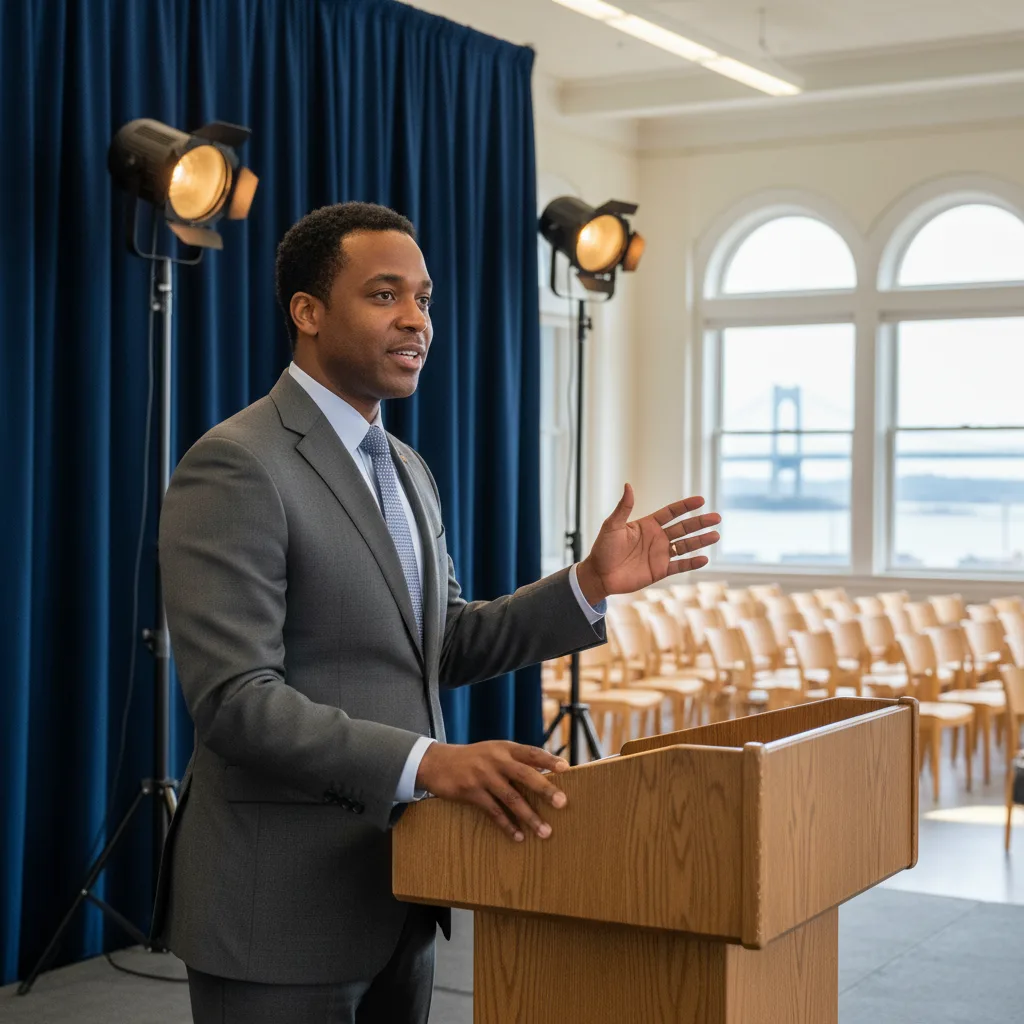
Borough President Richards: Queens No Longer 'Teetering on the Edge'
Queens Borough President Donovan Richards announced Friday that the borough is in a stronger position than one year ago.
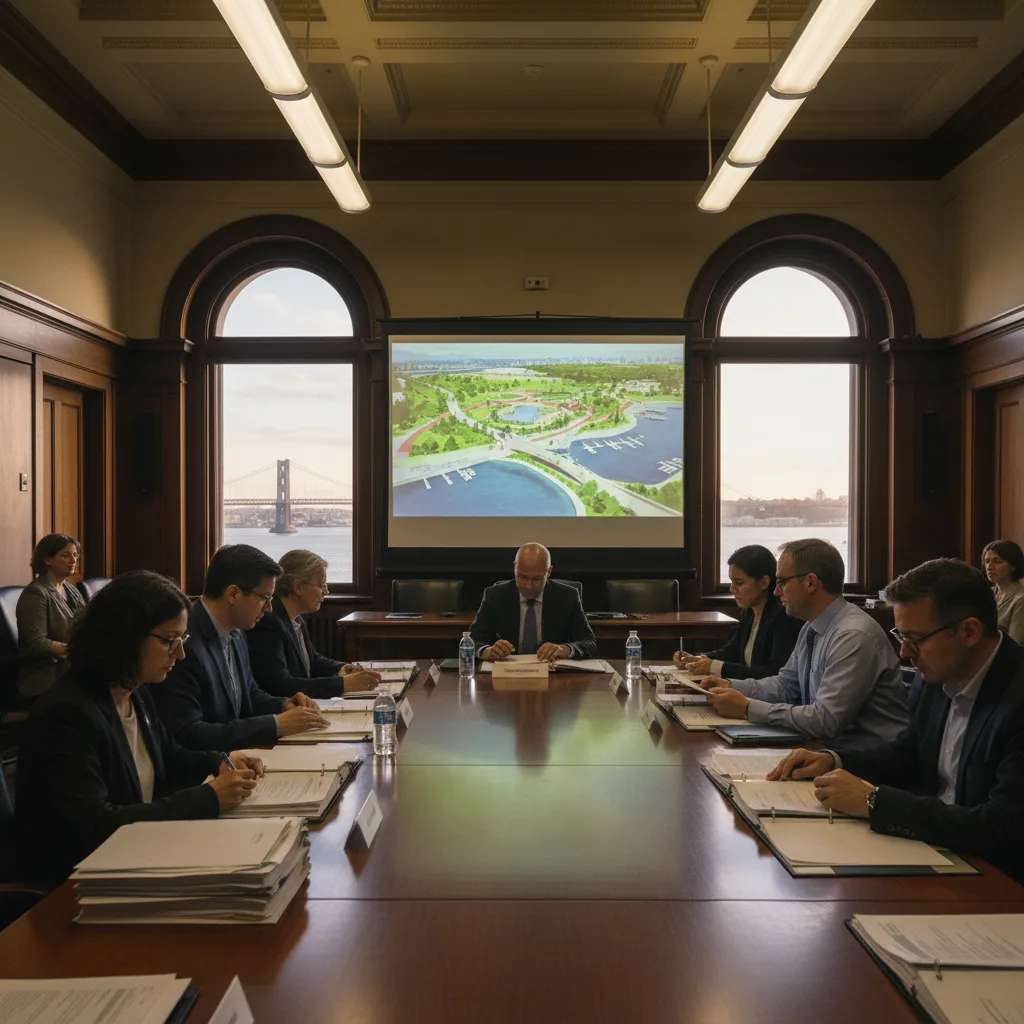
Public Design Commission to Review Projects on November 16
The Public Design Commission will hold its next meeting on Monday, November 16, 2026, to review various public design proposals for New York City.

Queens Midtown Tunnel Explained: Your Guide to Navigating the NYC Passage 2026
Navigating the Queens Midtown Tunnel is a frequent journey for many New Yorkers, connecting Midtown Manhattan to Long Island City in Queens. This comprehensive…

Southeast Queens Groups Urge Hochul to Halt BESS Facilities
Southeast Queens community groups and advocates formally appealed to Governor Kathy Hochul on November 23, 2026, requesting a pause on Battery Energy Storage System facility developments.
Maspeth Community to Host Meeting on Planned Homeless Shelter
NEW YORK: City Council Member Phil Wong (D-Maspeth) announced Thursday, November 19, 2026, that a community input meeting is in the works for a controversial…
Queens Grand Jury Indicts Man for South Ozone Park Stabbing
NEW YORK: A Queens grand jury indicted Rashaun Donovan, 48, of South Jamaica, on charges including second-degree attempted murder on November 18, 2026,…