


Supreme Court Allows Citizenship Database for Midterms, Impacts Queens
NEW YORK — The Supreme Court allowed the use of a citizenship database ahead of the midterms, a move that immediately shifted focus to voting rules and election access in the U.S. political debate. ABC News reported the decision, which has significant implications for how elections are administered.
Supreme Court's Database Ruling Elevates Voter Eligibility Debate
ABC News first reported the Supreme Court's ruling, which quickly brought voter eligibility and election fairness to the forefront. The decision impacts the upcoming campaign season by potentially altering how states verify voter qualifications.
The use of a citizenship database introduces new scrutiny into the voting process, raising questions about its effect on voter registration and participation. Legal experts are analyzing the ruling to understand its full scope and potential challenges before the midterms.
Queens Residents Engage in Voting Rights Discussions
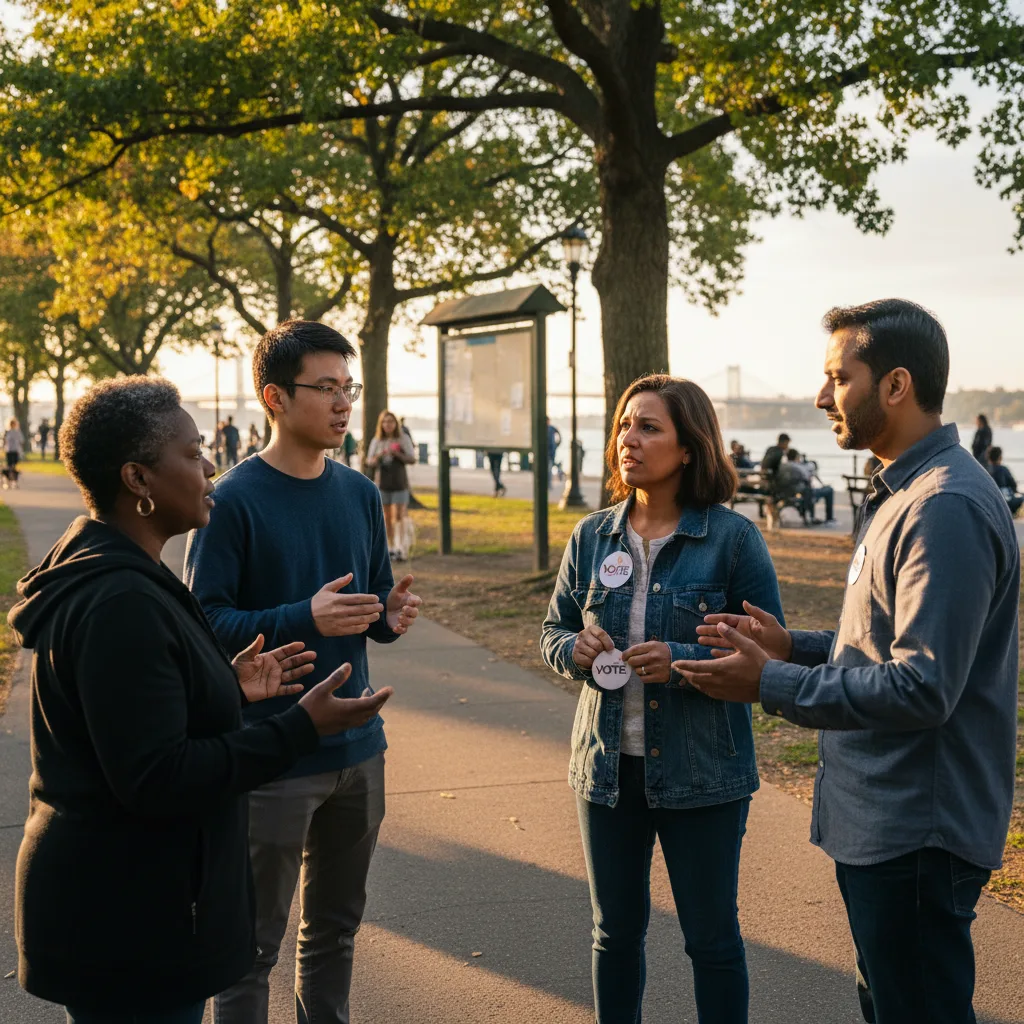
Queens residents are actively discussing the Supreme Court’s decision, with conversations focusing on voting rights and trust in government processes. In a borough known for its diverse political landscape, the ruling sparks varied opinions on whether it will prevent fraud or create barriers for legitimate voters.
Along Cross Bay Boulevard, local debates are likely to reflect concerns about access to the ballot box, especially in communities with large immigrant populations. The discussion often centers on the practical implications for first-time voters and those navigating complex citizenship statuses.
Database Implementation and Election Administration Challenges
The implementation of a citizenship database presents immediate challenges for state and local election administrations. Officials will need to integrate the new system while ensuring compliance with federal and state election laws.
This ruling could require significant adjustments to voter registration protocols and procedures for challenging voter eligibility. Election administrators are working to clarify guidelines to ensure a smooth and equitable election process.
Historical Context of Voter ID and Access Debates
Debates over voter identification and access have a long history in the United States, often intensifying before major elections. Past discussions have covered various measures, from photo ID requirements to proof of residency, each facing scrutiny over its potential impact on different demographics.
This latest ruling adds another layer to an already complex legal and political environment surrounding election integrity. Advocates for both sides cite concerns about fairness and security, underscoring the deep divisions within the electorate.
Impact on Voter Turnout and Future Elections in New York
The Supreme Court's decision could influence voter turnout in future elections, particularly in states with high numbers of naturalized citizens. New York, a state with a diverse population, will closely watch how the database affects registration numbers and voter participation.
Organizations focused on voter education and advocacy are stepping up efforts to inform the public about any changes to election procedures. The ruling highlights the ongoing evolution of election law and its direct effect on democratic participation. This political development could further shape local conversations, similar to how Trump-Xi meeting sparks local debate on Cross Bay Boulevard economy.
Frequently Asked Questions
What is the Supreme Court's ruling on the citizenship database?
The Supreme Court allowed states to use a citizenship database to verify voter eligibility ahead of the midterms. This decision puts new emphasis on voting rules and election access, generating debate about its impact on the fairness and administration of upcoming elections.
How might this ruling affect residents along Cross Bay Boulevard?
Residents along Cross Bay Boulevard, particularly in diverse communities with large immigrant populations, may see heightened discussions about voter rights and election integrity. Concerns could arise regarding the potential for legitimate voters to face additional hurdles in casting their ballots, leading to increased local advocacy.
What are the next steps for election officials regarding this database?
Election officials must now work to integrate the citizenship database into their existing voter verification processes while ensuring compliance with all relevant laws. They will also need to clarify procedures for voter registration and eligibility challenges, potentially adjusting guidelines to accommodate the new system before the midterms.
Written by
Newstrix
Cross Bay News
Related Articles
More in Government & Politics →
US Supreme Court Upholds Trump's 3rd-Country Deportation Policy
The US Supreme Court allowed Trump's 3rd-country deportations, intensifying immigration debate. Cross Bay Boulevard residents voice concerns over impact on families and due process.
Cross Bay Boulevard Residents Split on White House CNN Ban 2026
White House bars CNN from Trump's Air Force One flight, sparking debate among Cross Bay Boulevard residents about press freedom and political actions.
US, Denmark, Greenland Ink Arctic Security Deal Amid Rising Tensions
US, Denmark, and Greenland sign Arctic security deal amid rising tensions. Cross Bay Boulevard residents react with weariness, connecting global instability to local concerns.
Queens Residents Debate Trump's $2.8 Billion Munitions Sale to Israel
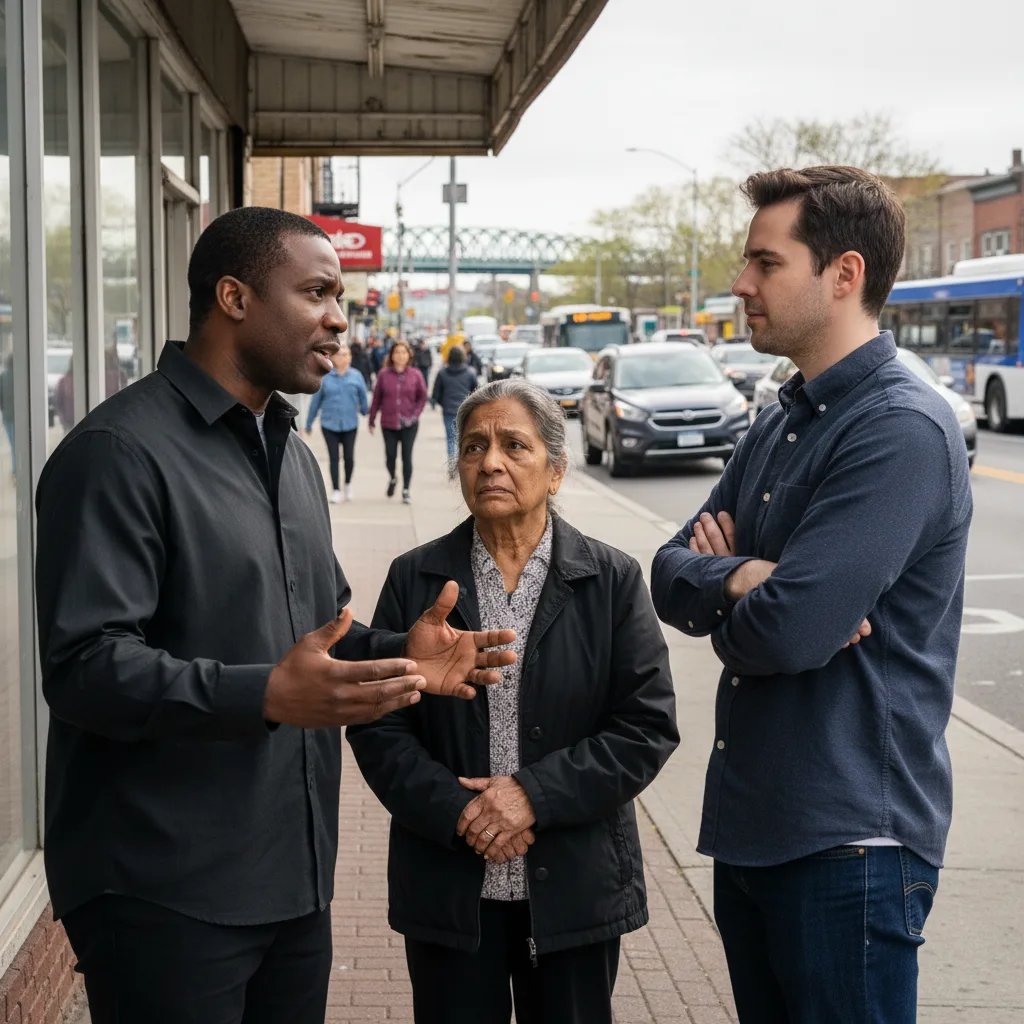
Queens residents along Cross Bay Boulevard intensely debate the Trump administration's $2.8 billion munitions sale to Israel, discussing U.S. involvement and humanitarian impact.
Former Kosovo President Thaçi Sentenced to 25 Years, Queens Reacts
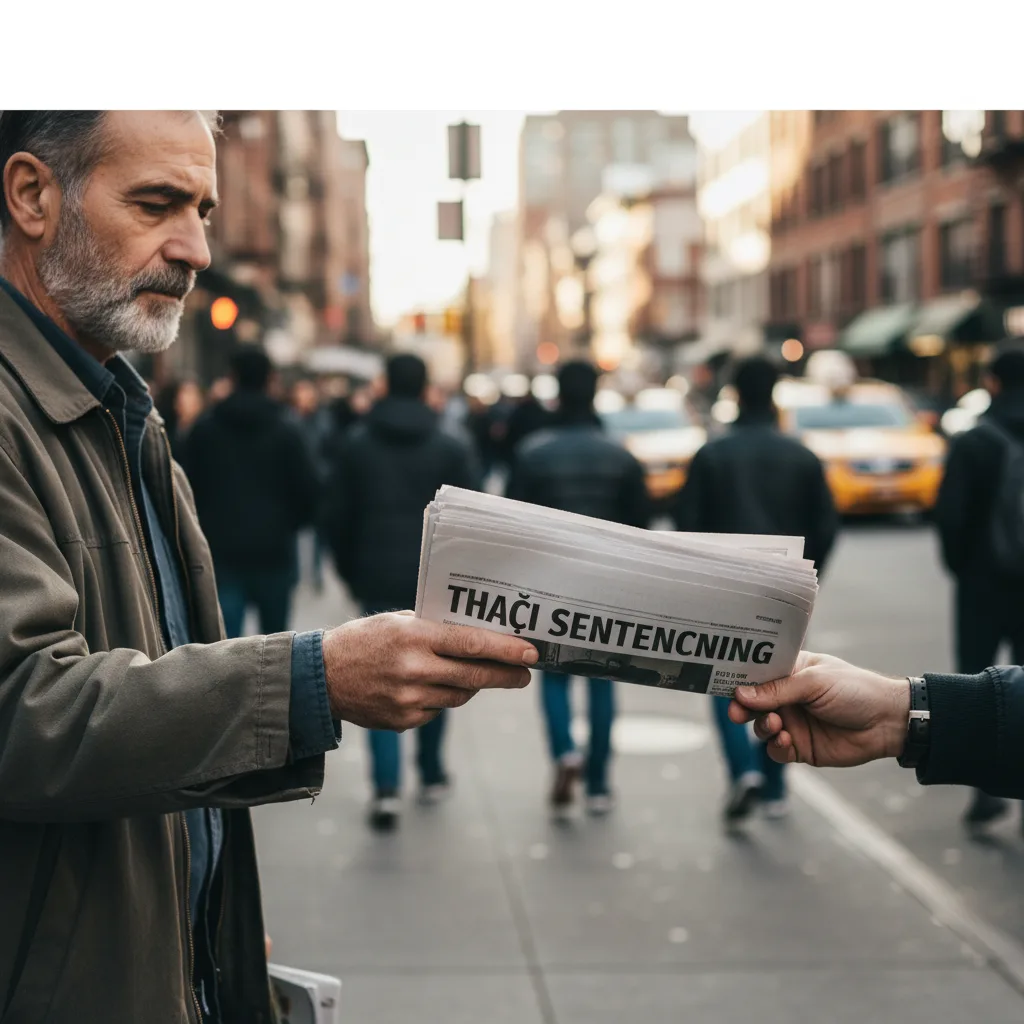
Former Kosovo President Hashim Thaçi was sentenced to 25 years for war crimes. Queens residents with Balkan ties react to the verdict, debating justice and accountability.
Houthis Launch Missile and Drone Attack on Saudi Military Base, Queens Reacts
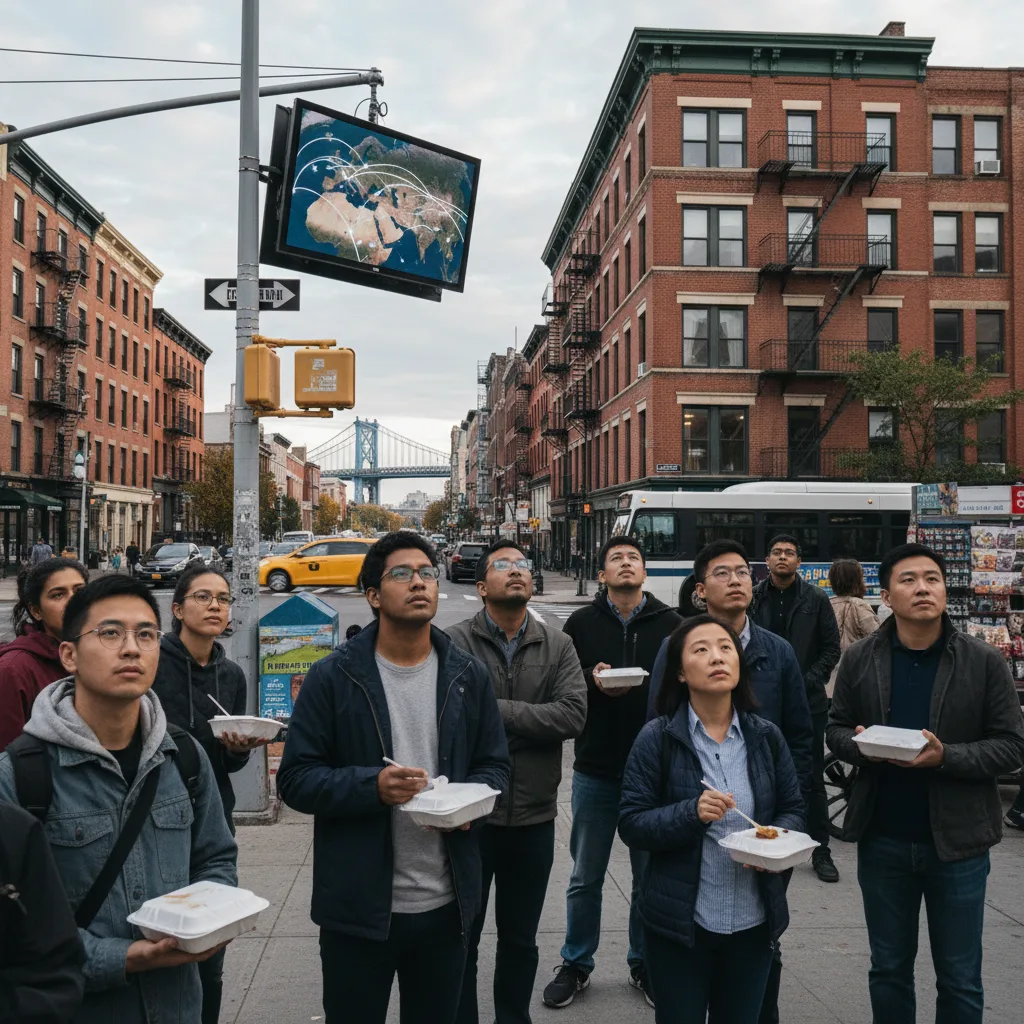
Houthi forces attacked a Saudi military base with missiles and drones, escalating Middle East tensions. Queens residents fear wider conflict and local impact.