


Howard Beach Grapples with Renewed Nor'easter Flooding in 2026

NEW YORK — Hamilton Beach and Howard Beach residents experienced renewed coastal flooding this week as a September nor’easter pushed water into low-lying streets and homes, according to Cross Bay News. This event marks another instance of significant water intrusion for these vulnerable Queens neighborhoods, prompting ongoing concerns about infrastructure resilience.
Persistent Flooding Challenges for Howard Beach
The recent nor'easter brought another round of substantial flooding to the coastal communities of Howard Beach and Hamilton Beach. Residents along the Cross Bay corridor woke to inundated streets and water seeping into properties, a familiar and distressing scene. The consistent nature of these events highlights the long-standing vulnerability of these areas to coastal weather phenomena.
For years, these neighborhoods have been on the front lines of climate-related challenges, grappling with the impacts of rising sea levels and intensified storm surges. The latest nor'easter serves as a stark reminder of the urgent need for comprehensive flood mitigation strategies that protect homes and businesses in these exposed Queens areas. The impact on daily life for residents in areas like Hamilton Beach can be severe.
Residents Voice Frustration Over Recurring Damage
Many residents in Howard Beach have expressed frustration and exhaustion over the recurring damage to their homes and property. Each significant storm brings with it the specter of costly repairs, lost belongings, and prolonged disruption to daily routines. The emotional toll of constantly preparing for, enduring, and recovering from floods is considerable for families in these waterfront communities.
Local community leaders have consistently advocated for increased governmental support and investment in protective infrastructure. They stress that temporary measures are insufficient against the relentless forces of nature. The call for permanent, robust solutions grows louder with each new weather event, as detailed in previous reports about nor'easter floods impacting Cross Bay Boulevard commuters.
City's Response to Queens Coastal Vulnerability
City agencies, including the Department of Environmental Protection (DEP) and the Office of Emergency Management (OEM), have acknowledged the heightened vulnerability of Queens' coastal areas. While some projects, such as seawall enhancements and wetland restorations, are underway or planned, residents argue the pace is too slow given the immediate and ongoing threats. The nor'easter's impact underscores this urgency.
Official statements from city representatives often emphasize long-term planning and resilience initiatives, yet residents on the ground seek more immediate, tangible protections. The disconnect between policy timelines and the rapid onset of storm impacts creates a critical need for accelerated action. These communities need to see physical barriers and improved drainage systems in place soon.
Historical Context of Queens Coastal Flooding
Coastal Queens neighborhoods, particularly those bordering Jamaica Bay, have a long history of susceptibility to flooding. Major storms like Superstorm Sandy in 2012 brought widespread devastation, initiating a period of increased awareness and some protective measures. However, even less severe weather events now cause significant disruption, suggesting an ongoing challenge that predates current climate patterns.
The continued flooding indicates that existing infrastructure, much of it decades old, is no longer adequate to protect against contemporary weather patterns. Local historical records confirm that while flooding has always been a concern, its frequency and intensity have markedly increased in recent decades. This trend necessitates a re-evaluation of long-term urban planning and environmental management for the region.
Future Mitigation Efforts and Community Engagement
Moving forward, sustained collaboration between city officials and community stakeholders is crucial for developing effective flood mitigation strategies. This includes not only large-scale infrastructure projects but also community-based preparedness and early warning systems. Regular engagement with affected residents can help tailor solutions to specific neighborhood needs and ensure they are practical and effective.
Advocacy groups in Howard Beach continue to push for accelerated funding and implementation of these projects, emphasizing the need for comprehensive solutions that address both storm surge and tidal flooding. The community remains vigilant, preparing for future events while urging decisive governmental action to secure their homes and livelihoods against the increasing threat of coastal inundation. Information on local emergency preparedness is often shared through community news outlets.
Frequently Asked Questions
What are the main causes of increased flooding in Howard Beach?
The main causes of increased flooding in Howard Beach include its low-lying coastal geography, proximity to Jamaica Bay, and the impacts of climate change, such as rising sea levels and more frequent, intense storm surges. Outdated or insufficient drainage infrastructure further exacerbates the problem, leading to rapid inundation of streets and homes during significant weather events like nor'easters.
What measures are being taken to protect Howard Beach from future flooding?
To protect Howard Beach from future flooding, city agencies are pursuing a combination of infrastructure projects, including seawall construction, wetland restoration, and improvements to drainage systems. These initiatives aim to create natural and engineered barriers against storm surges and improve water management. However, residents continue to advocate for faster implementation and more comprehensive solutions to address the recurring issues.
How can Howard Beach residents prepare for future nor'easters?
Howard Beach residents can prepare for future nor'easters by securing their homes, elevating essential appliances, keeping emergency kits stocked, and staying informed through local news and official weather alerts. It is also advisable to create an evacuation plan, have sandbags readily available, and ensure proper insurance coverage. Community preparedness meetings often provide specific local guidance on these measures.
Written by
Newstrix
Cross Bay News
Related Articles
More in Health & Weather →Queens Nor'easter Topples Trees, Floods Cross Bay Boulevard 2026
A nor'easter in late 2026 toppled trees and flooded streets across Queens, causing significant disruption in southeast neighborhoods and affecting Cross Bay Boulevard commuters. Power outages and traffic delays were widespread.
Russian Plague Institute Worker Dies After Unexplained Illness
A worker at a Siberian anti-plague institute died from an unexplained respiratory illness on Oct 6, 2026. WHO assesses low public risk.

WHO Assesses Low Public Health Risk After Russian Plague Death
WHO assesses low public health risk after a worker at a Russian plague institute died on October 6, 2026. Quarantine measures enacted, but no widespread threat is expected.
Nor'easter Floods Queens Streets, Impacts Cross Bay Boulevard Commuters
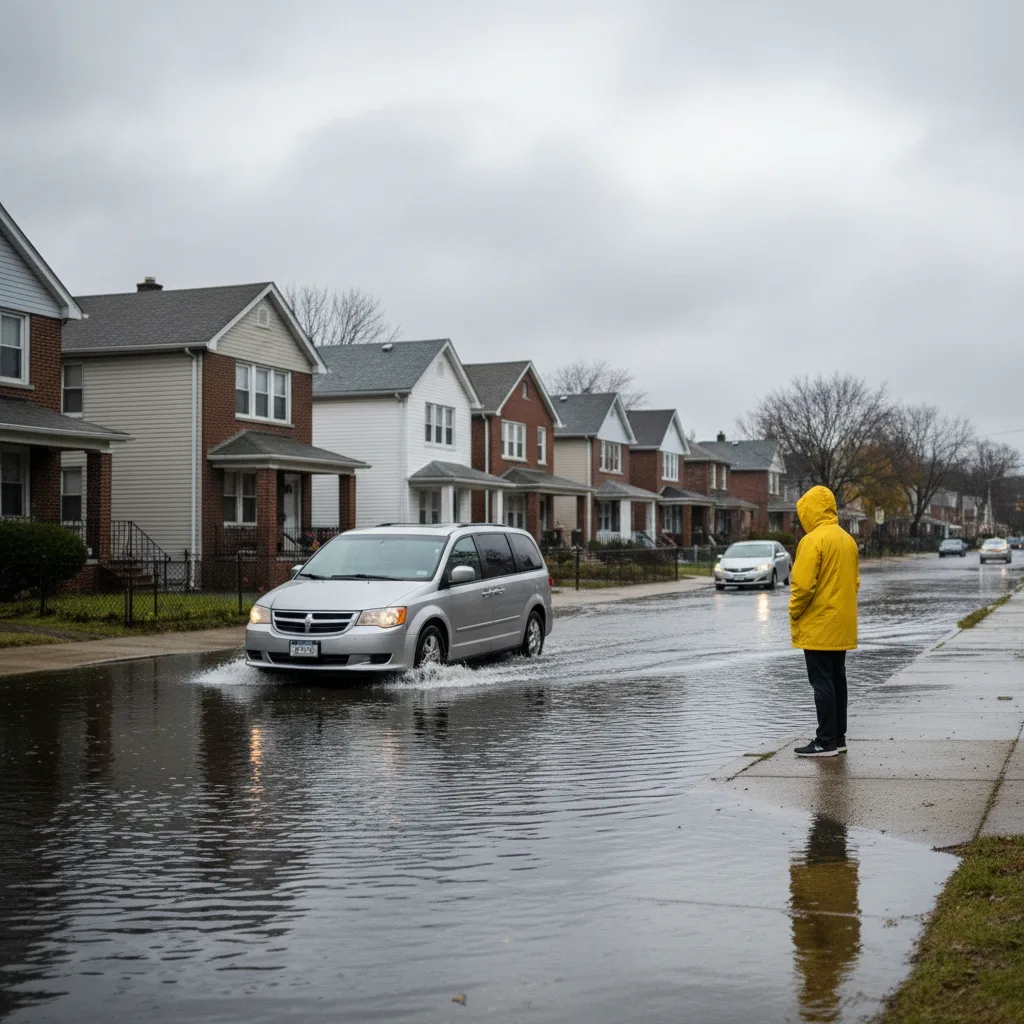
A nor'easter caused extensive flooding and tree damage across Queens in late 2026, severely disrupting Cross Bay Boulevard commuters. The storm highlights local infrastructure vulnerabilities.
Understanding the Weather in Montego Bay, Jamaica: A Guide for Queens Travelers
Planning a trip from Queens to Montego Bay, Jamaica? Understand the tropical weather, hurricane season, and best times to visit for a smooth trip.
Your Essential Guide to Sandals Jamaica Montego Bay for Queens Travelers
Planning a luxurious escape? Our guide to Sandals Jamaica Montego Bay helps Queens residents plan the perfect all-inclusive, adults-only Caribbean getaway.