


WHO Assesses Low Public Health Risk After Russian Plague Death

NEW YORK — The World Health Organization (WHO) stated on October 6, 2026, that the public health risk appeared low after a worker at a plague research institute in Siberia died, according to Strait Times. The incident prompted quarantine measures but officials indicate no widespread threat to the general population.
Russian Plague Institute Worker Dies, Quarantine Enacted
A worker at a high-security plague research institute in Siberia tragically died, leading to immediate public health protocols. The incident occurred at the State Research Center of Virology and Biotechnology, known as Vector, which houses samples of dangerous pathogens. Authorities quickly initiated quarantine measures for individuals who had come into contact with the deceased to prevent any potential spread.
The death sparked concern among the public, particularly online, regarding the potential for a broader public health crisis. Vector is one of the world's largest biological research facilities, and any incident there naturally draws global attention. Local health officials in Siberia moved swiftly to contain the situation and reassure the public that precautions were in place.
WHO Declaration on Low Public Health Threat
The World Health Organization carefully assessed the situation and released a statement indicating that the available information suggested a low risk to the general population. This assessment helps to calm anxieties and provides an expert global perspective on the localized incident. The WHO's declaration is based on data provided by Russian authorities and its own risk evaluation protocols.
WHO officials emphasized that plague is a treatable disease, especially when identified early, and that transmission typically requires direct contact with infected animals or individuals, or through flea bites. The isolated nature of the incident within a controlled research environment contributed to the low-risk assessment. This stands in contrast to past global health scares, affirming the current situation is contained.
Strict Biosafety Protocols at Vector Institute
The Vector Institute operates under extremely stringent biosafety protocols, given its work with highly pathogenic agents like the plague bacterium. These protocols are designed to prevent accidental exposure and contain any potential biological releases. The incident will likely prompt a review of these procedures to identify any possible gaps, even in a facility known for its rigorous standards.
Research institutes handling dangerous pathogens are routinely subject to international oversight and internal audits to ensure compliance with biosafety levels. The rapid implementation of quarantine and containment measures following the worker's death demonstrates the institute's preparedness. Such facilities are critical for vaccine development and understanding infectious diseases, but their operations carry inherent risks.
Historical Context of Plague and Public Health
Plague has a long and devastating history, responsible for some of the deadliest pandemics in human history. However, modern medical advancements, including antibiotics, have significantly reduced its mortality rate and the likelihood of widespread outbreaks. Surveillance systems and rapid response protocols are now standard practice globally to manage potential cases. The disease is endemic in some wildlife populations across various parts of the world, including areas of Russia.
Public health authorities globally maintain vigilance against all infectious diseases, including those with historical significance. The incident in Siberia serves as a reminder of the ongoing need for robust public health infrastructure, disease surveillance, and rapid intervention when rare diseases emerge, even in controlled laboratory settings. Constant monitoring is crucial for preventing broader public health threats.
Global Health Security and International Cooperation
The incident underscores the importance of global health security and transparent international cooperation in managing biological risks. When events involving dangerous pathogens occur, timely information sharing between national authorities and international bodies like the WHO is crucial for accurate risk assessment and coordinated response. This collaboration helps build trust and prevent misinformation.
Maintaining strong biosafety and biosecurity measures at research facilities worldwide is a shared international responsibility. Such incidents, while rare, highlight the need for continuous investment in public health infrastructure and scientific collaboration to protect populations from both natural outbreaks and potential laboratory incidents. This commitment helps safeguard global health, a lesson learned from events like the Jamaica Bay bodies sparking public safety concerns.
Frequently Asked Questions
What is plague and how is it typically transmitted?
Plague is a serious infectious disease caused by the bacterium Yersinia pestis. It is typically transmitted to humans through the bites of infected fleas that live on rodents like rats, or by direct contact with infected animal tissues. Less commonly, it can spread through respiratory droplets from people or animals with pneumonic plague. Modern antibiotics are effective in treating it if caught early.
What measures are taken when a worker at a high-security lab is exposed to a dangerous pathogen?
When a worker at a high-security lab is exposed to a dangerous pathogen, immediate measures include isolating the individual, administering prophylactic treatment if available, and monitoring for symptoms. All contacts of the exposed person are identified, notified, and placed under surveillance or quarantine as a precaution. The lab conducts an internal investigation into the incident, and biosafety protocols are reviewed to prevent recurrence.
Why is the WHO's assessment of public health risk important in such cases?
The WHO's assessment of public health risk is crucial because it provides an independent, expert evaluation that helps inform global public health responses and prevent panic. Their assessment, based on available scientific data and international standards, guides national health authorities, clarifies the actual threat level to the general population, and helps coordinate international responses if needed. It ensures a consistent, evidence-based approach to potential global health concerns.
Written by
Newstrix
Cross Bay News
Related Articles
More in Health & Weather →
Queens Nor'easter Topples Trees, Floods Cross Bay Boulevard 2026
A nor'easter in late 2026 toppled trees and flooded streets across Queens, causing significant disruption in southeast neighborhoods and affecting Cross Bay Boulevard commuters. Power outages and traffic delays were widespread.
Russian Plague Institute Worker Dies After Unexplained Illness
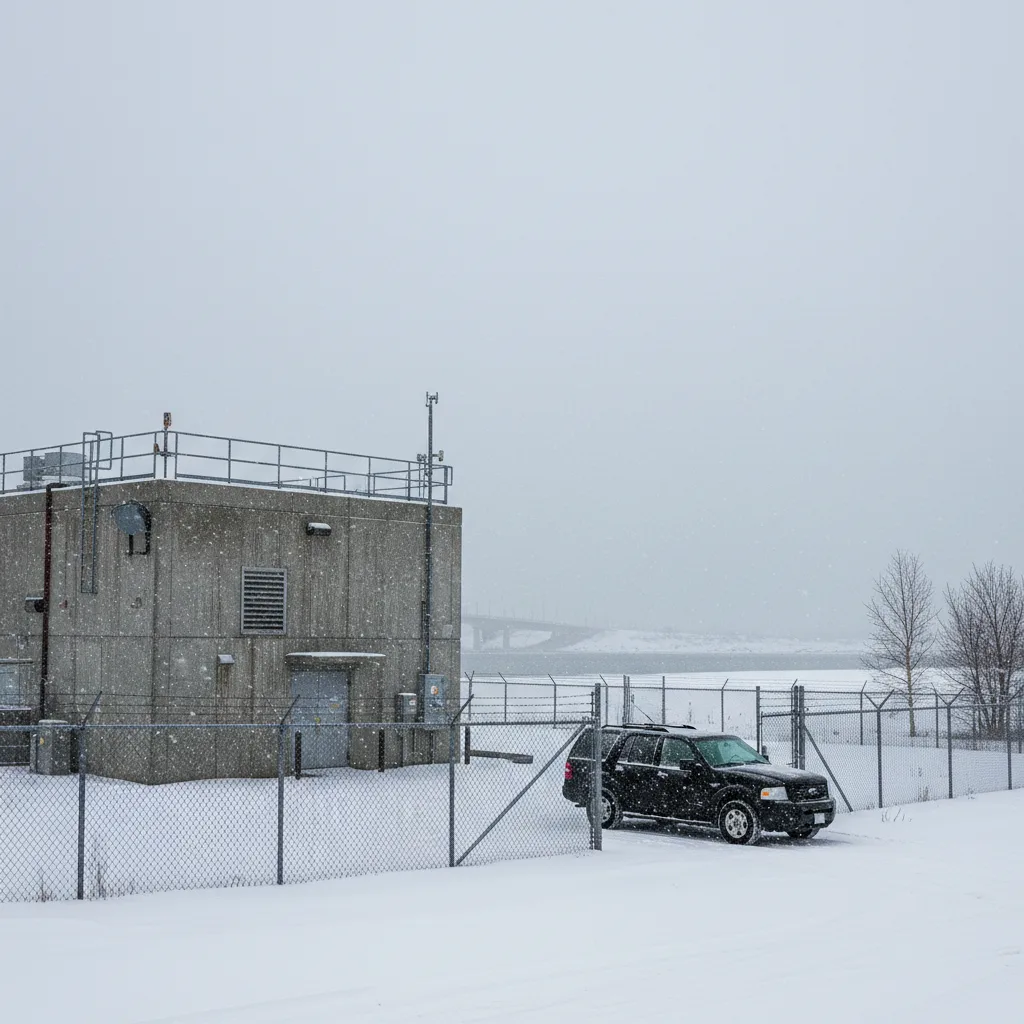
A worker at a Siberian anti-plague institute died from an unexplained respiratory illness on Oct 6, 2026. WHO assesses low public risk.
Howard Beach Grapples with Renewed Nor'easter Flooding in 2026
Howard Beach and Hamilton Beach experienced renewed coastal flooding from a September nor'easter in 2026. Residents face repeated property damage, demanding city action.
Nor'easter Floods Queens Streets, Impacts Cross Bay Boulevard Commuters
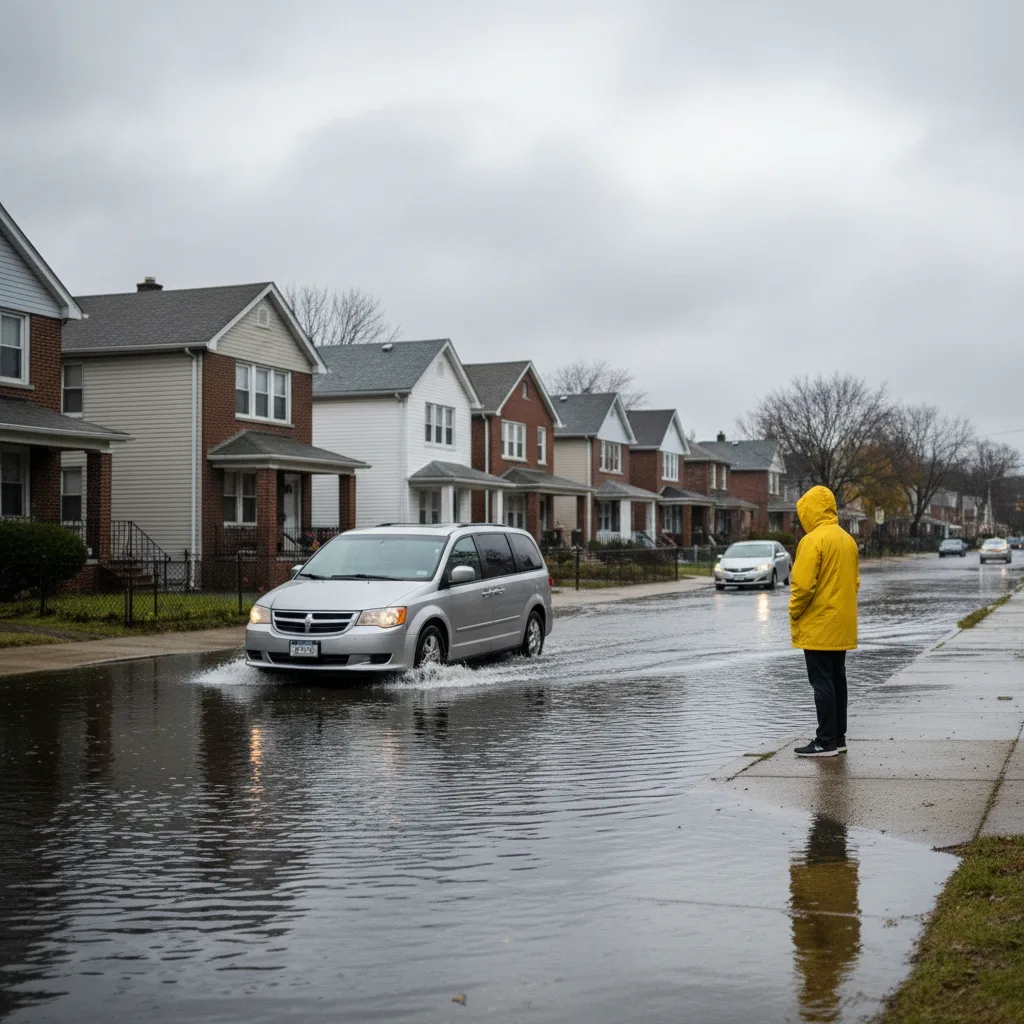
A nor'easter caused extensive flooding and tree damage across Queens in late 2026, severely disrupting Cross Bay Boulevard commuters. The storm highlights local infrastructure vulnerabilities.
Understanding the Weather in Montego Bay, Jamaica: A Guide for Queens Travelers
Planning a trip from Queens to Montego Bay, Jamaica? Understand the tropical weather, hurricane season, and best times to visit for a smooth trip.

Your Essential Guide to Sandals Jamaica Montego Bay for Queens Travelers
Planning a luxurious escape? Our guide to Sandals Jamaica Montego Bay helps Queens residents plan the perfect all-inclusive, adults-only Caribbean getaway.