


Russian Plague Institute Worker Dies After Unexplained Illness
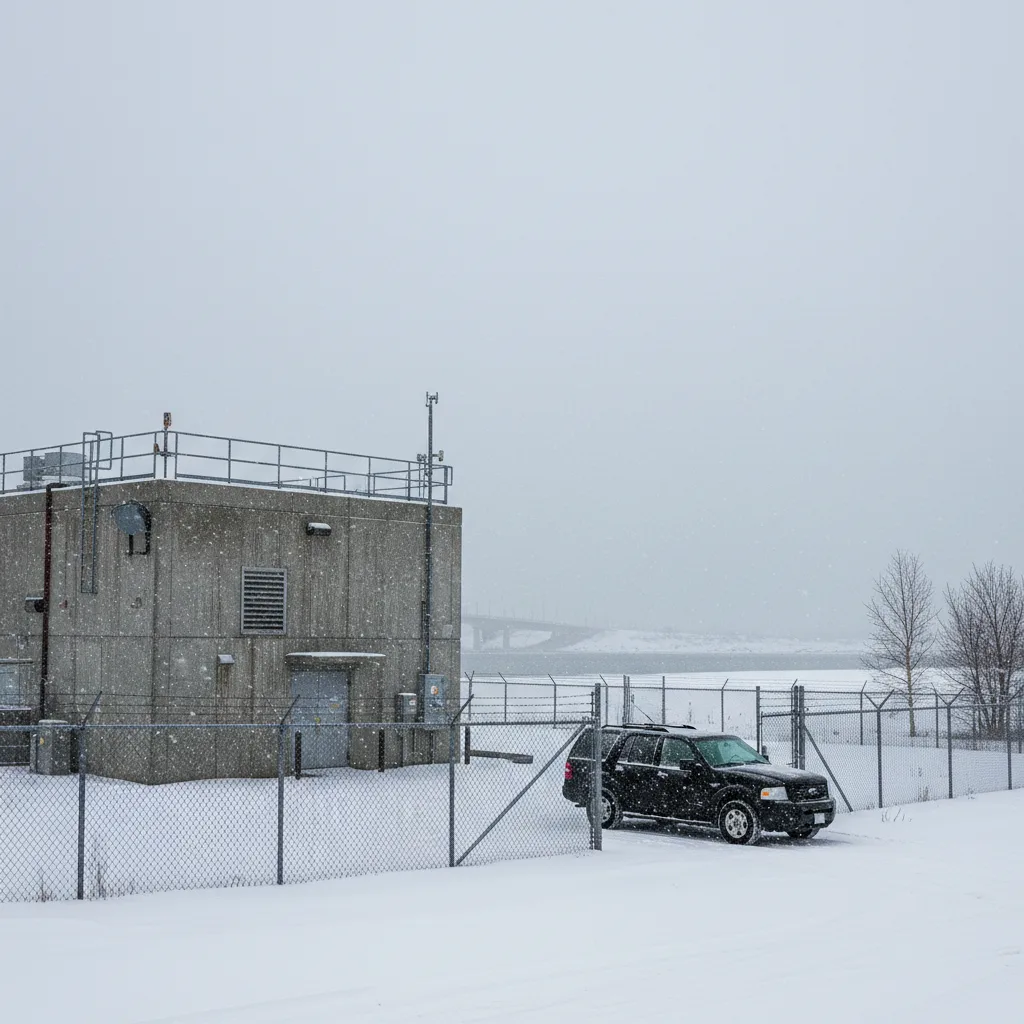
NEW YORK — A worker at a Siberian anti-plague institute reportedly died after an unexplained respiratory illness on Tuesday, October 6, 2026, prompting an investigation and public-health scrutiny, according to Euronews. The World Health Organization (WHO) stated that the general public risk appeared low, based on currently available information.
Unexplained Illness at Siberian Plague Institute
The incident occurred at a high-security anti-plague research institute in Siberia, where a staff member succumbed to a mysterious respiratory illness. The specific nature of the illness remains under investigation, sparking immediate concern within the scientific and public health communities.
Authorities have initiated a thorough inquiry into the circumstances surrounding the death, including a review of safety protocols and laboratory procedures. The facility is known for its research into dangerous pathogens.
World Health Organization Assesses Low Public Risk
The World Health Organization (WHO) has been monitoring the situation closely. A preliminary assessment by the WHO indicated that the risk to the general public outside the institute appeared low, based on the limited information provided by Russian authorities.
This assessment aims to alleviate widespread panic while ensuring that necessary precautions are being taken. The WHO emphasizes the importance of transparency and data sharing in such sensitive public health matters.
Cross Bay Boulevard Residents Reflect on Global Health Security
While geographically distant, events like this spark conversations among Cross Bay Boulevard residents and within the broader Queens community about global health security and preparedness. The memory of past epidemics often brings a heightened awareness of such incidents.
Discussions revolve around the potential for infectious diseases to spread globally and the importance of robust international health monitoring systems. The incident serves as a reminder of the constant vigilance required in disease prevention.
Investigation Underway and Public Health Scrutiny
The investigation into the worker's death is comprehensive, involving medical professionals, epidemiologists, and security experts. The goal is to determine the cause of death, identify any potential exposure pathways, and prevent similar incidents.
Public health officials are scrutinizing laboratory safety standards and worker protection measures at the institute. Ensuring the highest levels of biosecurity is paramount when dealing with highly contagious or dangerous pathogens.
Historical Context of Research Institute Incidents
Incidents involving unexplained illnesses or accidental exposures at research facilities, particularly those dealing with infectious diseases, are rare but not unprecedented. Such events typically lead to a re-evaluation of safety protocols and enhanced training for personnel.
The global scientific community continually works to balance the critical need for pathogen research with stringent safety measures to prevent accidental release. The WHO often provides guidelines for such facilities. The WHO assessed low public health risk after a Russian plague death earlier in 2026, demonstrating consistent international monitoring.
Frequently Asked Questions
What caused the worker's death at the Siberian anti-plague institute?
The worker at the Siberian anti-plague institute died after an unexplained respiratory illness, the exact cause of which is currently under investigation. Authorities are conducting a thorough inquiry to determine the nature of the illness and any potential exposures.
How concerned should the general public be about this incident?
The World Health Organization (WHO) has assessed that the general public risk from this incident appears low, based on the limited information available. While the situation is being closely monitored, the immediate threat is considered contained within the research facility.
How does this event relate to Cross Bay Boulevard and Queens residents?
While the incident occurred in Siberia, it underscores global health security issues that resonate with Cross Bay Boulevard and Queens residents, sparking discussions about disease prevention and the importance of international health monitoring. It highlights the interconnectedness of global public health concerns.
Written by
Newstrix
Cross Bay News
Related Articles
More in Health & Weather →
Queens Nor'easter Topples Trees, Floods Cross Bay Boulevard 2026
A nor'easter in late 2026 toppled trees and flooded streets across Queens, causing significant disruption in southeast neighborhoods and affecting Cross Bay Boulevard commuters. Power outages and traffic delays were widespread.
WHO Assesses Low Public Health Risk After Russian Plague Death
WHO assesses low public health risk after a worker at a Russian plague institute died on October 6, 2026. Quarantine measures enacted, but no widespread threat is expected.
Howard Beach Grapples with Renewed Nor'easter Flooding in 2026
Howard Beach and Hamilton Beach experienced renewed coastal flooding from a September nor'easter in 2026. Residents face repeated property damage, demanding city action.
Nor'easter Floods Queens Streets, Impacts Cross Bay Boulevard Commuters
A nor'easter caused extensive flooding and tree damage across Queens in late 2026, severely disrupting Cross Bay Boulevard commuters. The storm highlights local infrastructure vulnerabilities.

Understanding the Weather in Montego Bay, Jamaica: A Guide for Queens Travelers
Planning a trip from Queens to Montego Bay, Jamaica? Understand the tropical weather, hurricane season, and best times to visit for a smooth trip.

Your Essential Guide to Sandals Jamaica Montego Bay for Queens Travelers
Planning a luxurious escape? Our guide to Sandals Jamaica Montego Bay helps Queens residents plan the perfect all-inclusive, adults-only Caribbean getaway.