


Nor'easter Floods Queens Streets, Impacts Cross Bay Boulevard Commuters
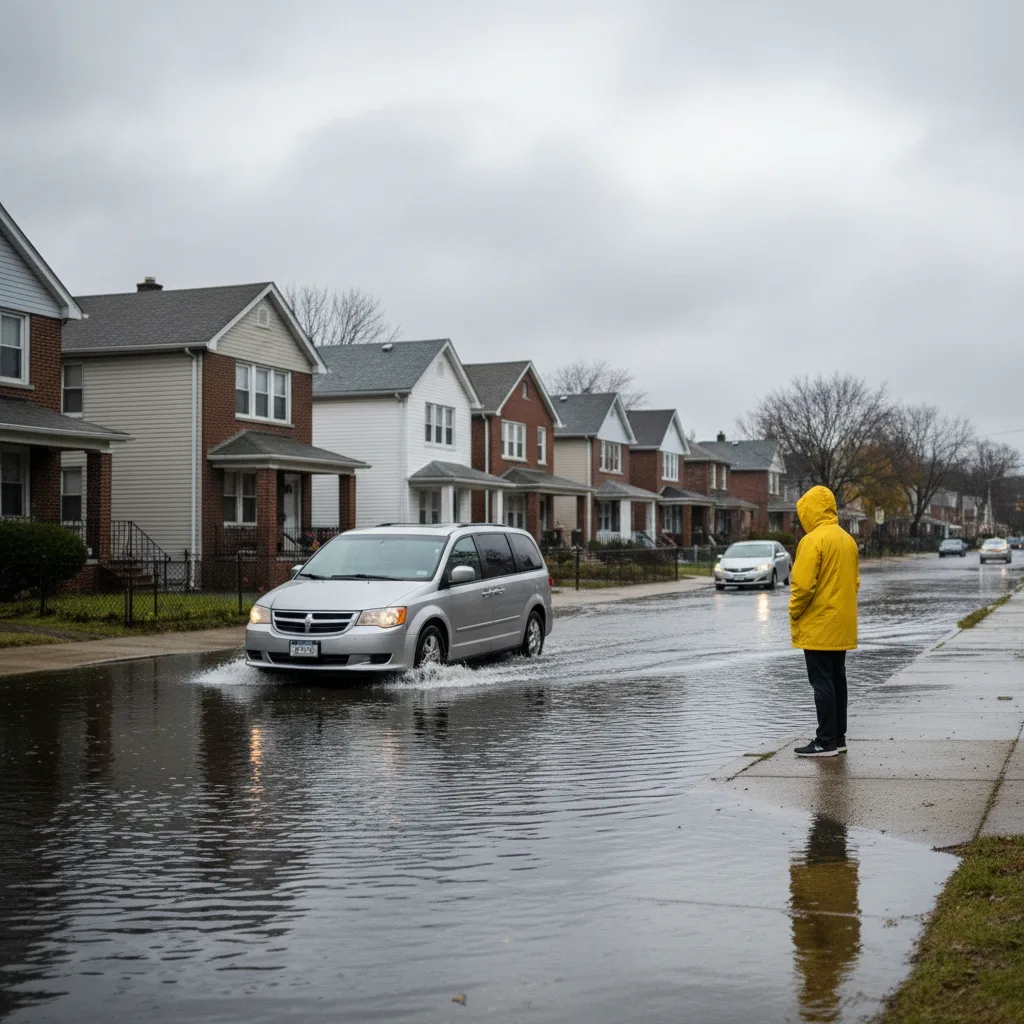
NEW YORK — A nor'easter toppled trees and flooded streets across Queens in late 2026, causing significant disruption in southeast neighborhoods and affecting Cross Bay Boulevard commuters, according to the Cross Bay Current. The severe weather event brought heavy rains and strong winds, leading to widespread power outages and hazardous driving conditions. This storm highlights the ongoing vulnerability of low-lying areas in Queens to extreme weather.
Widespread Flooding Across Southeast Queens
The nor'easter brought torrential rains that rapidly inundated streets in several southeast Queens neighborhoods, as reported by the Cross Bay Current. Floodwaters made many roads impassable, trapping vehicles and forcing residents to alter their daily routines. The impact was particularly severe in areas prone to drainage issues, causing significant inconvenience for local communities.
Emergency services were stretched thin, responding to numerous calls for assistance related to flooding and downed trees. The storm's intensity led to rapid accumulation of water, transforming familiar streets into temporary canals. This situation underscores the need for robust stormwater management infrastructure throughout Queens.
Cross Bay Boulevard Commuters Face Major Delays
Commuters relying on Cross Bay Boulevard experienced significant delays and disruptions due to flooded roadways and fallen debris. This crucial artery connecting mainland Queens to the Rockaways became particularly challenging to navigate, extending travel times for thousands of daily travelers. The impact was felt during both morning and evening rush hours.
Traffic was diverted in several sections, with authorities advising residents to avoid non-essential travel. The storm's effect on this key transportation route highlights the vulnerability of the local commuting network to severe weather events. Cross Bay Boulevard commuters faced major traffic delays after a cyclist fatality earlier this year, showing ongoing road challenges.
Property Damage and Power Outages Reported
Beyond the immediate travel chaos, the nor'easter caused considerable property damage across Queens. Strong winds uprooted numerous trees, which then fell onto homes, vehicles, and power lines. Thousands of residents experienced power outages, some lasting for extended periods, complicating recovery efforts. The clean-up operation is expected to be extensive and costly.
Local authorities are working to assess the full extent of the damage and coordinate repair efforts for both infrastructure and residential properties. Utility crews are laboring to restore electricity to all affected areas, prioritizing critical services. This storm brought a significant challenge to the electrical grid.
Howard Beach and Broad Channel Among Hardest Hit
Neighborhoods such as Howard Beach and Broad Channel, known for their proximity to Jamaica Bay, were among the hardest hit by the nor'easter's flooding. These low-lying communities are particularly susceptible to tidal surges and heavy rainfall, which overwhelm existing drainage systems. Residents in these areas often face the brunt of severe weather.
Many residents reported water entering their homes and basements, causing extensive damage to personal belongings. The repeated nature of such events has fueled calls for long-term flood mitigation strategies and increased investment in coastal defenses. The community is seeking sustainable solutions to protect their homes.
Future Weather Preparedness for Queens
The late 2026 nor'easter serves as a stark reminder for Queens residents and local government to enhance future weather preparedness. Experts are calling for updated emergency response plans, improved infrastructure resilience, and greater public awareness campaigns about flood safety. Investing in preventative measures can significantly reduce future impacts.
Community leaders are advocating for a comprehensive review of local drainage systems and protective barriers, especially in vulnerable coastal zones. Preparing for more frequent and intense weather events is becoming an increasingly critical aspect of urban planning in New York City. The city is considering various proactive climate adaptation strategies.
Frequently Asked Questions
What caused the widespread flooding in Queens?
The widespread flooding in Queens in late 2026 was caused by a severe nor'easter that brought heavy torrential rains and strong winds, according to the Cross Bay Current. The intense rainfall quickly overwhelmed drainage systems, especially in low-lying southeast neighborhoods, leading to significant street and property inundation. This was a classic severe weather event for the region.
How did the nor'easter affect Cross Bay Boulevard transportation?
Cross Bay Boulevard commuters faced major delays and disruptions due to flooded roadways and fallen trees caused by the nor'easter. The critical thoroughfare became difficult to traverse, impacting thousands of daily travelers and necessitating traffic diversions. Authorities advised residents to avoid non-essential travel during the peak of the storm.
What steps are being taken to address future flooding in Queens?
Local government and community leaders are discussing enhanced weather preparedness, including updated emergency response plans, improved infrastructure resilience, and flood mitigation strategies. There is a focus on reviewing and upgrading drainage systems and coastal defenses in vulnerable areas like Howard Beach and Broad Channel to better withstand future severe weather events.
Written by
Newstrix
Cross Bay News
Related Articles
More in Health & Weather →
Queens Nor'easter Topples Trees, Floods Cross Bay Boulevard 2026
A nor'easter in late 2026 toppled trees and flooded streets across Queens, causing significant disruption in southeast neighborhoods and affecting Cross Bay Boulevard commuters. Power outages and traffic delays were widespread.
Russian Plague Institute Worker Dies After Unexplained Illness
A worker at a Siberian anti-plague institute died from an unexplained respiratory illness on Oct 6, 2026. WHO assesses low public risk.
WHO Assesses Low Public Health Risk After Russian Plague Death
WHO assesses low public health risk after a worker at a Russian plague institute died on October 6, 2026. Quarantine measures enacted, but no widespread threat is expected.
Howard Beach Grapples with Renewed Nor'easter Flooding in 2026
Howard Beach and Hamilton Beach experienced renewed coastal flooding from a September nor'easter in 2026. Residents face repeated property damage, demanding city action.
Understanding the Weather in Montego Bay, Jamaica: A Guide for Queens Travelers
Planning a trip from Queens to Montego Bay, Jamaica? Understand the tropical weather, hurricane season, and best times to visit for a smooth trip.
Your Essential Guide to Sandals Jamaica Montego Bay for Queens Travelers
Planning a luxurious escape? Our guide to Sandals Jamaica Montego Bay helps Queens residents plan the perfect all-inclusive, adults-only Caribbean getaway.