


Cross Bay Blvd: March 2026 Storm Causes Severe Traffic Delays

NEW YORK — A powerful rainstorm swept through Queens in early March 2026, causing significant traffic delays and hazardous driving conditions along Cross Bay Boulevard. Commuters faced prolonged congestion and reduced visibility for several hours, particularly during the morning rush. The severe weather event prompted multiple advisories from city agencies, urging residents to exercise extreme caution or avoid non-essential travel in affected areas.
The Department of Transportation (DOT) reported numerous instances of standing water on key sections of the boulevard, which exacerbated the already challenging driving environment. According to a spokesperson for the DOT, crews were deployed to address localized flooding and ensure proper drainage, though the intensity of the downpour overwhelmed some existing infrastructure. This incident highlighted the vulnerability of major thoroughfares like Cross Bay Boulevard to sudden and heavy rainfall events.
Commuter Impact and Road Closures
Drivers attempting to navigate Cross Bay Boulevard during the peak of the storm reported delays exceeding two hours for commutes that typically take a fraction of that time. Many residents heading towards the Rockaways or points north experienced unprecedented gridlock. The New York Police Department (NYPD) confirmed several minor fender-benders attributed to the poor visibility and slick road surfaces, though no serious injuries were reported.
Public transportation also faced significant disruptions, with several MTA bus routes experiencing reroutes and delays due to impassable streets. The Q52 and Q53 express buses, critical links for Rockaway residents, were particularly affected. Passengers at various stops expressed frustration over the lack of timely updates and prolonged wait times in the inclement weather. For more details on local weather impacts, visit CrossBayCurrent.com.
Official Response and Emergency Measures
City emergency services, including the NYPD and FDNY, were on heightened alert throughout the storm. They responded to numerous calls for stalled vehicles and minor incidents across the borough, primarily concentrating efforts along low-lying areas and critical transportation arteries. Mayor Eric Adams issued a statement urging residents to heed weather warnings and prioritize safety above all else, emphasizing that emergency personnel were working diligently.
The Office of Emergency Management (OEM) advised residents to sign up for Notify NYC alerts for real-time updates on weather conditions and service disruptions. They also reminded property owners about the importance of clearing storm drains near their homes to prevent localized flooding. This proactive communication aimed to mitigate further complications arising from the severe weather system.
Historical Context of Queens Flooding
Queens, especially areas adjacent to waterways and low-lying coastal zones, has a documented history of flooding during severe rainstorms. Cross Bay Boulevard, which traverses marshlands and sits close to Jamaica Bay, is particularly susceptible to these conditions. Past events have demonstrated the need for robust stormwater management systems and continuous infrastructure upgrades to protect residents and maintain critical transportation links.
Environmental advocates have consistently called for greater investment in green infrastructure projects, such as permeable pavements and rain gardens, to help absorb excess stormwater. They argue that these natural solutions could significantly reduce runoff and alleviate pressure on the city's aging sewer systems during intense rainfall. This long-term planning is crucial for the resilience of communities like those along Cross Bay Boulevard.
Long-Term Infrastructure and Future Preparedness
Following the March 2026 storm, discussions among city planners and community board members have intensified regarding the long-term resilience of Cross Bay Boulevard's infrastructure. There is a renewed focus on identifying vulnerable sections of the roadway and developing comprehensive solutions for flood mitigation. These potential projects could include elevating certain road segments or enhancing existing drainage networks with advanced pumping stations.
Funding for such large-scale infrastructure improvements remains a critical point of discussion, with city and state officials exploring various avenues. Community groups are advocating for immediate action, emphasizing the recurrent nature of these weather events and their disruptive impact on daily life and local businesses. Residents are encouraged to participate in upcoming public forums to voice their concerns and contribute to finding viable solutions for the area.
Community Feedback and Adaptive Strategies
Local businesses along Cross Bay Boulevard reported a significant drop in foot traffic and deliveries during the storm, highlighting the economic consequences of such disruptions. Many business owners expressed concerns about the frequency of these weather-related issues and their potential impact on sustained commercial activity. They are exploring adaptive strategies, including enhanced communication with delivery services and customers, to minimize future losses.
Residents are also developing personal preparedness plans, including identifying alternative routes and securing their homes against potential water intrusion. Information sessions organized by community centers are providing guidance on emergency kits and flood insurance options. This collective effort underscores the community's determination to adapt to changing weather patterns and safeguard their livelihoods and properties effectively.
Frequently Asked Questions About Cross Bay Boulevard Storm Impacts
Many residents inquire about the specific causes of such severe traffic delays on Cross Bay Boulevard during heavy rain. The primary factors include reduced visibility, which forces drivers to slow down significantly, and the accumulation of standing water that can make parts of the roadway impassable. These conditions collectively contribute to bottlenecks and extended commute times, creating substantial disruption for local travel.
Another common question concerns what city agencies are doing to prevent future occurrences of this nature. The Department of Transportation is actively assessing drainage systems and considering infrastructure upgrades to better handle heavy rainfall, while the Office of Emergency Management continues to issue advisories. These efforts aim to enhance the resilience of the boulevard against increasingly frequent severe weather events, ensuring safer and more reliable passage for all.
Residents often ask how they can stay informed during severe weather events. The city’s Notify NYC system provides real-time alerts via text, email, or phone calls about emergencies and service disruptions. Local news outlets also offer continuous coverage and updates on traffic conditions and weather warnings. Subscribing to these services ensures timely access to crucial information, enabling residents to make informed decisions about their daily routines.
Written by
Newstrix
Cross Bay News
Related Articles
More in Health & Weather →
Queens Nor'easter Topples Trees, Floods Cross Bay Boulevard 2026
A nor'easter in late 2026 toppled trees and flooded streets across Queens, causing significant disruption in southeast neighborhoods and affecting Cross Bay Boulevard commuters. Power outages and traffic delays were widespread.
Russian Plague Institute Worker Dies After Unexplained Illness
A worker at a Siberian anti-plague institute died from an unexplained respiratory illness on Oct 6, 2026. WHO assesses low public risk.

WHO Assesses Low Public Health Risk After Russian Plague Death
WHO assesses low public health risk after a worker at a Russian plague institute died on October 6, 2026. Quarantine measures enacted, but no widespread threat is expected.
Howard Beach Grapples with Renewed Nor'easter Flooding in 2026
Howard Beach and Hamilton Beach experienced renewed coastal flooding from a September nor'easter in 2026. Residents face repeated property damage, demanding city action.
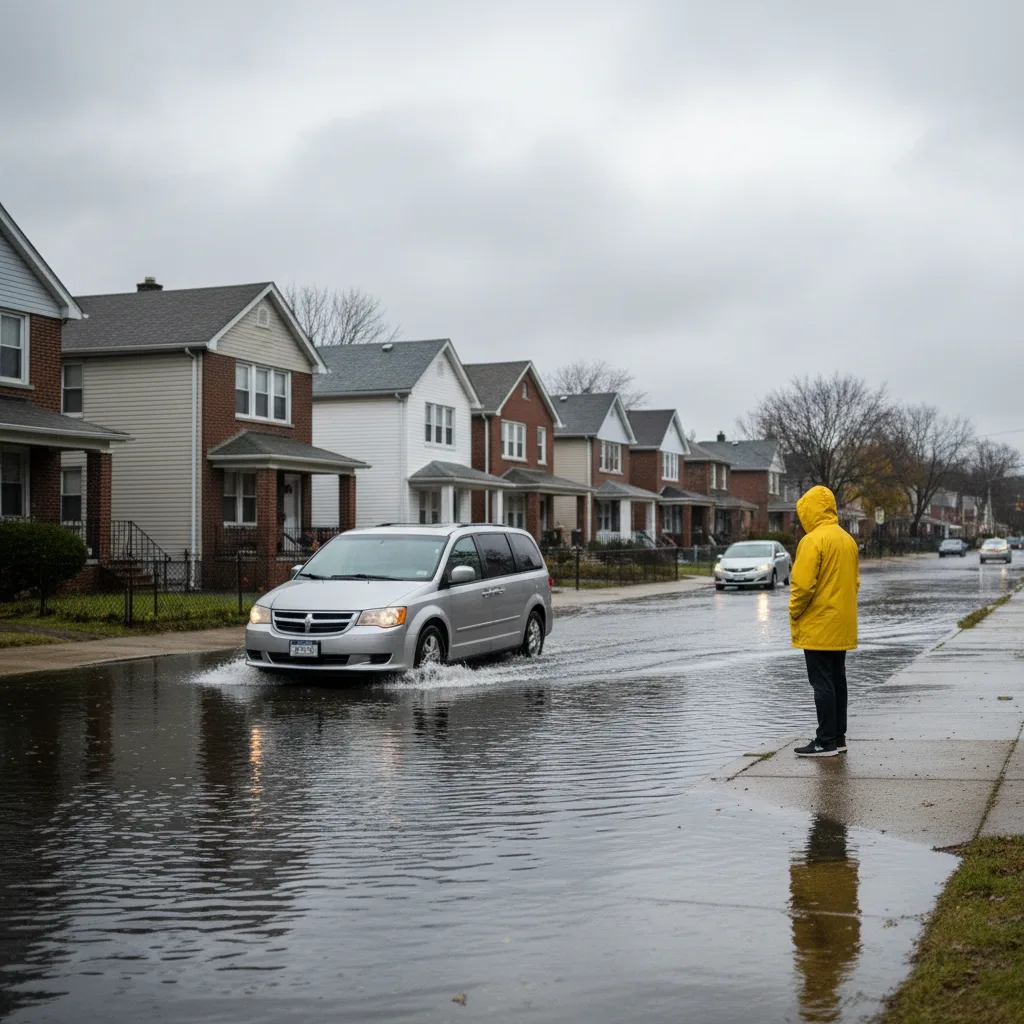
Nor'easter Floods Queens Streets, Impacts Cross Bay Boulevard Commuters
A nor'easter caused extensive flooding and tree damage across Queens in late 2026, severely disrupting Cross Bay Boulevard commuters. The storm highlights local infrastructure vulnerabilities.
Understanding the Weather in Montego Bay, Jamaica: A Guide for Queens Travelers
Planning a trip from Queens to Montego Bay, Jamaica? Understand the tropical weather, hurricane season, and best times to visit for a smooth trip.