


Cross Bay Blvd: March 2026 Storm Disrupts Queens Commutes

NEW YORK — A powerful rainstorm swept through Queens in early March 2026, causing widespread traffic disruptions and significant delays along Cross Bay Boulevard. Commuters faced challenging conditions, with many reporting extended travel times and hazardous driving environments across the borough.
The adverse weather system, which lasted for several hours, led to standing water on major roadways and localized flooding in low-lying areas. Local authorities urged residents to exercise extreme caution and consider alternative transportation methods during the peak of the storm.
Immediate Impact on Commuters and Businesses
Cross Bay Boulevard, a vital artery connecting mainland Queens to the Rockaway Peninsula, experienced severe congestion from early morning throughout the workday. Drivers reported bumper-to-bumper traffic extending for miles, turning routine commutes into hours-long ordeals.
Many essential workers and local business owners in the Cross Bay Boulevard commercial corridor were directly impacted by the storm's intensity. Delivery schedules were thrown into disarray, and some businesses reported reduced foot traffic due to the inclement weather, according to local merchant associations.
Official Warnings and Emergency Responses
The National Weather Service had issued a flash flood watch for Queens, advising residents of the potential for heavy rainfall and rapid water accumulation. City emergency services were on high alert, responding to numerous calls related to stalled vehicles and minor accidents.
New York City's Department of Transportation (DOT) deployed crews to address blocked storm drains and monitor water levels on critical roadways. Authorities emphasized the importance of not driving through flooded streets, warning of hidden dangers and potential vehicle damage.
Public Transportation Faces Delays
Mass transit options also felt the brunt of the severe weather, compounding the travel frustrations for Queens residents. Bus services operating along Cross Bay Boulevard and surrounding routes experienced significant delays and detours.
Subway lines serving the area reported minor disruptions, primarily due to localized flooding near station entrances and reduced visibility for outdoor segments. The Metropolitan Transportation Authority (MTA) advised riders to check for real-time updates before beginning their journeys during the storm, a notice disseminated widely via official channels.
Community Resilience and Support Efforts
Despite the challenges, residents and local organizations along Cross Bay Boulevard demonstrated notable resilience. Community groups shared real-time road condition updates through social media, helping neighbors navigate the difficult travel landscape.
Some local cafes and businesses extended their operating hours, offering warm shelter and amenities to stranded commuters. These informal networks provided crucial support, reflecting the strong communal spirit prevalent in the Cross Bay Boulevard area of Queens, as noted by community leaders.
Future Preparations and Infrastructure Improvements
The March 2026 storm has once again highlighted the vulnerability of urban infrastructure to extreme weather events. City officials are expected to review the storm's impact and assess current drainage systems along Cross Bay Boulevard for potential improvements.
Ongoing discussions about climate resilience and infrastructure upgrades in coastal areas of Queens have gained renewed urgency following this event. Investing in robust stormwater management remains a priority for local government, ensuring better preparedness for future weather challenges across New York City.
Frequently Asked Questions About Cross Bay Boulevard Storm Impact
Many residents inquired about the extent of the flooding and what measures were taken by city agencies. The New York City Department of Environmental Protection (DEP) clarified that while the storm was significant, the main sewer systems generally coped, but localized street flooding occurred due to high rainfall rates exceeding drainage capacity.
Concerns were also raised regarding the impact on local businesses and any available assistance. Local business improvement districts (BIDs) indicated they would monitor the economic effects and explore potential support programs for those impacted by Queens weather disruptions.
Additionally, residents asked about future storm preparedness and what they could do to help. City emergency management advised residents to sign up for NYC Notify alerts and prepare personal emergency kits, emphasizing community-level readiness as a crucial component of overall resilience in the Cross Bay Boulevard area of Queens.
Written by
Newstrix
Cross Bay News
Related Articles
More in Health & Weather →
Queens Nor'easter Topples Trees, Floods Cross Bay Boulevard 2026
A nor'easter in late 2026 toppled trees and flooded streets across Queens, causing significant disruption in southeast neighborhoods and affecting Cross Bay Boulevard commuters. Power outages and traffic delays were widespread.
Russian Plague Institute Worker Dies After Unexplained Illness
A worker at a Siberian anti-plague institute died from an unexplained respiratory illness on Oct 6, 2026. WHO assesses low public risk.

WHO Assesses Low Public Health Risk After Russian Plague Death
WHO assesses low public health risk after a worker at a Russian plague institute died on October 6, 2026. Quarantine measures enacted, but no widespread threat is expected.
Howard Beach Grapples with Renewed Nor'easter Flooding in 2026
Howard Beach and Hamilton Beach experienced renewed coastal flooding from a September nor'easter in 2026. Residents face repeated property damage, demanding city action.
Nor'easter Floods Queens Streets, Impacts Cross Bay Boulevard Commuters
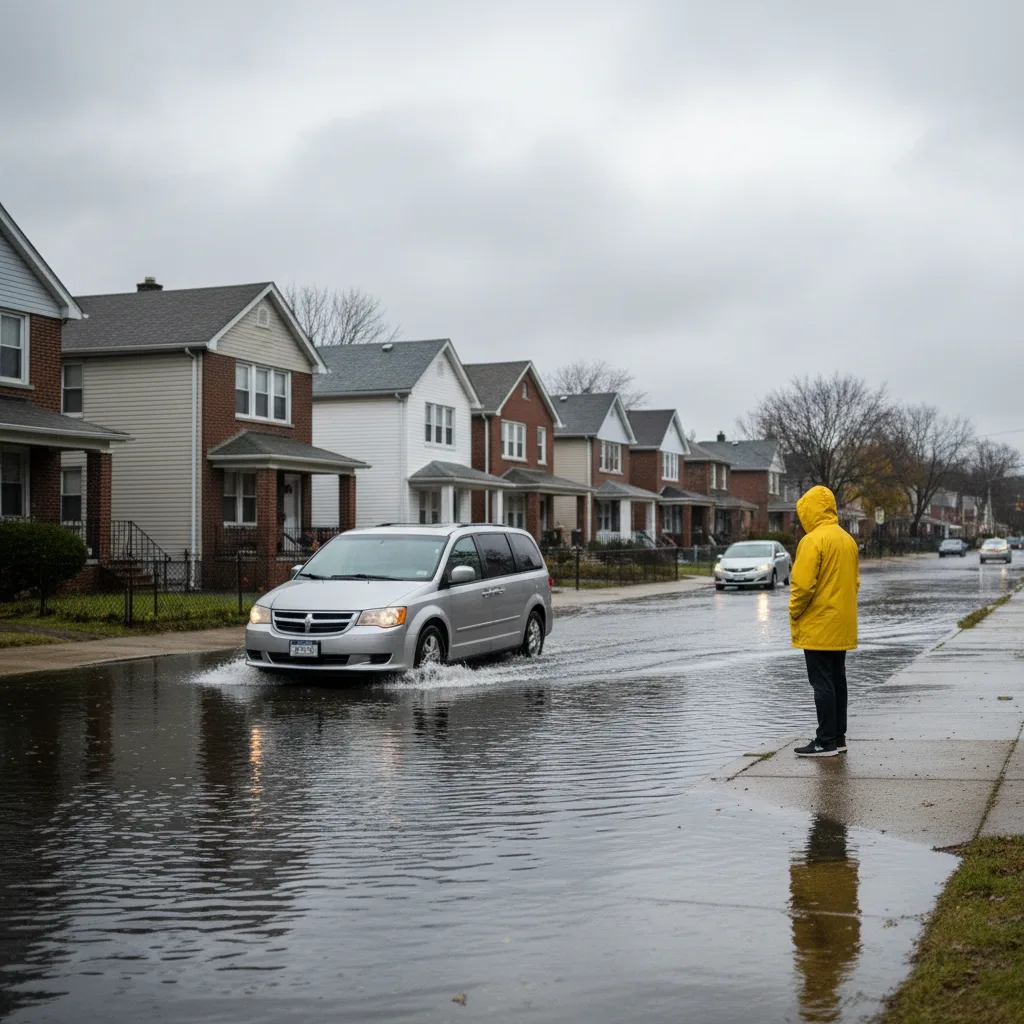
A nor'easter caused extensive flooding and tree damage across Queens in late 2026, severely disrupting Cross Bay Boulevard commuters. The storm highlights local infrastructure vulnerabilities.
Understanding the Weather in Montego Bay, Jamaica: A Guide for Queens Travelers
Planning a trip from Queens to Montego Bay, Jamaica? Understand the tropical weather, hurricane season, and best times to visit for a smooth trip.