


Cross Bay Boulevard Gridlocked by Severe March 2026 Rainstorm

NEW YORK — Cross Bay Boulevard in Queens experienced severe gridlock and hazardous driving conditions on March 15, 2026, following an intense rainstorm that swept through the metropolitan area. The deluge caused significant flooding in low-lying areas and underpasses, disrupting the daily commute for thousands of residents and local businesses.
According to reports from local traffic authorities, the severe weather event began in the early morning hours, quickly overwhelming the drainage systems along the major thoroughfare. Vehicles were seen struggling through several inches of standing water, leading to widespread delays and temporary road closures. The situation underscored ongoing concerns about the resilience of local infrastructure against increasingly frequent and powerful weather phenomena.
Unprecedented Delays Cripple Commutes
The morning commute transformed into a frustrating ordeal for many Queens residents attempting to navigate Cross Bay Boulevard. Traffic came to a near standstill for several hours, with some commuters reporting delays exceeding two hours for what would typically be a 20-minute drive. Public transportation, including local bus routes, also experienced significant detours and service interruptions, exacerbating the problem for those reliant on mass transit.
NYC Department of Transportation (DOT) officials issued advisories urging drivers to avoid the area and seek alternative routes, but by the time these warnings were widely disseminated, many drivers were already caught in the gridlock. The severe weather event created a cascading effect, impacting neighboring streets and avenues as drivers attempted to find escape routes from the main boulevard. Many motorists expressed frustration over the sudden deterioration of road conditions and the perceived lack of immediate solutions to clear the standing water.
Community Outcry Over Flooding Issues
Residents living along Cross Bay Boulevard and in adjacent neighborhoods, including Ozone Park and Broad Channel, voiced long-standing grievances regarding persistent flooding issues. Many homeowners reported flooded basements and saturated properties, reigniting calls for comprehensive infrastructure upgrades. Local community board meetings have repeatedly addressed these concerns, yet visible progress often seems slow to materialize.
One resident, Maria Sanchez, who lives just off Cross Bay Boulevard, stated, “Every time there’s a heavy rain, it’s the same story. Our streets turn into rivers, and the boulevard becomes impassable. We need real solutions, not just temporary fixes.” Her sentiments were echoed by numerous others who fear property damage and diminished quality of life during severe weather events. The city's emergency services were stretched thin, responding to multiple calls for stranded vehicles and water-related hazards across the borough.
Economic Impact on Local Businesses
The traffic chaos and flooding had an immediate economic impact on businesses operating along Cross Bay Boulevard. Deliveries were delayed, customer foot traffic dwindled, and employees struggled to reach their workplaces. Restaurants, retail shops, and service providers reported a significant downturn in activity for the day, adding to the financial pressures already faced by small businesses in the area.
"It's a complete loss for us," commented John Miller, owner of a hardware store on the boulevard. "Our morning rush disappeared, and who knows when customers will feel comfortable coming out again after this?" The disruption highlights the vulnerability of local economies to infrastructure failures exacerbated by extreme weather, prompting discussions among business associations about future resilience strategies.
Future Resilience and Infrastructure Plans
City officials, speaking anonymously due to ongoing assessments, indicated that the March 2026 rainstorm would prompt a renewed examination of the city's stormwater management systems. Plans to upgrade aging sewer lines and implement green infrastructure solutions, such as permeable surfaces and rain gardens, are reportedly being fast-tracked. However, these projects often entail significant funding and lengthy construction timelines, leaving residents anxious for immediate relief.
Advocates for improved infrastructure emphasize the need for proactive measures rather than reactive responses to weather events. They point to the need for sustained investment in projects that can handle increased rainfall volumes predicted by climate change models. The recent gridlock serves as a stark reminder of the urgent necessity to bolster urban defenses against extreme weather to protect both property and public safety for the Queens community. More information on local initiatives can be found on Cross Bay News.
Emergency Services Response and Coordination
The New York City Fire Department (FDNY) and the New York Police Department (NYPD) worked in tandem to manage the crisis, responding to numerous calls for assistance. FDNY units were deployed to pump water from flooded roadways and assist stranded motorists, while NYPD officers directed traffic and managed road closures. The coordination efforts were critical in preventing more serious incidents, although resources were reportedly stretched thin across multiple Queens neighborhoods.
Emergency responders emphasized the importance of public compliance with official warnings, urging residents to avoid driving through standing water. Many incidents of stalled vehicles occurred because drivers underestimated the depth of the floodwaters, risking both their safety and the functionality of their vehicles. These events highlight the need for continuous public education campaigns on navigating severe weather conditions in urban environments.
Frequently Asked Questions About Cross Bay Boulevard Flooding
Residents often inquire about why Cross Bay Boulevard floods so severely. The boulevard, a major artery connecting several low-lying Queens neighborhoods to the Rockaways, is particularly susceptible due to its elevation and proximity to Jamaica Bay. Its extensive paved surfaces contribute to rapid stormwater runoff, which often overwhelms the existing, older drainage infrastructure. Efforts are underway to address these systemic issues, but they require significant capital investment and time to implement effectively. Drivers are always advised to check local weather and traffic alerts before traveling during heavy rain events to ensure their safety and avoid severe delays on their commute.
Written by
Newstrix
Cross Bay News
Related Articles
More in Health & Weather →
Queens Nor'easter Topples Trees, Floods Cross Bay Boulevard 2026
A nor'easter in late 2026 toppled trees and flooded streets across Queens, causing significant disruption in southeast neighborhoods and affecting Cross Bay Boulevard commuters. Power outages and traffic delays were widespread.
Russian Plague Institute Worker Dies After Unexplained Illness
A worker at a Siberian anti-plague institute died from an unexplained respiratory illness on Oct 6, 2026. WHO assesses low public risk.
WHO Assesses Low Public Health Risk After Russian Plague Death
WHO assesses low public health risk after a worker at a Russian plague institute died on October 6, 2026. Quarantine measures enacted, but no widespread threat is expected.
Howard Beach Grapples with Renewed Nor'easter Flooding in 2026
Howard Beach and Hamilton Beach experienced renewed coastal flooding from a September nor'easter in 2026. Residents face repeated property damage, demanding city action.
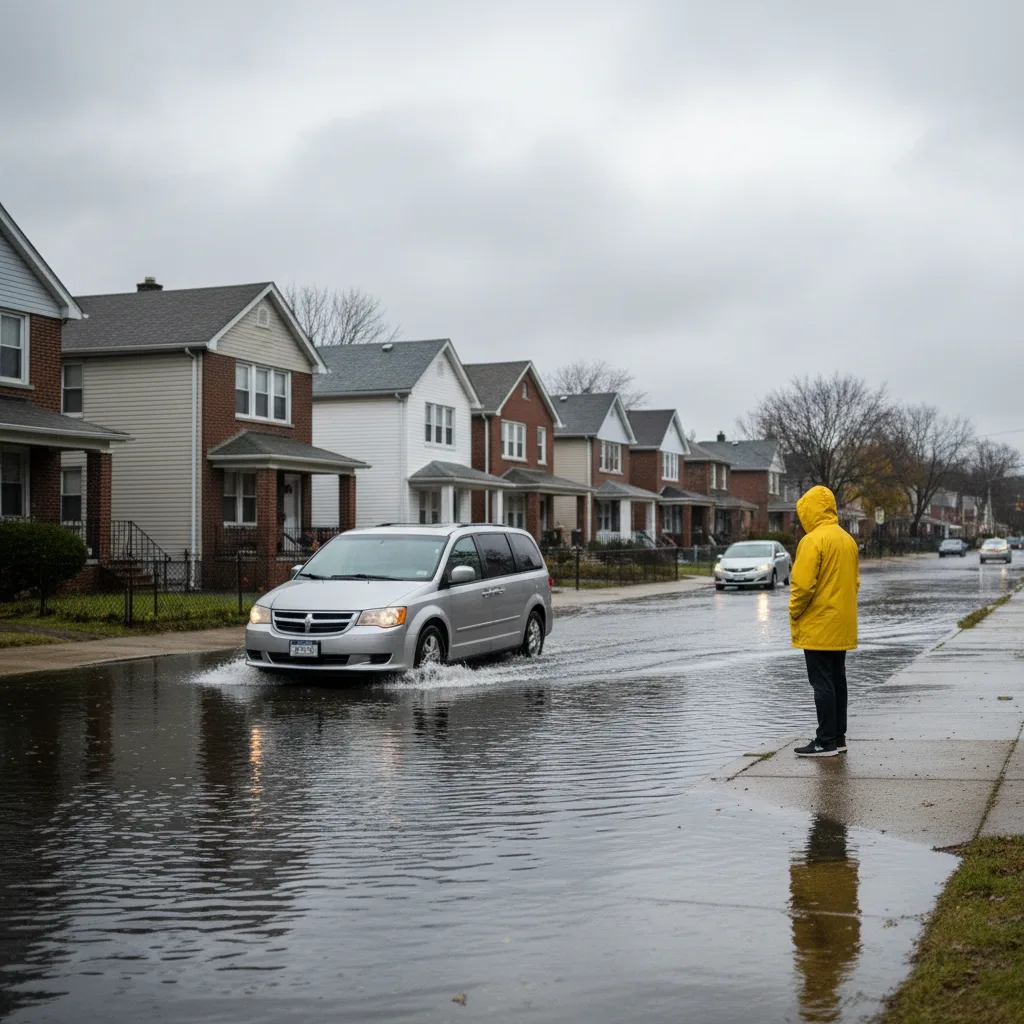
Nor'easter Floods Queens Streets, Impacts Cross Bay Boulevard Commuters
A nor'easter caused extensive flooding and tree damage across Queens in late 2026, severely disrupting Cross Bay Boulevard commuters. The storm highlights local infrastructure vulnerabilities.
Understanding the Weather in Montego Bay, Jamaica: A Guide for Queens Travelers
Planning a trip from Queens to Montego Bay, Jamaica? Understand the tropical weather, hurricane season, and best times to visit for a smooth trip.