


Cross Bay Boulevard: March 2026 Storm Snarls Traffic, Floods Homes

NEW YORK — A powerful rainstorm in early March 2026 brought Cross Bay Boulevard to a near standstill, causing extensive traffic delays and localized flooding that impacted residents and businesses throughout Queens. The severe weather event, characterized by torrential downpours and strong winds, led to hazardous driving conditions and significant disruptions across the area.
Emergency services reported numerous calls related to stalled vehicles and flooded basements, particularly in low-lying sections adjacent to the boulevard. Officials from the Department of Transportation indicated that the sheer volume of rainfall overwhelmed existing drainage systems, exacerbating the commute for thousands of Queens residents.
Unprecedented Rainfall Overwhelms Drainage
The March 2026 storm unleashed an estimated four inches of rain within a six-hour period, according to preliminary data from the National Weather Service. This intense precipitation rate far exceeded the capacity of many local storm drains, especially those along the length of Cross Bay Boulevard.
Water quickly accumulated on roadways, turning thoroughfares into shallow rivers and making passage perilous for motorists. Several segments of the boulevard, notoriously prone to pooling during heavy rains, became impassable for standard vehicles.
Commuter Chaos and Business Interruption
Commuters faced unprecedented delays, with some reporting being stuck in traffic for over two hours for trips that typically take twenty minutes. The Metropolitan Transportation Authority (MTA) issued advisories for bus routes traversing Cross Bay Boulevard, warning of significant schedule disruptions and detours.
Local businesses, particularly those reliant on foot traffic and timely deliveries, experienced a noticeable downturn during the storm. Many storefronts reported reduced customer numbers, while deliveries of essential goods faced considerable delays due to impassable roads.
Emergency Response and Community Assistance
First responders from the New York Police Department (NYPD) and the Fire Department of New York (FDNY) were deployed to manage traffic and assist stranded motorists throughout the storm. Numerous vehicles required towing from flooded intersections, highlighting the immediate dangers posed by the rising water levels.
Community groups in Howard Beach and Ozone Park quickly mobilized to check on vulnerable residents and offer support to those experiencing basement flooding. This collective effort underscored the resilient spirit prevalent among the diverse communities bordering Cross Bay Boulevard.
Calls for Infrastructure Upgrades Intensify
The recurring issue of flooding on Cross Bay Boulevard has reignited calls from local politicians and community activists for significant infrastructure upgrades. Councilwoman Joann Ariola stated that the March 2026 storm serves as a stark reminder of the urgent need for comprehensive stormwater management solutions in Queens.
Long-term solutions, including expanding drainage capacity and implementing green infrastructure projects, are now being discussed with renewed vigor. Residents expressed frustration over persistent flooding issues, urging city agencies to prioritize these critical upgrades.
Economic Repercussions and Future Preparedness
The economic fallout from the storm extended beyond immediate business losses, with homeowners facing costly repairs due to water damage. Insurance adjusters anticipate a surge in claims from properties located near the hardest-hit sections of Cross Bay Boulevard.
City officials are now reviewing emergency response protocols and infrastructure vulnerabilities in light of the storm's severity. Discussions are underway to develop more robust early warning systems and public communication strategies to better prepare residents for future weather events. Additional details regarding the storm's impact and ongoing response efforts can be found in the initial reporting on Cross Bay Boulevard.
Frequently Asked Questions About Cross Bay Boulevard Flooding
What caused the extensive flooding on Cross Bay Boulevard during the March 2026 storm? The primary cause was an unusually high volume of rainfall within a short period, overwhelming the existing stormwater drainage infrastructure. This led to significant water accumulation on roadways and in low-lying areas.
Which areas along Cross Bay Boulevard were most affected by the flooding? While specific intersections were severely impacted, sections of the boulevard traversing Howard Beach and Ozone Park experienced the most pronounced flooding. These areas are historically vulnerable due to their topography and existing drainage limitations.
What steps is the city taking to address recurring flooding issues in the Cross Bay Boulevard area? City agencies are currently reassessing the existing drainage infrastructure and exploring options for comprehensive upgrades. This includes potential projects to expand pipe capacity and integrate green infrastructure solutions to better manage stormwater runoff.
How can residents report flooding or request assistance during future severe weather events? Residents are advised to contact 311 to report flooding or other storm-related issues directly to city services. For immediate emergencies, such as stranded vehicles or urgent safety concerns, 911 should be dialed.
Were any public transit services along Cross Bay Boulevard affected by the storm? Yes, MTA bus services operating along Cross Bay Boulevard experienced significant delays and detours due to flooded roadways. Commuters were advised to check the MTA website for real-time updates and alternative route information.
Written by
Newstrix
Cross Bay News
Related Articles
More in Health & Weather →
Queens Nor'easter Topples Trees, Floods Cross Bay Boulevard 2026
A nor'easter in late 2026 toppled trees and flooded streets across Queens, causing significant disruption in southeast neighborhoods and affecting Cross Bay Boulevard commuters. Power outages and traffic delays were widespread.
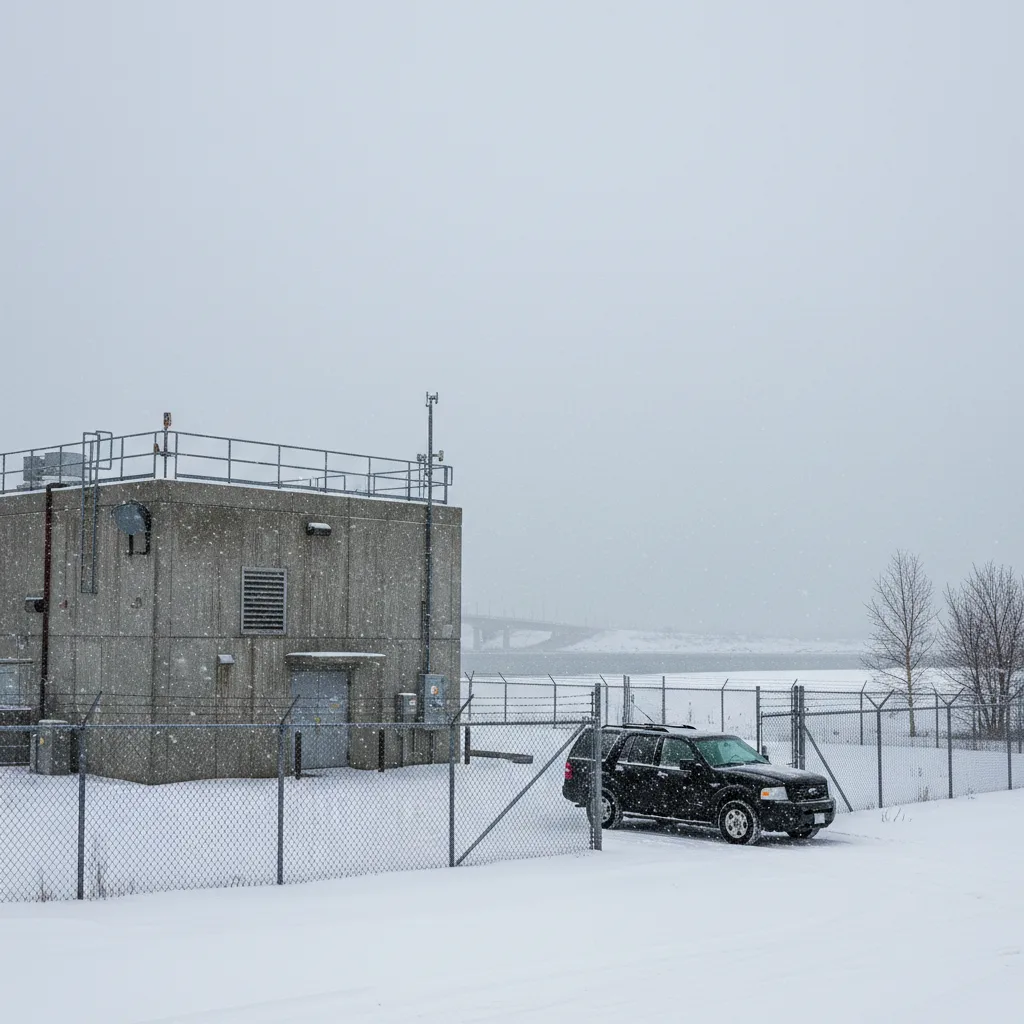
Russian Plague Institute Worker Dies After Unexplained Illness
A worker at a Siberian anti-plague institute died from an unexplained respiratory illness on Oct 6, 2026. WHO assesses low public risk.
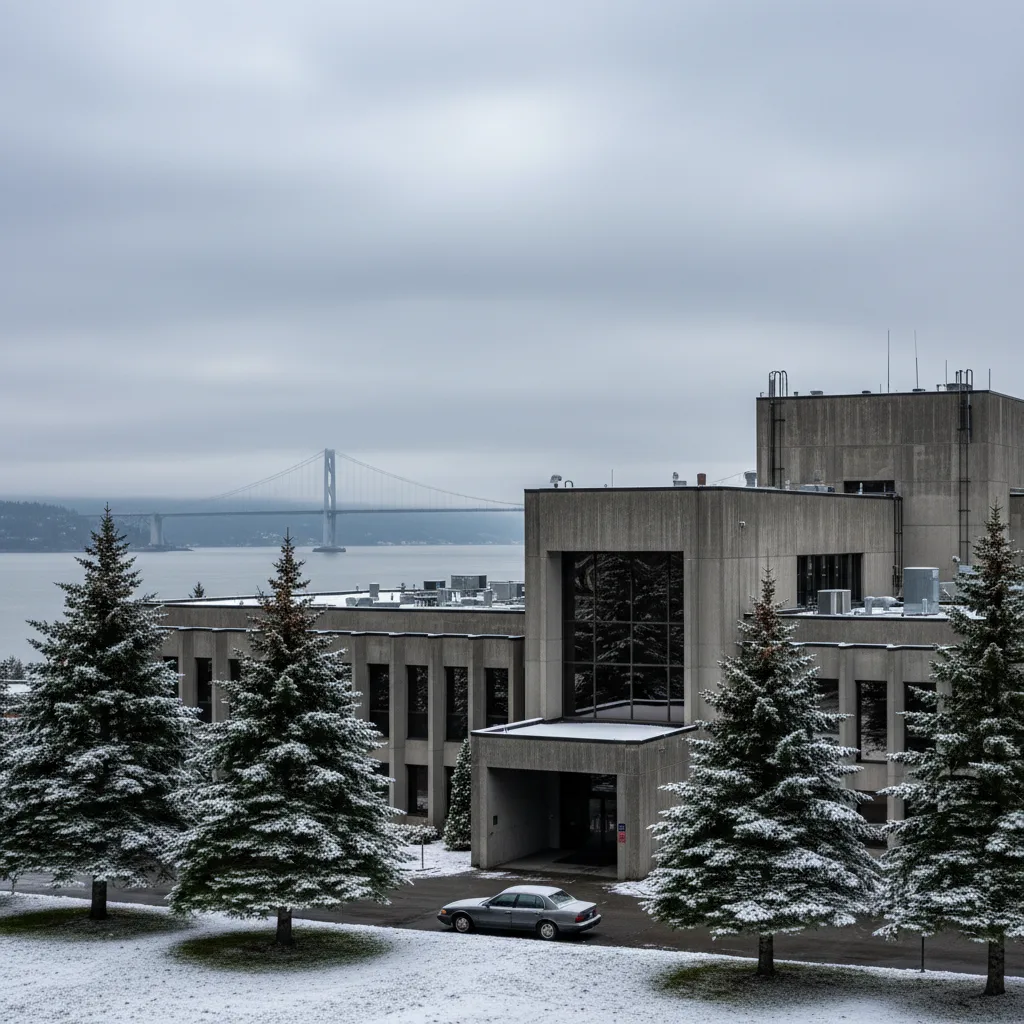
WHO Assesses Low Public Health Risk After Russian Plague Death
WHO assesses low public health risk after a worker at a Russian plague institute died on October 6, 2026. Quarantine measures enacted, but no widespread threat is expected.
Howard Beach Grapples with Renewed Nor'easter Flooding in 2026
Howard Beach and Hamilton Beach experienced renewed coastal flooding from a September nor'easter in 2026. Residents face repeated property damage, demanding city action.
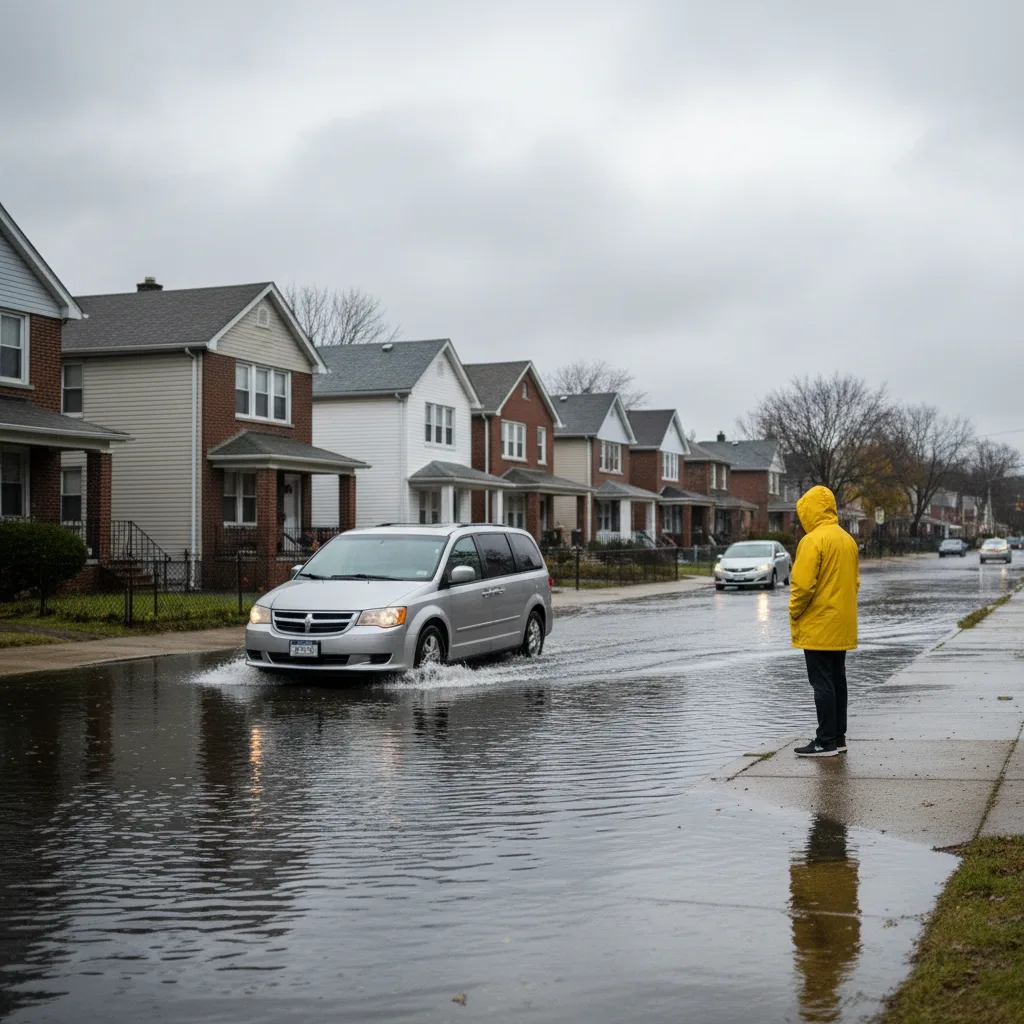
Nor'easter Floods Queens Streets, Impacts Cross Bay Boulevard Commuters
A nor'easter caused extensive flooding and tree damage across Queens in late 2026, severely disrupting Cross Bay Boulevard commuters. The storm highlights local infrastructure vulnerabilities.
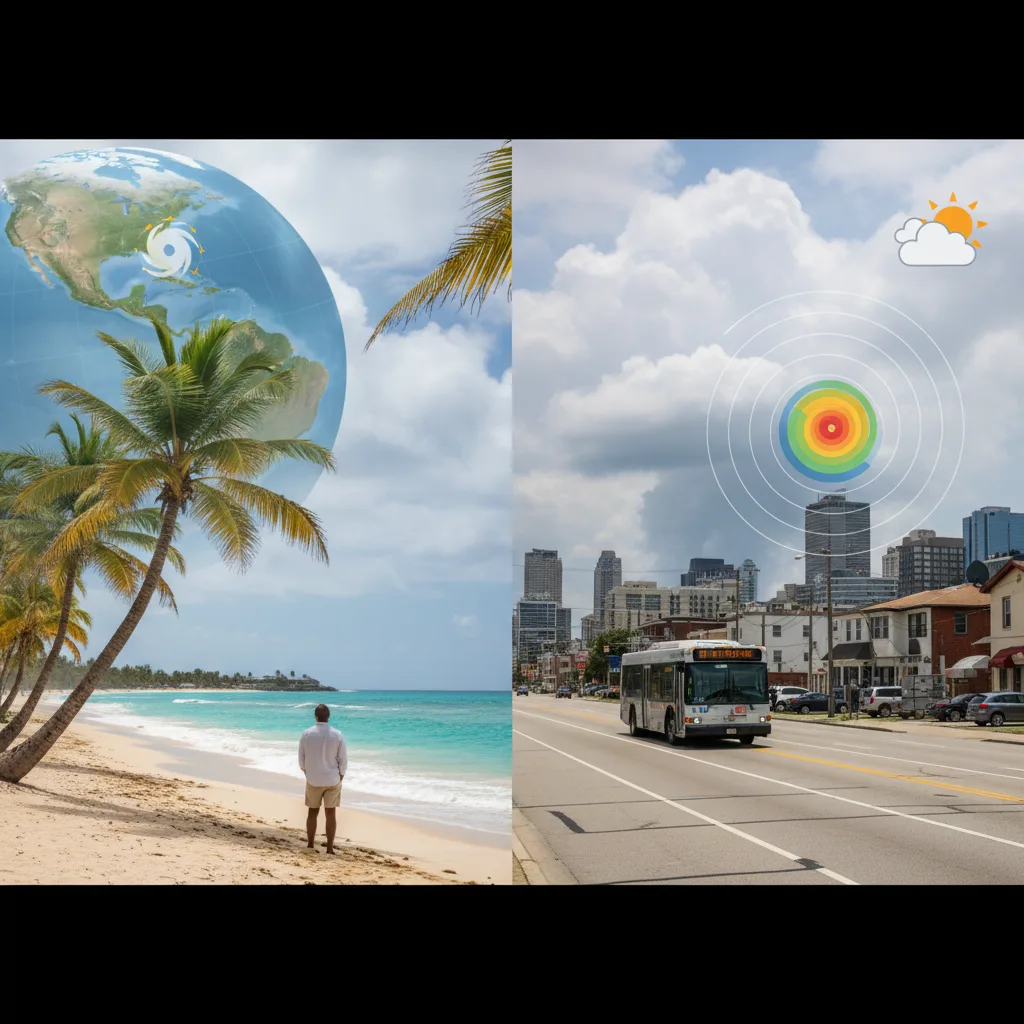
Understanding the Weather in Montego Bay, Jamaica: A Guide for Queens Travelers
Planning a trip from Queens to Montego Bay, Jamaica? Understand the tropical weather, hurricane season, and best times to visit for a smooth trip.