


Cross Bay Boulevard: March 2026 Storm Snarls Traffic, Reduces Vis

NEW YORK — A severe rainstorm on March 13, 2026, caused extensive traffic delays and hazardous visibility conditions on Cross Bay Boulevard, severely impacting motorists and local activity in Queens. The storm, characterized by heavy downpours, quickly led to standing water on roadways and reduced visibility to dangerous levels, prompting official warnings.
Traffic reports from the early morning hours showed significant snarls along the boulevard, a critical artery connecting various Queens neighborhoods. Drivers described navigating a challenging environment marked by poor road conditions and the constant threat of hydroplaning. The incident served as a potent reminder of the fragility of urban transportation networks when faced with extreme weather.
Hazardous Driving Conditions Force Caution
Motorists attempting to commute along Cross Bay Boulevard faced perilous conditions as the storm intensified. Heavy rainfall not only reduced visibility to mere feet in some areas but also created large pools of standing water, making lane markers invisible. The NYPD issued advisories recommending that drivers postpone non-essential travel and use extreme caution if they absolutely had to be on the roads.
Numerous reports of stalled vehicles and minor collisions surfaced throughout the morning, primarily attributed to hydroplaning and reduced reaction times. Drivers described feeling stranded and vulnerable on the waterlogged thoroughfare. These conditions highlight the inherent risks associated with driving during severe weather, even on major urban roads equipped with standard drainage systems that proved inadequate for the intensity of the downpour.
Impact on Local Commerce and Schools
The snarled traffic and hazardous conditions directly affected local businesses and educational institutions along Cross Bay Boulevard. Many small businesses experienced a significant decline in early morning sales and customer footfall. Deliveries were delayed or canceled, impacting supply chains and fresh produce availability for local eateries.
Schools in the vicinity faced challenges with student and staff attendance due to the dangerous commute. While no widespread closures were immediately announced, many parents opted to keep their children home, causing disruptions to school routines. The economic ripples of such a widespread traffic disruption often extend beyond the immediate day, affecting local spending patterns for the remainder of the week. This event further underlines the interconnectedness of infrastructure, weather, and community well-being.
Emergency Response and Public Safety Efforts
Emergency services, including the New York City Fire Department (FDNY) and the New York Police Department (NYPD), were highly active along Cross Bay Boulevard. Their efforts focused on managing traffic flow, assisting stranded motorists, and responding to reports of localized flooding that posed immediate threats. FDNY units were seen deploying pumps in critical flood zones to alleviate water accumulation.
Public safety announcements reiterated the dangers of driving through standing water, emphasizing that even shallow water can conceal hazards or disable vehicles. Authorities also reminded residents to be mindful of flash flood warnings and to seek higher ground if necessary. The coordinated response aimed to mitigate risks and ensure the safety of Queens residents during the severe weather event. For further information, Cross Bay News provided an update.
Community Discussions on Infrastructure Resilience
Following the severe weather, conversations among Cross Bay Boulevard residents and community leaders shifted towards long-term infrastructure resilience. There is a growing consensus that the existing storm drainage infrastructure is insufficient to handle the increasing intensity of rainfall events. Local advocacy groups are calling for renewed investment in modernizing the sewer system and exploring green infrastructure alternatives that can better manage stormwater runoff.
Discussions also touched upon the need for improved public notification systems and clearer guidelines for residents during extreme weather. Many expressed a desire for more frequent and granular updates on road closures and hazard zones. The March 2026 storm served as a critical case study, fueling community determination to push for more robust and forward-looking urban planning initiatives for the future safety of Queens.
Frequently Asked Questions Regarding Cross Bay Boulevard Storms
Residents often wonder what personal measures they can take to prepare for and safely navigate severe storms on Cross Bay Boulevard. It is advisable to monitor local weather forecasts closely and heed all official advisories from the NYPD and NYC DOT. If heavy rain is predicted, consider rescheduling non-essential travel. Keep your vehicle in good maintenance, especially tires and wipers, to maximize safety. During a storm, drive slowly, increase following distance, and avoid driving through standing water, as its depth can be deceiving. Having an emergency kit in your car and staying informed through local news channels can also significantly enhance your preparedness and safety when facing challenging weather conditions in Queens.
Written by
Newstrix
Cross Bay News
Related Articles
More in Health & Weather →
Queens Nor'easter Topples Trees, Floods Cross Bay Boulevard 2026
A nor'easter in late 2026 toppled trees and flooded streets across Queens, causing significant disruption in southeast neighborhoods and affecting Cross Bay Boulevard commuters. Power outages and traffic delays were widespread.
Russian Plague Institute Worker Dies After Unexplained Illness
A worker at a Siberian anti-plague institute died from an unexplained respiratory illness on Oct 6, 2026. WHO assesses low public risk.
WHO Assesses Low Public Health Risk After Russian Plague Death
WHO assesses low public health risk after a worker at a Russian plague institute died on October 6, 2026. Quarantine measures enacted, but no widespread threat is expected.
Howard Beach Grapples with Renewed Nor'easter Flooding in 2026
Howard Beach and Hamilton Beach experienced renewed coastal flooding from a September nor'easter in 2026. Residents face repeated property damage, demanding city action.
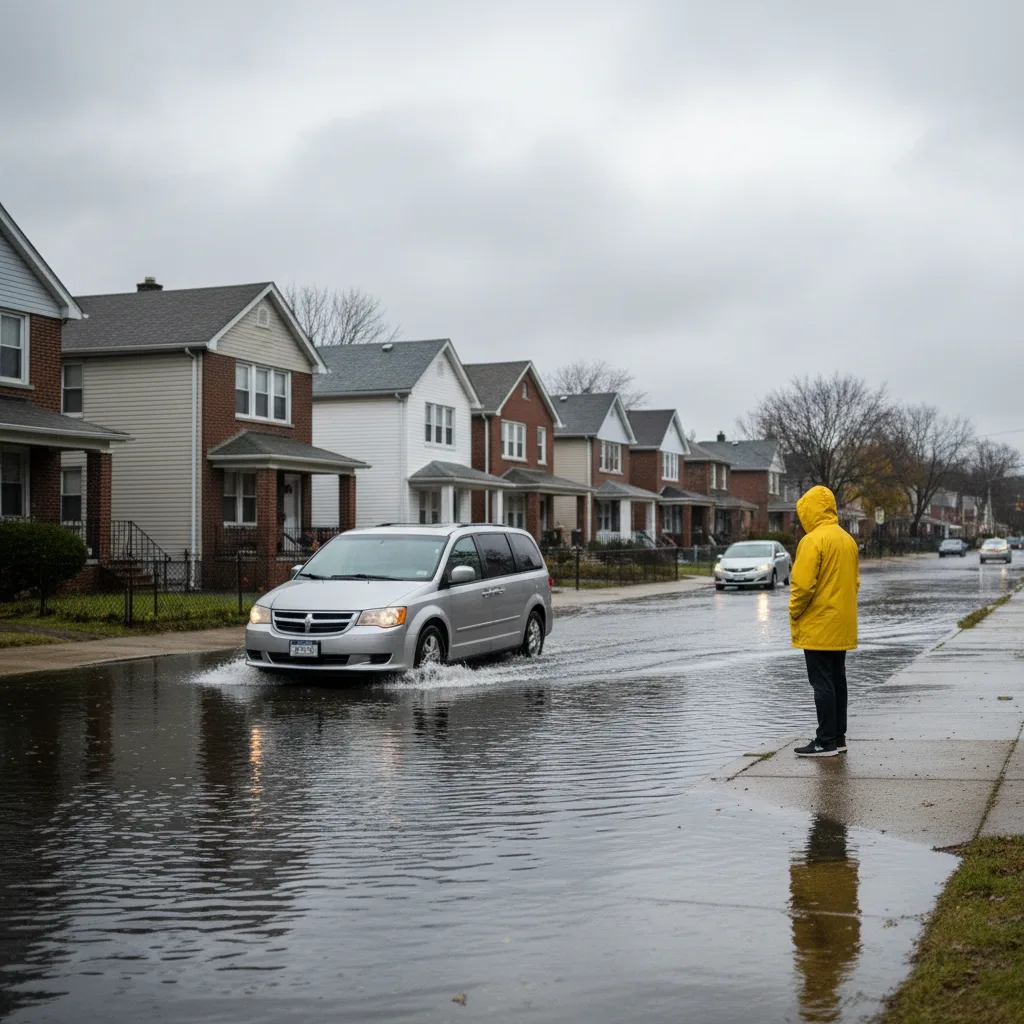
Nor'easter Floods Queens Streets, Impacts Cross Bay Boulevard Commuters
A nor'easter caused extensive flooding and tree damage across Queens in late 2026, severely disrupting Cross Bay Boulevard commuters. The storm highlights local infrastructure vulnerabilities.
Understanding the Weather in Montego Bay, Jamaica: A Guide for Queens Travelers
Planning a trip from Queens to Montego Bay, Jamaica? Understand the tropical weather, hurricane season, and best times to visit for a smooth trip.