


Cross Bay Boulevard Storm: March 2026 Delays Disrupt Queens Traffic

NEW YORK — A powerful rainstorm in early March 2026 brought widespread traffic disruptions and hazardous driving conditions to Cross Bay Boulevard, significantly impacting daily commutes across Queens. Emergency services responded to numerous calls as the thoroughfare became nearly impassable in several sections, according to an incident report from the New York Police Department.
The deluge, which began in the early morning hours, quickly overwhelmed local drainage systems, creating standing water that slowed vehicles to a crawl. Commuters faced extensive delays, with some reporting travel times more than double their usual duration from the Rockaways to mainland Queens, as detailed by local traffic monitoring services.
Immediate Impact on Commuters and Businesses
The storm's sudden intensity caught many residents and businesses off guard, leading to cancellations and altered schedules. Local schools in the Howard Beach and Ozone Park areas announced delayed openings, while some non-essential businesses along Cross Bay Boulevard opted to remain closed for the morning due to treacherous road conditions.
Retailers noted a significant drop in foot traffic, exacerbating concerns for a district already navigating fluctuating economic conditions. "It's tough when a storm like this hits during peak hours; our morning sales just evaporate," stated Maria Rodriguez, owner of a bakery near the boulevard, in an interview with Cross Bay News.
Emergency Services Mobilize Across South Queens
The New York City Department of Transportation (DOT) deployed crews to address blocked storm drains and monitor water levels at critical underpasses. The NYPD advised motorists to avoid non-essential travel and use extreme caution if venturing onto affected roadways, particularly near the Belt Parkway intersections.
First responders were stretched thin, managing minor accidents, stalled vehicles, and assisting pedestrians navigating flooded sidewalks. Despite the chaos, there were no immediate reports of major injuries directly attributable to the storm, a testament to timely advisories and careful driving by many residents.
Infrastructure Resilience and Future Planning
This latest weather event has reignited discussions among local officials and community boards regarding the long-term resilience of Cross Bay Boulevard's infrastructure. Many sections of the boulevard, particularly those near the Jamaica Bay shoreline, are susceptible to flooding during heavy rainfall and tidal surges.
City Council Member Joann Ariola (R-Ozone Park) acknowledged the ongoing challenges, stating, "We need to evaluate comprehensive solutions, including upgraded drainage systems and potential green infrastructure projects, to protect our community." This commitment follows previous efforts to enhance flood mitigation in vulnerable Queens neighborhoods, as outlined by the NYC Department of Environmental Protection.
Community Adaptation and Local Response
Residents exhibited a familiar resilience, with many sharing real-time updates on social media platforms about road closures and alternative routes. Local community centers opened their doors to offer temporary shelter and hot beverages to those stranded or seeking refuge from the inclement weather.
The storm served as a stark reminder of the ongoing climate challenges faced by coastal communities like those along Cross Bay Boulevard. Preparatory measures, such as securing outdoor items and clearing personal drains, were urged by local civic associations in the days leading up to the rainfall, according to their public announcements.
Long-Term Economic and Environmental Considerations
The frequency of severe weather events has prompted local business associations to advocate for increased city funding for infrastructure improvements. They argue that repeated disruptions not only cause immediate financial losses but also deter long-term investment in the area.
Environmental advocates highlight the need for sustainable urban planning that incorporates natural flood defenses and reduces impervious surfaces. They suggest that initiatives like expanding permeable pavements and creating more urban green spaces could alleviate some of the pressure on the existing storm sewer system in South Queens, a strategy also being explored by other coastal cities.
Frequently Asked Questions About Cross Bay Boulevard Storm Response
Local authorities and community leaders frequently receive questions about how residents can prepare for and respond to severe weather events impacting Cross Bay Boulevard. The city's emergency management office recommends signing up for Notify NYC alerts to receive real-time updates on weather conditions and road closures. Residents are encouraged to check the operational status of public transportation before leaving home and to keep emergency kits readily accessible. Information on flood insurance and property protection measures is available through local civic groups and online city resources. The city is actively reviewing existing infrastructure to identify areas for improvement and aims to implement upgrades that enhance storm resilience. For specific neighborhood concerns, residents should contact their local community board or city council representative to report issues and contribute to long-term planning discussions.
Written by
Newstrix
Cross Bay News
Related Articles
More in Health & Weather →
Queens Nor'easter Topples Trees, Floods Cross Bay Boulevard 2026
A nor'easter in late 2026 toppled trees and flooded streets across Queens, causing significant disruption in southeast neighborhoods and affecting Cross Bay Boulevard commuters. Power outages and traffic delays were widespread.
Russian Plague Institute Worker Dies After Unexplained Illness
A worker at a Siberian anti-plague institute died from an unexplained respiratory illness on Oct 6, 2026. WHO assesses low public risk.
WHO Assesses Low Public Health Risk After Russian Plague Death
WHO assesses low public health risk after a worker at a Russian plague institute died on October 6, 2026. Quarantine measures enacted, but no widespread threat is expected.
Howard Beach Grapples with Renewed Nor'easter Flooding in 2026
Howard Beach and Hamilton Beach experienced renewed coastal flooding from a September nor'easter in 2026. Residents face repeated property damage, demanding city action.
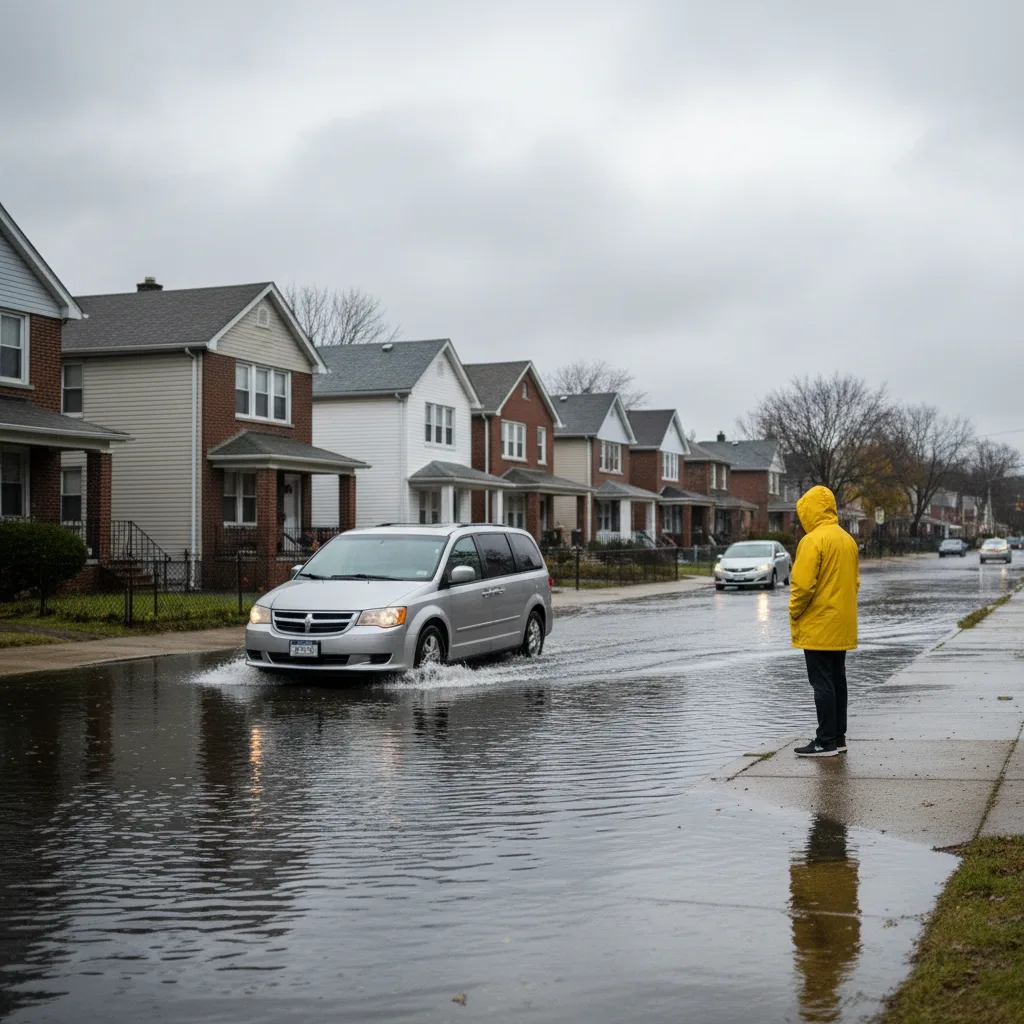
Nor'easter Floods Queens Streets, Impacts Cross Bay Boulevard Commuters
A nor'easter caused extensive flooding and tree damage across Queens in late 2026, severely disrupting Cross Bay Boulevard commuters. The storm highlights local infrastructure vulnerabilities.
Understanding the Weather in Montego Bay, Jamaica: A Guide for Queens Travelers
Planning a trip from Queens to Montego Bay, Jamaica? Understand the tropical weather, hurricane season, and best times to visit for a smooth trip.