


Former Chef Pleads Guilty in Lethal Substances Case, Impacts Queens Dialogue

NEW YORK — A former chef has pleaded guilty in a case tied to the supply of lethal substances used in more than 100 suicides, a global story now resonating deeply within Queens communities. Residents along Cross Bay Boulevard are discussing the profound shock and sadness surrounding the case, viewing it through the lens of public safety and online harm. The confession has brought renewed focus on mental health resources and digital vigilance.
The international investigation, which has spanned months, revealed a network behind the distribution of these deadly chemicals. The scale of harm continues to grow, prompting widespread grief and anger. Local conversations in Queens reflect a common concern: how easily vulnerable individuals can be targeted through online platforms and illicit channels.
The Global Reach of a Tragic Network
CBS News world coverage reported that the individual, whose identity remains largely under wraps due to ongoing investigations, admitted guilt in providing the fatal substances. Investigators in Canada, the United Kingdom, and other nations have been tracing the intricate web of suppliers and recipients. The case is unprecedented in its scope, affecting families across continents and demanding a coordinated international response.
This network allegedly preyed on individuals experiencing severe distress, offering what they marketed as a quick and painless end. The substances, often ordered online, bypassed conventional medical oversight, creating a dangerous and unregulated market for lethal compounds. Experts are now scrutinizing online forums and dark web markets to dismantle similar operations.
Cross Bay Boulevard's Community Response
In communities along Cross Bay Boulevard, the news has spurred conversations in local shops, on stoops, and within neighborhood chat groups. Many residents, particularly those with families and older members, express a mix of grief for the victims and anger at the perpetrators. The immediate reaction is not one of detached global news, but of deeply personal concern for vulnerable individuals within their own orbit.
“It’s terrifying to think about how easily someone can be influenced online,” said Maria Gonsalves, a mother of three from Howard Beach, while waiting at a local deli. “We talk a lot about protecting our kids from online dangers, but this reminds you that adults can be just as susceptible.” This sentiment highlights a common thread of anxiety regarding digital safety.
Calls for Greater Online Vigilance and Mental Health Support
The local response includes strong calls for increased warnings about suspicious online sellers and enhanced mental-health outreach. Community leaders are urging families to talk openly about mental health challenges and to be aware of the signs of distress in their loved ones. The case serves as a stark reminder that support systems must be robust and accessible.
Council Member Joann Ariola recently hosted a town hall discussing internet safety and mental wellness. She emphasized the critical role of community in identifying and supporting those at risk. “We must educate ourselves and our neighbors about these online threats,” Ariola stated. “But more importantly, we need to foster an environment where people feel comfortable seeking help for mental health challenges without stigma.” Resources are available through Queens Mental Health Support Resources.
The Intersection of Public Health and Online Harm
This tragic case illuminates the dangerous intersection of public health crises and unchecked online spaces. The anonymity and reach of the internet allow purveyors of harmful materials to connect with vulnerable individuals globally. Public health officials are now looking at more proactive strategies to intervene in such digital spaces, alongside traditional public health campaigns.
The global nature of the crime also highlights the limitations of localized law enforcement in an interconnected world. International cooperation and sophisticated cybercrime units are becoming essential tools in combating these complex threats. The incident underscores the need for a multifaceted approach involving technology, law, and social support. It's a reminder that even global stories have very real local impacts.
Frequently Asked Questions About the Lethal Substances Case
What is the core of the lethal substances case that is impacting local dialogue? The case involves a former chef who pleaded guilty to supplying lethal substances used in over 100 suicides globally. The story resonates locally in Queens because it highlights the vulnerability of individuals to online harms and the ease with which dangerous materials can be accessed. It prompts discussions about public safety, mental health, and internet vigilance within the community, especially concerning the welfare of families and older residents.
How are Cross Bay Boulevard residents reacting to this global news? Residents along Cross Bay Boulevard are expressing shock, grief, and anger. Conversations in local settings like shops and neighborhood groups center on how vulnerable people can be targeted online. There’s a strong emphasis on the need for increased mental health awareness, better support systems, and warnings about suspicious online sellers, rather than viewing it as a distant or irrelevant global event. The personal connection to potential local impact is significant.
What lessons are local officials drawing from this case for Queens? Local officials are emphasizing the importance of community vigilance against online harms and the need for accessible mental health resources. Council Member Joann Ariola has highlighted the necessity of open conversations about mental wellness and identifying individuals at risk. The case serves as a call to action for stronger digital literacy education and fostering an environment where seeking mental health help is normalized and encouraged throughout Queens.
Where can Queens residents find support for mental health concerns or report suspicious online activity? Queens residents seeking mental health support can reach out to local mental health clinics, community organizations, and the city’s NYC Well helpline. For reporting suspicious online activity related to harmful substances or suicide promotion, individuals should contact law enforcement or relevant internet safety organizations. Promoting mental wellness and seeking help is crucial, and resources are readily available locally. The case highlights the urgency of using these established channels.
Written by
Newstrix
Cross Bay News
Related Articles
More in Health & Weather →Queens Nor'easter Topples Trees, Floods Cross Bay Boulevard 2026
A nor'easter in late 2026 toppled trees and flooded streets across Queens, causing significant disruption in southeast neighborhoods and affecting Cross Bay Boulevard commuters. Power outages and traffic delays were widespread.
Russian Plague Institute Worker Dies After Unexplained Illness
A worker at a Siberian anti-plague institute died from an unexplained respiratory illness on Oct 6, 2026. WHO assesses low public risk.

WHO Assesses Low Public Health Risk After Russian Plague Death
WHO assesses low public health risk after a worker at a Russian plague institute died on October 6, 2026. Quarantine measures enacted, but no widespread threat is expected.
Howard Beach Grapples with Renewed Nor'easter Flooding in 2026
Howard Beach and Hamilton Beach experienced renewed coastal flooding from a September nor'easter in 2026. Residents face repeated property damage, demanding city action.
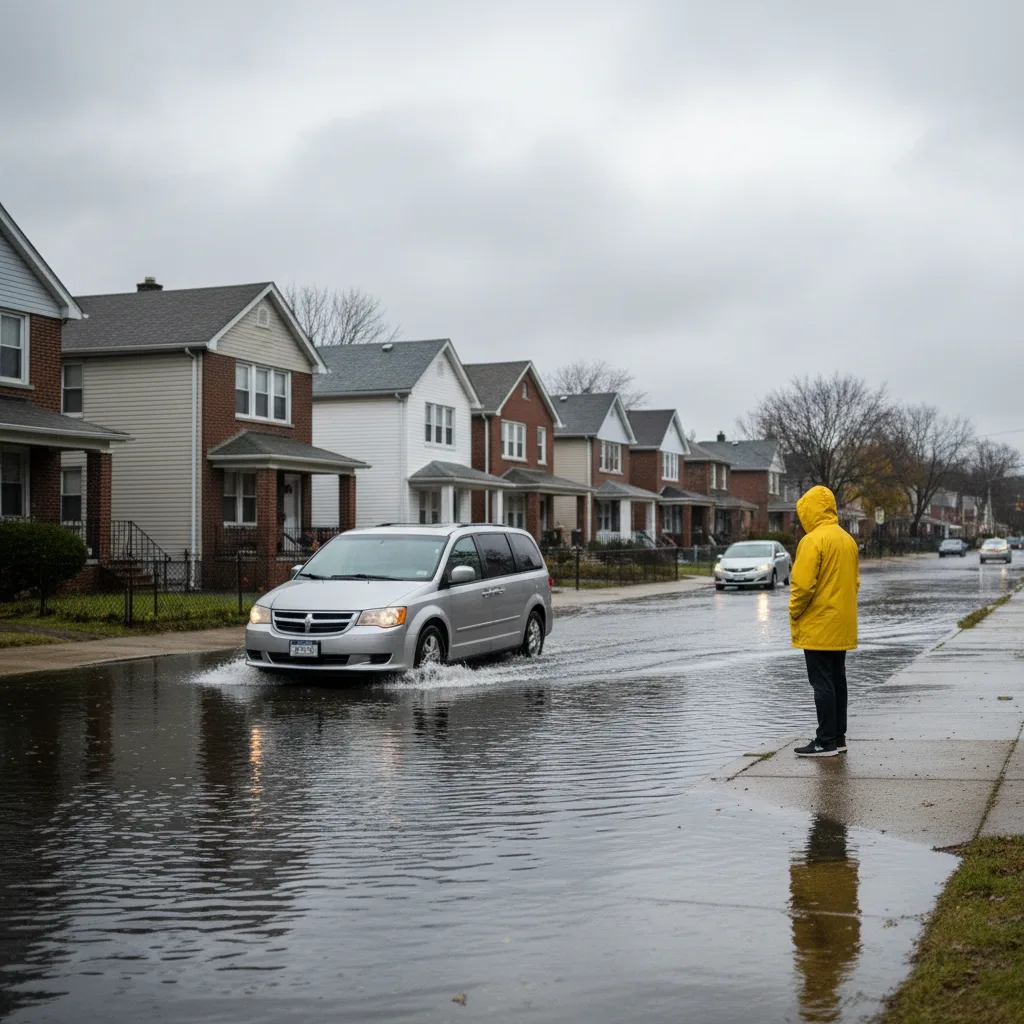
Nor'easter Floods Queens Streets, Impacts Cross Bay Boulevard Commuters
A nor'easter caused extensive flooding and tree damage across Queens in late 2026, severely disrupting Cross Bay Boulevard commuters. The storm highlights local infrastructure vulnerabilities.
Understanding the Weather in Montego Bay, Jamaica: A Guide for Queens Travelers
Planning a trip from Queens to Montego Bay, Jamaica? Understand the tropical weather, hurricane season, and best times to visit for a smooth trip.