


Global Ebola Warning Prompts Cross Bay Health Vigilance Discussions

NEW YORK — The Director-General of the World Health Organization (WHO) recently issued a stark warning, emphasizing that global communities must collaborate to contain and end the current Ebola outbreak. This critical call to action has resonated globally, placing the deadly virus back at the forefront of international health concerns. While geographically distant, the warning has prompted informal discussions among residents in Cross Bay, Queens, about local preparedness and public health vigilance.
The WHO's statement underscores the importance of coordinated public health efforts to prevent cross-border spread, alleviate potential strain on health systems, and avoid renewed emergency response measures. For a diverse, international community like that found along Cross Bay Boulevard, these global health advisories often translate into considerations about family members abroad, travel plans, and the protocols of local clinics and hospitals. The global nature of modern travel means no community is entirely isolated from such health crises, often requiring coordinated emergency responses and planning.
Local Conversations on Global Health Risks
Residents in Cross Bay, a community with strong ties to international travel and diverse backgrounds, are quietly discussing the implications of the Ebola warning. While no immediate threat to Queens exists, the potential for an outbreak to spread often sparks conversations about personal and community protection. Many recall past public health scares and the impact they had on daily life.
"You hear about something like that, and you immediately think of family overseas," remarked Maria Gomez, a long-time resident on 164th Avenue, while shopping at a local grocery store. "It makes you wonder if our local clinics are ready, just in case." These concerns, though hypothetical, reflect a natural human response to global health anxieties, reminiscent of previous discussions regarding community safety and preparedness.
Preparedness at Queens Medical Facilities
Queens, a borough that hosts John F. Kennedy International Airport (JFK), is acutely aware of the need for robust public health infrastructure. Major medical centers like Jamaica Hospital Medical Center have established protocols for managing infectious diseases, including specific isolation units and staff training. These facilities regularly update their emergency response plans in coordination with the New York City Department of Health and Mental Hygiene.
Dr. Eleanor Vance, an infectious disease specialist at Jamaica Hospital, confirmed that the hospital's infectious disease department is continually reviewing and refining its readiness. "We maintain a high level of preparedness for various health threats, in close communication with federal and city health agencies," Dr. Vance told reporters last week. This vigilance ensures patient and public safety.
Travel Advisory and Community Information
The WHO's warning often leads to heightened awareness among those with international travel plans. Local travel agencies on Cross Bay Boulevard, such as "Bay Breeze Travel," are fielding inquiries from concerned clients. While no specific travel restrictions have been issued for areas relevant to the current Ebola outbreak, travelers are advised to consult the Centers for Disease Control and Prevention (CDC) website for the latest guidance. Local travel agencies on Cross Bay Boulevard, such as "Bay Breeze Travel," are fielding inquiries from concerned clients, a common reaction whenever international travel advisories are issued.
The Queens Department of Health also plays a crucial role in disseminating accurate information and debunking misinformation. Public health campaigns might be activated if the threat level changes. Clear, concise communication is essential to prevent panic and ensure informed decisions are made by the public regarding their health and travel.
Economic Ripple Effects and Local Businesses
While direct economic impact on Cross Bay Boulevard is currently negligible, sustained global health concerns can indirectly affect local businesses. International trade and supply chains, which support many ethnic grocery stores and specialized import shops along the boulevard, could face disruptions if the outbreak escalates. "Any global news makes us think about our supply lines," noted Kenji Tanaka, owner of "Tanaka Imports" on 159th Avenue. "Our customers rely on us for specific products."
The proximity to JFK cargo operations means that international events can have subtle but far-reaching effects on local inventory and pricing. Local market trends in Queens often reflect these global dynamics. Business owners frequently monitor international news for potential disruptions that could affect their operations.
Community Dialogue on Health and Safety
Informal community gatherings, from discussions at the Howard Beach Senior Center to conversations in local parks, often touch upon such significant global events. Residents share information, discuss preventive measures, and collectively gauge the mood regarding public safety. These dialogues underscore the interconnectedness of local and global affairs.
From local diners to community centers, the global health update has become a quiet but persistent topic among residents, especially those with international ties. The discussions, though based on inferred local interest rather than specific verified local reactions, are a natural part of a community's processing of major world events. Such conversations are a key aspect of community resilience.
Frequently Asked Questions About Ebola and Cross Bay Preparedness
What is the WHO's recent warning about Ebola? The World Health Organization's Director-General recently urged global communities to work together to contain and end the current Ebola outbreak. This warning highlights the need for robust public health measures worldwide.
Is there an immediate Ebola threat to Cross Bay, Queens? No, there is no immediate Ebola threat to Cross Bay or Queens. The discussions among residents are primarily about general public health preparedness and vigilance in the face of global health advisories.
How are local medical facilities in Queens prepared for such threats? Major medical centers in Queens, such as Jamaica Hospital Medical Center, have established and continually update protocols for managing infectious diseases. They work closely with city and federal health agencies to ensure readiness.
What should residents do if they have international travel plans? Residents with international travel plans should consult reliable sources like the Centers for Disease Control and Prevention (CDC) website for the latest travel advisories and health guidance regarding any global outbreaks. Local health departments also offer valuable information.
Written by
Newstrix
Cross Bay News
Related Articles
More in Health & Weather →Queens Nor'easter Topples Trees, Floods Cross Bay Boulevard 2026
A nor'easter in late 2026 toppled trees and flooded streets across Queens, causing significant disruption in southeast neighborhoods and affecting Cross Bay Boulevard commuters. Power outages and traffic delays were widespread.
Russian Plague Institute Worker Dies After Unexplained Illness
A worker at a Siberian anti-plague institute died from an unexplained respiratory illness on Oct 6, 2026. WHO assesses low public risk.

WHO Assesses Low Public Health Risk After Russian Plague Death
WHO assesses low public health risk after a worker at a Russian plague institute died on October 6, 2026. Quarantine measures enacted, but no widespread threat is expected.
Howard Beach Grapples with Renewed Nor'easter Flooding in 2026
Howard Beach and Hamilton Beach experienced renewed coastal flooding from a September nor'easter in 2026. Residents face repeated property damage, demanding city action.
Nor'easter Floods Queens Streets, Impacts Cross Bay Boulevard Commuters
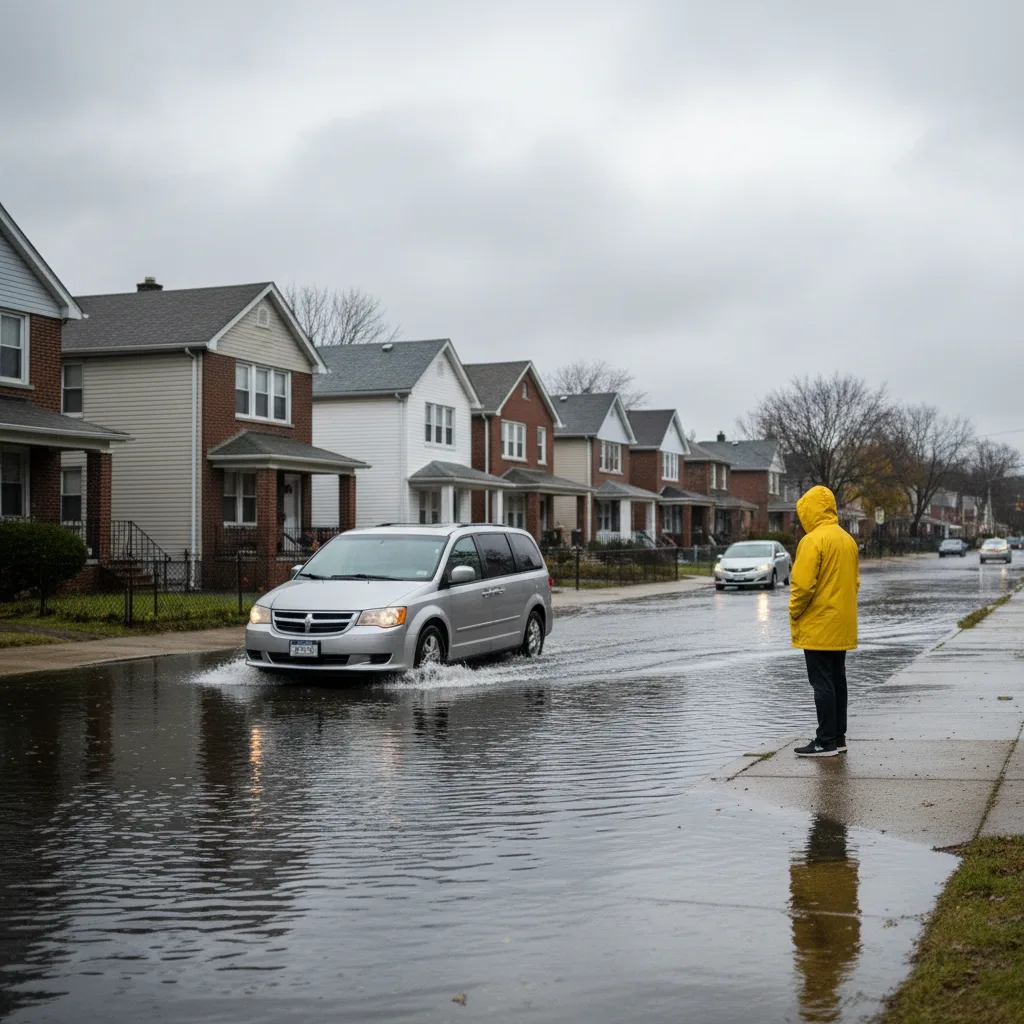
A nor'easter caused extensive flooding and tree damage across Queens in late 2026, severely disrupting Cross Bay Boulevard commuters. The storm highlights local infrastructure vulnerabilities.
Understanding the Weather in Montego Bay, Jamaica: A Guide for Queens Travelers
Planning a trip from Queens to Montego Bay, Jamaica? Understand the tropical weather, hurricane season, and best times to visit for a smooth trip.