


Hantavirus Outbreak Prompts Cruise Concern on Cross Bay

NEW YORK — An emerging hantavirus outbreak on the MV Hondius cruise ship, affecting 147 passengers, has sparked considerable anxiety among residents along Cross Bay Boulevard, prompting widespread health discussions. The vessel is currently en route to the Canary Islands for a methodical disembarkation, a critical step to prevent further spread. This global health alert has led many local families to reconsider their upcoming travel plans.
News of the outbreak, which rapidly became a viral topic online, has led to a flurry of activity in Queens. Health experts are issuing alerts, while authorities emphasize controlled handling of the situation. At the weekend farmers market near Charles Memorial Park, families swapped cruise horror stories, with many vowing to avoid cruises indefinitely. The situation underscores how global health issues quickly resonate locally.
Local Reactions to the Cruise Ship Outbreak
The hantavirus scare has directly impacted the travel plans and peace of mind for numerous Cross Bay Boulevard residents, particularly those who frequent the cruise lines departing from New York City ports. Local Facebook groups, such as 'Cross Bay News,' have been inundated with posts urging community-wide hand sanitizer drives at pharmacies and discussions on travel precautions. Many residents are now double-checking symptoms and monitoring health reports closely.
"We just got back from a Caribbean cruise last month, and now I'm thinking about every cough," admitted Linda Peterson, a Howard Beach resident while stocking up on sanitizing wipes at a local pharmacy. "It makes you wonder how safe it really is." A few retirees at the Cross Bay Senior Center even canceled their fall cruises on the spot, preferring caution over potential exposure. This immediate reaction highlights the sensitivity to health crises.
Health Experts Advise Caution and Hygiene
The New York City Department of Health and Mental Hygiene (NYC DOHMH) has issued advisories reminding residents about general hygiene practices and symptoms of viral infections, although they noted no direct threat to New York from the MV Hondius at this time. They emphasized the importance of regular hand washing and avoiding close contact with sick individuals. Local medical clinics along Cross Bay Boulevard have reported an uptick in inquiries regarding hantavirus symptoms and travel health.
Dr. Anthony Chen, an infectious disease specialist at Jamaica Hospital Medical Center, cautioned against panic but stressed vigilance. "Hantavirus is rare in the U.S., and usually spread by rodents, not human-to-human on a cruise," he explained to crossbayNews. "However, outbreaks like this remind us to be mindful of travel health, particularly in enclosed spaces." This expert advice aims to calm fears while ensuring public awareness, similar to previous public health discussions concerning jamaica-bay-author-discusses-prehistoric-crab-narrative and its local ecological context.
Economic Impact on Local Travel Industry
The hantavirus outbreak could have a tangible economic impact on local travel agencies and businesses catering to cruise tourism in Queens. Agencies along Cross Bay Boulevard, which often book cruises for hundreds of local clients annually, are facing increased cancellations and inquiries about travel insurance. This could lead to a temporary downturn in bookings as public confidence wavers.
"We've definitely seen a slowdown in new bookings this week," confirmed Sarah Goldstein, owner of Cross Bay Travel, a fixture in the community for over 30 years. "People are understandably nervous. We're working closely with cruise lines to understand their health protocols and reassure our clients." The travel industry, already sensitive to global events, faces renewed challenges from health scares. For updates on how various news impacts the community, cross-bay-residents-rely-on-local-broadcast-news-insights often provides valuable perspectives.
Controlled Disembarkation and Future Protocols
The MV Hondius's meticulous disembarkation plan in the Canary Islands involves sequential off-boarding and immediate flights home for unaffected passengers, while those displaying symptoms will receive medical attention. This controlled approach is designed to minimize any potential for further spread. Global health organizations are closely monitoring the situation.
Cruise lines worldwide are expected to review and potentially enhance their health and safety protocols in light of this incident. This could include more rigorous health screenings before boarding, increased sanitation measures, and improved emergency response plans for outbreaks. These preventative steps are crucial for restoring public trust in cruise travel.
Key Questions on Cruise Travel and Health
What are the common symptoms of hantavirus, and how is it typically transmitted? Hantavirus symptoms can include fever, muscle aches, headaches, and gastrointestinal issues, progressing to severe respiratory problems. It is typically transmitted to humans through contact with rodent droppings, urine, or saliva, or by inhaling airborne virus particles from these sources. Human-to-human transmission is extremely rare.
What precautions should Cross Bay residents take when planning future cruise travel? Travelers should always purchase comprehensive travel insurance, review the cruise line's health and safety protocols, and practice good hand hygiene. Staying updated on global health advisories from the CDC and local health departments is also recommended. Consulting a doctor before travel is prudent, especially for those with pre-existing conditions.
How do cruise lines respond to infectious disease outbreaks onboard? Cruise lines implement strict protocols, including isolating affected individuals, enhancing cleaning and disinfection procedures, and collaborating with international health authorities like the CDC and WHO. They often have dedicated medical staff and facilities onboard to manage health emergencies, aiming to contain outbreaks and protect passengers. These robust measures are critical for maintaining passenger safety, particularly on large vessels with thousands of individuals.
Written by
Newstrix
Cross Bay News
Related Articles
More in Health & Weather →
Queens Nor'easter Topples Trees, Floods Cross Bay Boulevard 2026
A nor'easter in late 2026 toppled trees and flooded streets across Queens, causing significant disruption in southeast neighborhoods and affecting Cross Bay Boulevard commuters. Power outages and traffic delays were widespread.

Russian Plague Institute Worker Dies After Unexplained Illness
A worker at a Siberian anti-plague institute died from an unexplained respiratory illness on Oct 6, 2026. WHO assesses low public risk.

WHO Assesses Low Public Health Risk After Russian Plague Death
WHO assesses low public health risk after a worker at a Russian plague institute died on October 6, 2026. Quarantine measures enacted, but no widespread threat is expected.
Howard Beach Grapples with Renewed Nor'easter Flooding in 2026
Howard Beach and Hamilton Beach experienced renewed coastal flooding from a September nor'easter in 2026. Residents face repeated property damage, demanding city action.
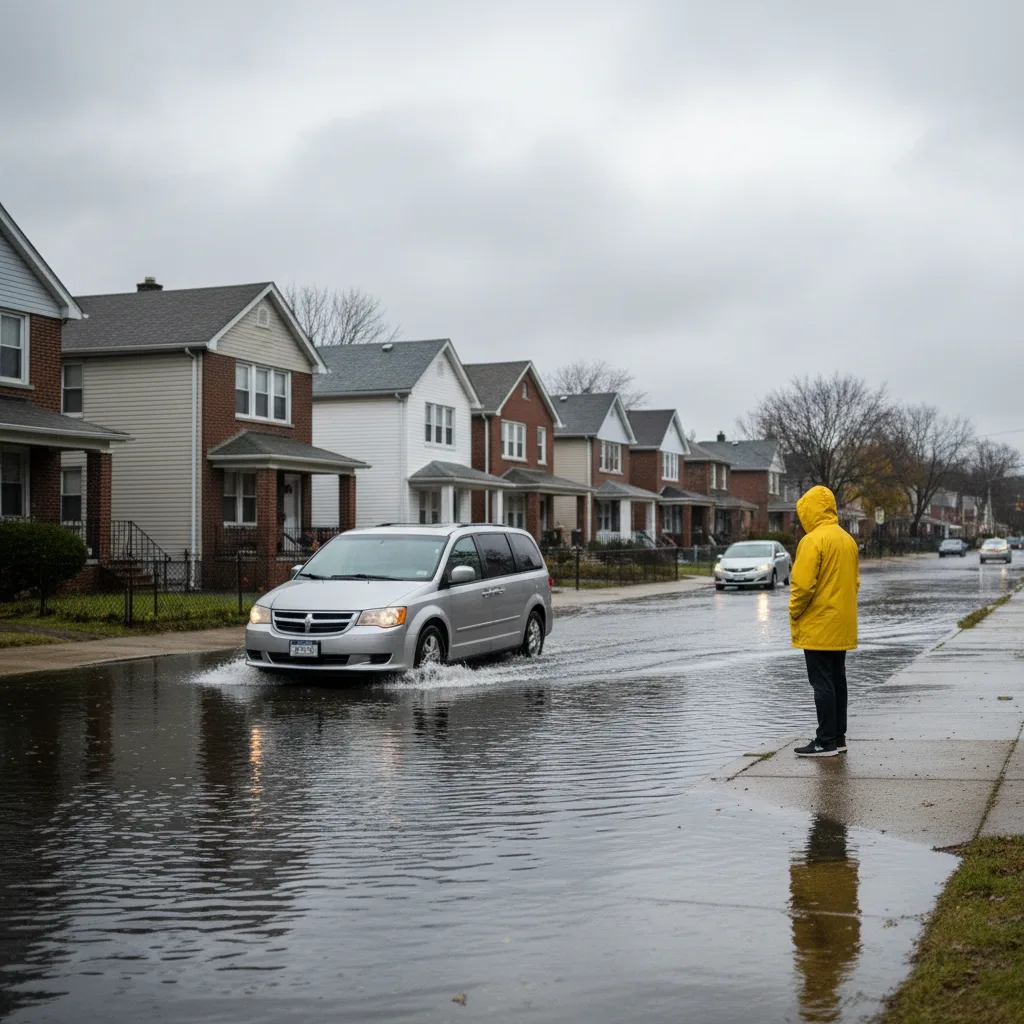
Nor'easter Floods Queens Streets, Impacts Cross Bay Boulevard Commuters
A nor'easter caused extensive flooding and tree damage across Queens in late 2026, severely disrupting Cross Bay Boulevard commuters. The storm highlights local infrastructure vulnerabilities.

Understanding the Weather in Montego Bay, Jamaica: A Guide for Queens Travelers
Planning a trip from Queens to Montego Bay, Jamaica? Understand the tropical weather, hurricane season, and best times to visit for a smooth trip.