


Kenyan Court Halts US Ebola Quarantine Plan; Global Health Impact

NEW YORK — A Kenyan court has issued a temporary injunction, effectively blocking a U.S.-backed plan to establish an Ebola quarantine facility within the country. This significant judicial decision, reported by ABC News in May 2026, has immediate international public health implications, touching upon issues of national sovereignty, disease control protocols, and global health partnerships. The case is drawing considerable attention because it sits at the intersection of disease containment efforts, legal oversight, and diplomatic relations between nations.
While the direct impact on New York City and its communities, including those along Cross Bay Boulevard, is not immediate, global health developments often resonate in a city with vast international connections. Queens, home to a highly diverse population and proximity to JFK International Airport, remains particularly attuned to news that affects global travel, public health, and international policy. The ruling sparks discussions on the balance between international aid and national autonomy in public health emergencies.
The Court's Ruling and Grounds for Injunction
The Kenyan High Court's decision was reportedly based on arguments raised by local advocacy groups and medical professionals concerning potential health risks to the local population and the lack of comprehensive public consultation. Petitioners argued that establishing such a facility without adequate safeguards and community input could endanger residents and violate national environmental and health regulations. The injunction effectively pauses the construction and operationalization of the facility, pending further legal review.
“The court found merit in the petitioners’ argument that due process and local community welfare must be prioritized, even in the face of international health crises,” stated Barrister Njeri Kamau, lead counsel for the petitioners, in a press conference in Nairobi, May 2026. This legal challenge underscores a growing trend of nations asserting greater control over health interventions on their soil, even those supported by foreign aid. The ruling represents a significant victory for local activism.
Implications for Global Health Strategy
The temporary halt of the Ebola quarantine facility raises broader questions about how international health organizations and donor nations can effectively implement disease control measures in sovereign states. Collaborative efforts to combat infectious diseases, especially those with pandemic potential, rely heavily on host country cooperation and public trust. This ruling highlights potential diplomatic challenges and the need for culturally sensitive engagement.
Dr. David Satcher, former U.S. Surgeon General, commented on the complexity of such partnerships during a public forum on global health policy in Washington D.C. earlier this month. “Global health security demands both robust international assistance and profound respect for national sovereignty,” he noted. He emphasized that trust-building is paramount. These discussions often influence how international aid and public health initiatives are perceived, even in communities like those along Cross Bay Boulevard.
New York City's Global Connections and Preparedness
As a major international travel hub, New York City, and by extension Queens, maintains a high level of preparedness for potential public health emergencies, including the spread of infectious diseases. The New York City Department of Health and Mental Hygiene (NYC DOHMH) regularly conducts drills and updates protocols to respond to global health threats. This vigilance is a constant in a city that welcomes millions of international visitors annually.
While Ebola outbreaks have historically been contained in specific regions, the highly interconnected nature of global travel means that developments in distant lands are never entirely irrelevant. Local healthcare providers in communities accessible from Cross Bay Boulevard are trained on infectious disease protocols. Many residents have family in regions that could be impacted by such health crises, fostering a keen interest in global public health initiatives.
The Intersection of Health, Law, and Diplomacy
The Kenyan court’s decision serves as a powerful example of how legal systems within individual nations can directly influence multilateral health initiatives. It emphasizes that humanitarian goals must navigate the complexities of national laws, local politics, and public opinion. The U.S. State Department is reportedly reviewing the decision and exploring diplomatic avenues to address the concerns raised by the Kenyan court.
Experts in international law suggest that a more inclusive approach, involving extensive community engagement and transparent benefit-sharing, might be necessary for future projects of this nature. This incident underscores the importance of a nuanced approach to global health interventions. Public Safety Initiatives in Queens regularly update residents on health alerts that could have global origins.
Moving Forward: Redefining Global Health Partnerships
The temporary injunction in Kenya could prompt a re-evaluation of how international health partnerships are structured and implemented. There will likely be increased emphasis on co-creation of projects, ensuring that local stakeholders have a significant voice in decisions that affect their communities. This shift could lead to more equitable and sustainable global health solutions in the long run.
The international public health community will be observing closely to see how the U.S. and Kenya resolve this legal and diplomatic challenge. The lessons learned from this situation could ultimately strengthen future collaborative efforts to address global health threats, fostering greater trust and cooperation between nations. It is a reminder that global issues are inextricably linked to local contexts, even in a bustling borough like Queens.
Frequently Asked Questions About the Kenyan Ebola Facility Ruling
Many people are asking why Kenya blocked a U.S.-backed Ebola facility. The Kenyan High Court reportedly issued an injunction based on concerns raised by local groups about potential health risks to residents and a lack of public consultation regarding the facility's establishment. Another common question is what the implications are for global health efforts. This ruling highlights the complexities of implementing international health initiatives, emphasizing the need for respectful engagement with national sovereignty and local communities to build trust and ensure project sustainability. People also often wonder how this affects New York City; while there's no direct immediate impact, New York's status as a global travel hub means its public health agencies always monitor international disease control developments, and its diverse population often discusses global health issues with keen interest.
Citations: ABC News report, May 2026; Barrister Njeri Kamau, Lead Counsel for Petitioners, Nairobi, May 2026; Dr. David Satcher, Former U.S. Surgeon General, May 2026.
Written by
Newstrix
Cross Bay News
Related Articles
More in Health & Weather →Queens Nor'easter Topples Trees, Floods Cross Bay Boulevard 2026
A nor'easter in late 2026 toppled trees and flooded streets across Queens, causing significant disruption in southeast neighborhoods and affecting Cross Bay Boulevard commuters. Power outages and traffic delays were widespread.
Russian Plague Institute Worker Dies After Unexplained Illness
A worker at a Siberian anti-plague institute died from an unexplained respiratory illness on Oct 6, 2026. WHO assesses low public risk.

WHO Assesses Low Public Health Risk After Russian Plague Death
WHO assesses low public health risk after a worker at a Russian plague institute died on October 6, 2026. Quarantine measures enacted, but no widespread threat is expected.
Howard Beach Grapples with Renewed Nor'easter Flooding in 2026
Howard Beach and Hamilton Beach experienced renewed coastal flooding from a September nor'easter in 2026. Residents face repeated property damage, demanding city action.
Nor'easter Floods Queens Streets, Impacts Cross Bay Boulevard Commuters
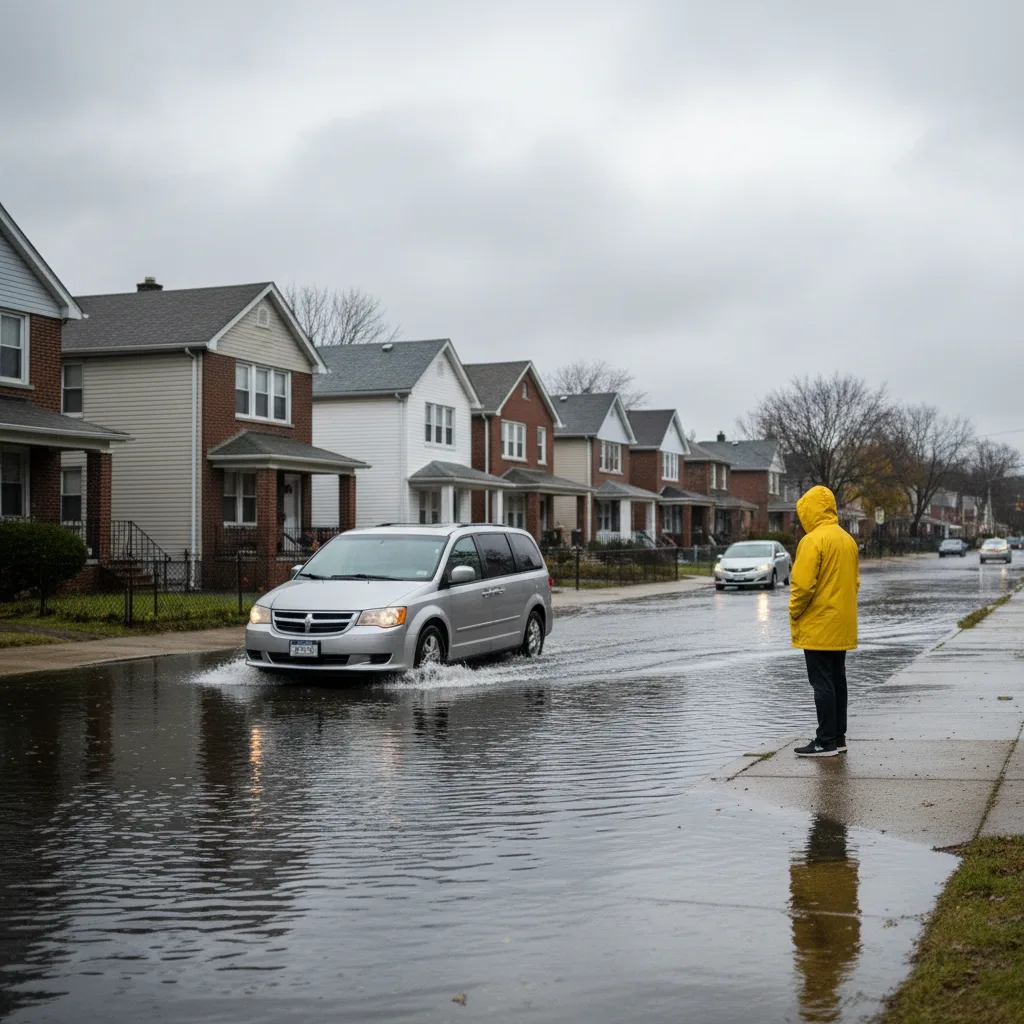
A nor'easter caused extensive flooding and tree damage across Queens in late 2026, severely disrupting Cross Bay Boulevard commuters. The storm highlights local infrastructure vulnerabilities.
Understanding the Weather in Montego Bay, Jamaica: A Guide for Queens Travelers
Planning a trip from Queens to Montego Bay, Jamaica? Understand the tropical weather, hurricane season, and best times to visit for a smooth trip.