


Typhoon Bavi Threatens Taiwan with 200 KPH Winds, Officials Urge Preparation
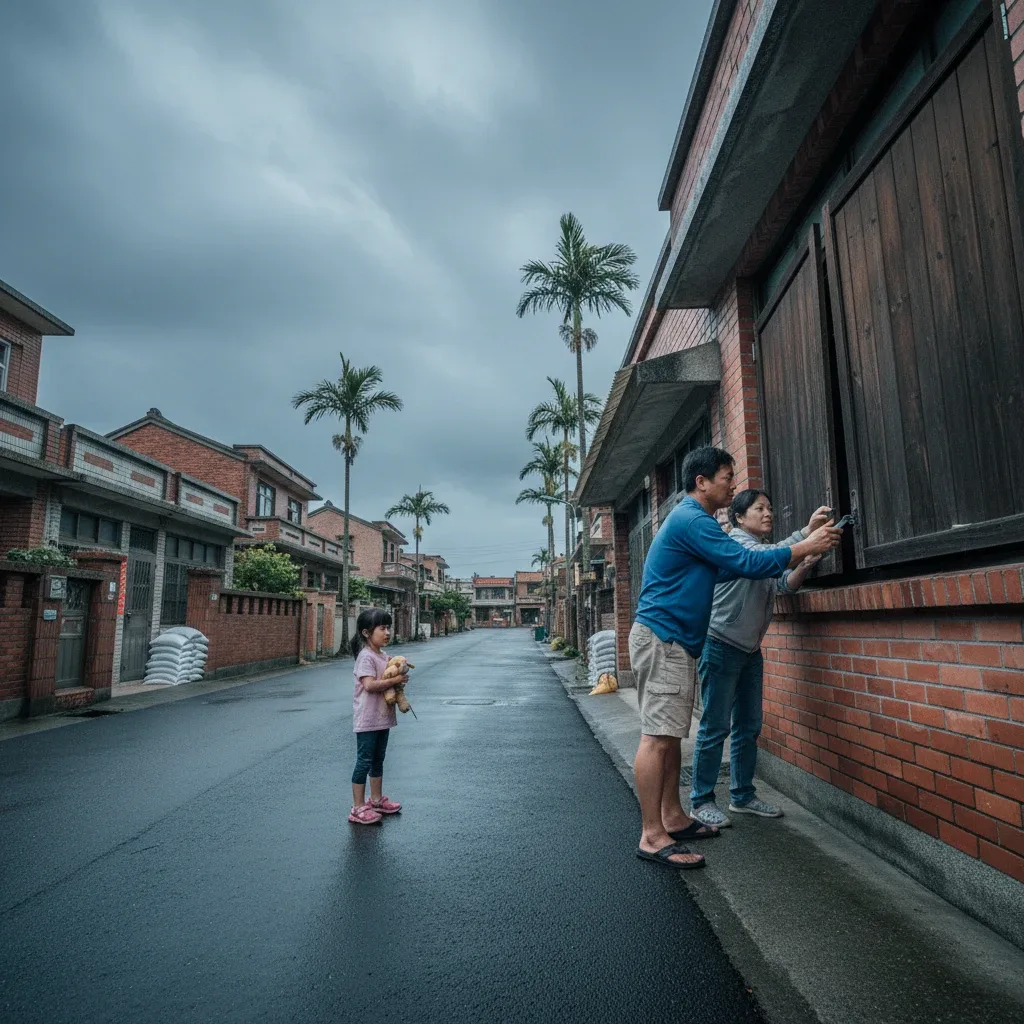
NEW YORK — Residents along Cross Bay Boulevard and in nearby Queens neighborhoods are experiencing a familiar anxiety as Typhoon Bavi threatens Taiwan, churning with winds near 200 kph. This powerful storm, deemed potentially the strongest typhoon since 2024 by Reuters, has prompted Taiwanese officials to urge extensive preparations.
Taiwan Prepares for Potentially Historic Typhoon
Typhoon Bavi, located southeast of Taiwan, intensified rapidly over the past 24 hours, with meteorological agencies confirming sustained winds approaching 200 kilometers per hour. Taiwanese authorities, including the Central Weather Bureau, issued widespread warnings, instructing residents to secure property and stock up on essential supplies.
The storm's trajectory is drawing global attention due to its intensity and the potential for severe damage if it shifts closer to densely populated areas. Preparations include the activation of emergency response teams and the pre-positioning of resources, as detailed by Reuters.
Coastal Communities Relate to Storm Preparedness
For residents in coastal Queens communities such as Broad Channel and the Rockaways, the news of Typhoon Bavi evokes memories of past hurricanes and the imperative of storm readiness. The call to stock up on supplies, check weather apps, and discuss vulnerability resonates deeply, mirroring preparations often undertaken during the Atlantic hurricane season.
"It definitely brings back memories of when Sandy hit, and the scramble for batteries and water," commented Michael O'Connor, a longtime resident of Broad Channel, referring to the critical need for advanced planning. Conversations at local delis and shops along Cross Bay Boulevard often pivot to comparisons with local hurricane fears, underscoring the universal nature of severe weather threats.
Emergency Measures and Evacuation Protocols
Taiwanese officials have detailed comprehensive emergency measures, including potential mandatory evacuations for low-lying and flood-prone areas. Emergency services are on high alert, with thousands of personnel mobilized for rescue and relief operations, Reuters reported. The government also advised against unnecessary travel across the island.
Public services, including transportation and utilities, are preparing for disruptions, with plans to shut down operations if wind speeds exceed critical thresholds. This proactive approach aims to minimize casualties and damage, learning from previous severe weather events.
Global Attention and Climate Change Context
Typhoon Bavi's exceptional intensity has drawn significant global attention, with climate scientists noting a potential link to warming ocean temperatures. Experts are observing whether this typhoon represents a trend towards more powerful and destructive storms worldwide, according to discussions highlighted by international news organizations.
This larger context resonates with discussions in Queens regarding climate change and its potential impact on vulnerable coastal areas. Many residents along Cross Bay Boulevard recognize that these global weather patterns have direct implications for their local environment and future storm preparedness strategies. The need for resilient infrastructure is a frequent topic, especially after events like Cross Bay Boulevard rezoning debates that consider flood mitigation.
Lessons from Past Storms Inform Local Readiness
The immediate call for preparedness in Taiwan serves as a potent reminder for Queens residents of the critical importance of local emergency planning. "We've been through enough storms here to know you can't take warnings lightly," stated Sarah Chen, a community organizer in Howard Beach, emphasizing the need for robust community response plans.
Local authorities in Queens often conduct public awareness campaigns before hurricane season, encouraging residents to create emergency kits and understand evacuation routes. These ongoing efforts are crucial for ensuring the safety and resilience of vulnerable waterfront communities that face similar threats as those in Taiwan. Communities are always reviewing their strategies for Cross Bay Boulevard safety project implementation in the face of environmental challenges.
Frequently Asked Questions
What are the primary safety measures recommended for Queens residents during severe weather events? Local authorities advise residents to prepare an emergency kit with at least three days of water, non-perishable food, and essential medications. Securing outdoor furniture, clearing drains, and knowing your evacuation zone are also critical steps. Stay informed by monitoring local news and weather alerts from official sources like NYC Emergency Management.
How can communities along Cross Bay Boulevard improve their long-term resilience against coastal storms? Improving long-term resilience involves ongoing infrastructure upgrades, such as elevating homes and strengthening seawalls, as well as developing comprehensive community flood mitigation plans. Participation in local planning meetings and advocating for sustainable development policies are also vital for enhancing protection against future extreme weather events.
Written by
Newstrix
Cross Bay News
Related Articles
More in Health & Weather →
Queens Nor'easter Topples Trees, Floods Cross Bay Boulevard 2026
A nor'easter in late 2026 toppled trees and flooded streets across Queens, causing significant disruption in southeast neighborhoods and affecting Cross Bay Boulevard commuters. Power outages and traffic delays were widespread.
Russian Plague Institute Worker Dies After Unexplained Illness
A worker at a Siberian anti-plague institute died from an unexplained respiratory illness on Oct 6, 2026. WHO assesses low public risk.

WHO Assesses Low Public Health Risk After Russian Plague Death
WHO assesses low public health risk after a worker at a Russian plague institute died on October 6, 2026. Quarantine measures enacted, but no widespread threat is expected.
Howard Beach Grapples with Renewed Nor'easter Flooding in 2026
Howard Beach and Hamilton Beach experienced renewed coastal flooding from a September nor'easter in 2026. Residents face repeated property damage, demanding city action.
Nor'easter Floods Queens Streets, Impacts Cross Bay Boulevard Commuters
A nor'easter caused extensive flooding and tree damage across Queens in late 2026, severely disrupting Cross Bay Boulevard commuters. The storm highlights local infrastructure vulnerabilities.
Understanding the Weather in Montego Bay, Jamaica: A Guide for Queens Travelers
Planning a trip from Queens to Montego Bay, Jamaica? Understand the tropical weather, hurricane season, and best times to visit for a smooth trip.