


WHO Confirms Hantavirus Outbreak on MV Hondius; Cross Bay Travelers Anxious

NEW YORK — The World Health Organization (WHO) confirmed a suspected hantavirus outbreak aboard the MV Hondius cruise ship this week, leading to three fatalities and sickening at least four other individuals. This alarming development, which the WHO indicates might include human-to-human transmission, has sparked considerable anxiety among Cross Bay residents with family in the cruise ship industry or impending travel plans.
The outbreak aboard the MV Hondius, a polar expedition vessel, marks a significant concern for global cruise ship health protocols and passenger safety. Local community discussions, particularly within Facebook groups for Queens travelers, reflect a growing unease about potential health risks associated with cruise vacations, even those departing from the Brooklyn Cruise Terminal.
Local Travel Agencies Face Surge in Questions
Local travel agencies situated near Cross Bay Boulevard, such as Gateway Travel and Howard Beach Cruises, report a noticeable uptick in inquiries regarding health safety measures on cruise vessels. Clients are asking about disinfection protocols, crew health screenings, and cancellation policies in light of the hantavirus news.
Maria Rodriguez, a travel agent at Gateway Travel, confirmed the shift in client concerns. "Normally, people ask about cabin upgrades or excursion options," Rodriguez told crossbayNews. "Now, almost every conversation starts with, 'What are the health risks?' and 'How safe are the ships?' We’ve had at least five clients reconsider their Caribbean bookings just this week."
Many travelers from Queens who had planned Caribbean cruises for the upcoming winter season are now re-evaluating their decisions. The potential for human-to-human transmission, a rare but serious aspect of hantavirus, amplifies their worries.
The Cruise Lines International Association (CLIA) issued a statement reinforcing their members' commitment to stringent health and safety protocols, including advanced filtration systems and enhanced medical facilities. However, the psychological impact of such outbreaks remains a challenge for the industry.
Public Health Advocacy in Queens
Community health advocates in the Cross Bay area are leveraging the incident to push for more transparent reporting of disease outbreaks that could affect New York residents. They argue that prompt and comprehensive information is vital for public trust and informed decision-making.
Dr. Elena Petrova, a public health specialist associated with Queens General Hospital, stressed the importance of vigilance. "While hantavirus is rare in urban environments like Queens, this incident reminds us that global travel connects us to health risks worldwide," Dr. Petrova stated. "Transparency from cruise lines and public health bodies is crucial for passenger confidence and public safety."
Efforts are underway to organize informational sessions at local community centers, possibly in conjunction with Community Board 10 Meeting Schedule. These sessions would aim to educate residents about travel health precautions and answer questions related to infectious diseases.
The New York City Department of Health and Mental Hygiene (DOHMH) continues to monitor global health events for any potential local impact. They advise travelers to consult their healthcare providers before international travel and ensure all recommended vaccinations are up to date.
Understanding Hantavirus and Travel Risks
Hantavirus Pulmonary Syndrome (HPS), caused by hantaviruses, is a severe, sometimes fatal, respiratory disease in humans. It is primarily transmitted to humans through contact with rodents or their urine, droppings, or saliva. Airborne transmission can occur when these materials are disturbed.
Cases of human-to-human transmission are exceedingly rare but have been documented, leading to heightened concern in the MV Hondius outbreak. Symptoms can include fever, muscle aches, fatigue, and severe respiratory distress, appearing one to five weeks after exposure.
For cruise ship passengers, potential exposure risks are typically low due to the controlled environment. However, the MV Hondius case underscores that even highly managed settings can face unforeseen challenges, particularly in remote regions or during extended voyages.
Travelers are advised to purchase comprehensive travel insurance that covers medical emergencies and trip cancellations. This becomes particularly relevant given the increased unpredictability of global health events, offering a financial safety net for unexpected disruptions.
Frequently Asked Questions
What is the Hantavirus outbreak on the MV Hondius? A suspected hantavirus outbreak on the MV Hondius cruise ship has led to three deaths and four illnesses, with the World Health Organization (WHO) investigating possible human-to-human transmission.
How are Cross Bay residents affected by this news? Cross Bay residents with family members in the cruise industry or plans for upcoming cruise travel are expressing anxiety. Local travel agencies have reported an increase in inquiries about health safety protocols on ships and some clients are reconsidering bookings.
What is being done locally regarding public health concerns? Community health advocates in Queens are calling for more transparent reporting of outbreaks. Local health officials and community boards are considering informational sessions to educate residents on travel health precautions.
What are the typical symptoms of hantavirus? Symptoms of Hantavirus Pulmonary Syndrome (HPS) can include fever, muscle aches, fatigue, and severe respiratory distress. Symptoms usually appear one to five weeks after exposure.
Is human-to-human transmission common for hantavirus? Human-to-human transmission of hantavirus is extremely rare, though it is being investigated as a possibility in the MV Hondius outbreak. The primary mode of transmission is usually through contact with rodent droppings, urine, or saliva.
Written by
Newstrix
Cross Bay News
Related Articles
More in Health & Weather →
Queens Nor'easter Topples Trees, Floods Cross Bay Boulevard 2026
A nor'easter in late 2026 toppled trees and flooded streets across Queens, causing significant disruption in southeast neighborhoods and affecting Cross Bay Boulevard commuters. Power outages and traffic delays were widespread.
Russian Plague Institute Worker Dies After Unexplained Illness
A worker at a Siberian anti-plague institute died from an unexplained respiratory illness on Oct 6, 2026. WHO assesses low public risk.

WHO Assesses Low Public Health Risk After Russian Plague Death
WHO assesses low public health risk after a worker at a Russian plague institute died on October 6, 2026. Quarantine measures enacted, but no widespread threat is expected.
Howard Beach Grapples with Renewed Nor'easter Flooding in 2026
Howard Beach and Hamilton Beach experienced renewed coastal flooding from a September nor'easter in 2026. Residents face repeated property damage, demanding city action.
Nor'easter Floods Queens Streets, Impacts Cross Bay Boulevard Commuters
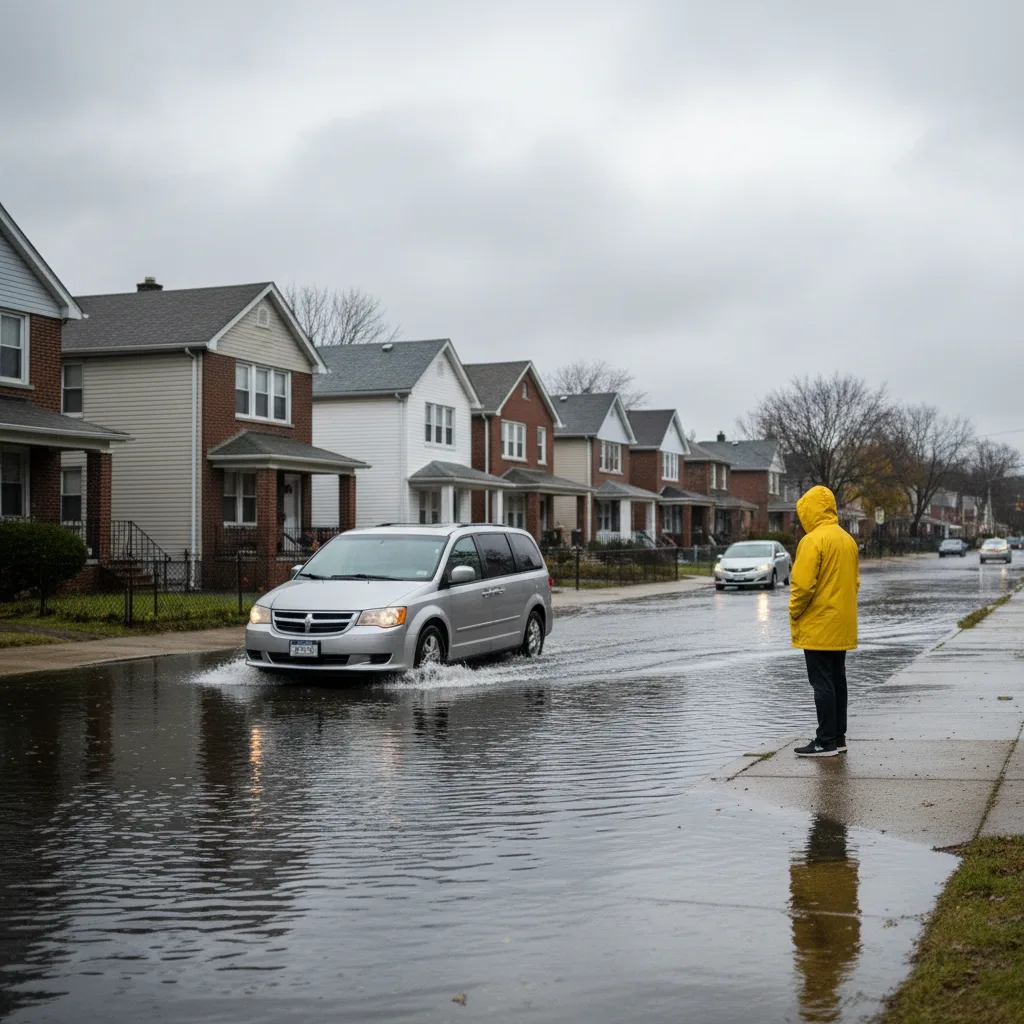
A nor'easter caused extensive flooding and tree damage across Queens in late 2026, severely disrupting Cross Bay Boulevard commuters. The storm highlights local infrastructure vulnerabilities.
Understanding the Weather in Montego Bay, Jamaica: A Guide for Queens Travelers
Planning a trip from Queens to Montego Bay, Jamaica? Understand the tropical weather, hurricane season, and best times to visit for a smooth trip.