

WHO Declares Ebola Emergency; Cross Bay Boulevard Residents Respond

NEW YORK — The World Health Organization (WHO) has officially declared the ongoing Ebola outbreak in Africa a 'public health emergency of international concern,' a designation that signals the disease's serious threat and warrants urgent global coordination. This declaration has sparked renewed caution and discussion among residents along Cross Bay Boulevard in Queens, reminiscent of reactions to previous global health scares.
While there are no direct threats to New York City, the announcement has prompted local conversations about preparedness and community well-being. Parents and older residents, in particular, are asking about travel alerts and potential new precautions.
Local Community Reacts with Caution, Not Panic
Around Cross Bay Boulevard, residents are discussing the Ebola emergency with a sense of informed caution rather than widespread panic. This measured response reflects a community that has experienced several health crises, including the COVID-19 pandemic, leading to a more experienced approach to global health news.
Local shop owners report customers bringing up the topic, comparing it to COVID-era memories of masks and heightened hygiene. For example, at the Howard Beach Pharmacy near 159th Avenue, pharmacist David Kim noted a slight uptick in inquiries about hand sanitizers and disinfectant wipes.
Understanding the WHO's Declaration
The WHO's 'public health emergency of international concern' (PHEIC) designation is its highest alert level for outbreaks. It is reserved for extraordinary events that constitute a public health risk to other states through the international spread of disease and potentially require a coordinated international response.
Dr. Tedros Adhanom Ghebreyesus, WHO Director-General, announced the declaration from Geneva, emphasizing the need for robust screening measures and rapid international aid to affected regions. He confirmed that the current outbreak, concentrated in several central African nations, presents a significant challenge due to its rapid spread in densely populated areas.
Public Health Guidance for Queens Residents
The New York City Department of Health and Mental Hygiene (DOHMH) has issued guidance reassuring residents that the risk of Ebola transmission in New York City remains extremely low. Currently, there are no travel advisories specifically impacting direct travel from unaffected regions.
Still, the DOHMH recommends that anyone with recent travel history to affected areas in Africa who develops symptoms like fever, severe headache, muscle pain, vomiting, diarrhea, or unexplained hemorrhage, should seek immediate medical attention. They should also inform healthcare providers of their travel history.
Lessons Learned from Past Health Scares
The community's response reflects lessons learned from previous global health events, including the 2014 Ebola outbreak and the more recent COVID-19 pandemic. Many residents now possess a greater understanding of disease transmission and the importance of reliable information from official sources.
Maria Sanchez, a mother of two from Lindenwood, expressed her proactive stance. “We’ve been through this before. It means staying informed, practicing good hygiene, and not falling for misinformation,” Sanchez told Cross Bay News. Her focus is on local public health initiatives and updates.
Health clinics along Cross Bay Boulevard, like the Northwell Health-GoHealth Urgent Care center, are prepared to follow DOHMH protocols for any suspected cases, although none have been reported. Staff are trained on appropriate screening and isolation procedures.
Global Impact and Local Empathy
The declaration also highlights the interconnectedness of global health and the humanitarian aspect of such outbreaks. Many Queens residents, with diverse backgrounds and international ties, feel a sense of empathy for those affected in Africa.
Discussions in coffee shops and community centers often touch on the need for international support and vaccine development. The focus remains on preventing spread and providing aid, demonstrating a mature and responsible community outlook.
Frequently Asked Questions About Ebola and Local Safety
Residents often ask about the specific symptoms of Ebola and how it spreads. Ebola is transmitted through direct contact with the blood, body fluids, or organs of an infected person or animal, not through the air. Symptoms typically include fever, severe headache, muscle pain, weakness, fatigue, diarrhea, vomiting, abdominal pain, and sometimes bleeding. Another common question is whether there are any travel restrictions currently. As of now, the U.S. Centers for Disease Control and Prevention (CDC) has not issued any blanket travel bans or enhanced screening for most travelers from Africa, but they advise consulting their website for the latest country-specific alerts. For Queens residents along Cross Bay Boulevard, the advice remains to stay informed through official public health channels and practice standard hygiene.
Written by
Newstrix
Cross Bay News
Related Articles
More in Health & Weather →Queens Nor'easter Topples Trees, Floods Cross Bay Boulevard 2026
A nor'easter in late 2026 toppled trees and flooded streets across Queens, causing significant disruption in southeast neighborhoods and affecting Cross Bay Boulevard commuters. Power outages and traffic delays were widespread.
Russian Plague Institute Worker Dies After Unexplained Illness
A worker at a Siberian anti-plague institute died from an unexplained respiratory illness on Oct 6, 2026. WHO assesses low public risk.

WHO Assesses Low Public Health Risk After Russian Plague Death
WHO assesses low public health risk after a worker at a Russian plague institute died on October 6, 2026. Quarantine measures enacted, but no widespread threat is expected.
Howard Beach Grapples with Renewed Nor'easter Flooding in 2026
Howard Beach and Hamilton Beach experienced renewed coastal flooding from a September nor'easter in 2026. Residents face repeated property damage, demanding city action.
Nor'easter Floods Queens Streets, Impacts Cross Bay Boulevard Commuters
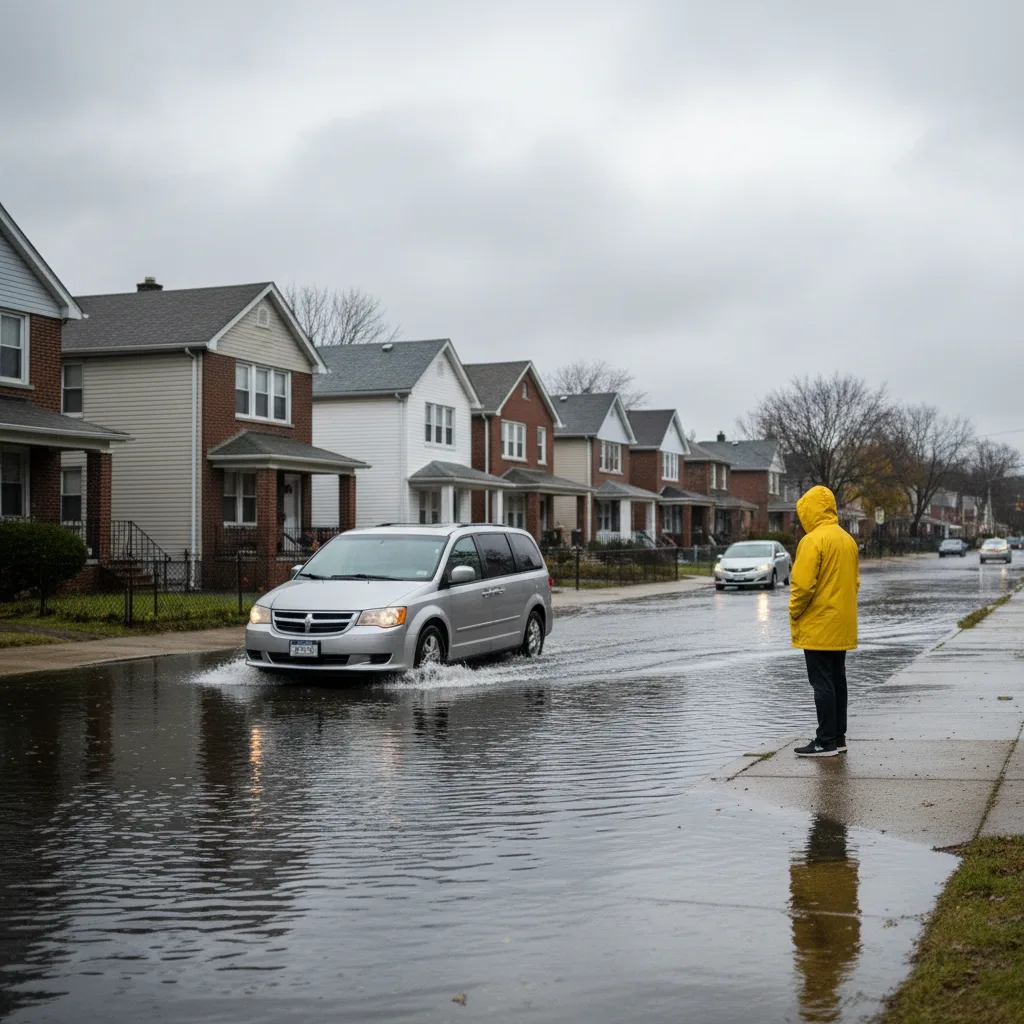
A nor'easter caused extensive flooding and tree damage across Queens in late 2026, severely disrupting Cross Bay Boulevard commuters. The storm highlights local infrastructure vulnerabilities.
Understanding the Weather in Montego Bay, Jamaica: A Guide for Queens Travelers
Planning a trip from Queens to Montego Bay, Jamaica? Understand the tropical weather, hurricane season, and best times to visit for a smooth trip.