


WHO Declares Ebola Global Health Emergency, Queens Airport Concerns Rise

NEW YORK — The World Health Organization (WHO) declared a global health emergency on Thursday, January 23, 2026, following deadly Ebola outbreaks in two African countries. This declaration immediately elevated worldwide concern, prompting public health officials to focus intensely on containment strategies and travel risks. The announcement quickly resonated with residents along Cross Bay Boulevard in Queens, where discussions turned to airport preparedness and community vigilance.
The Director-General of the WHO, Dr. Tedros Adhanom Ghebreyesus, made the declaration during a press conference in Geneva, citing an alarming rise in cases and geographical spread. “The outbreaks in these two nations present a clear and present danger to global health security,” Dr. Ghebreyesus stated. He emphasized the urgency for international collaboration and resource mobilization to prevent further dissemination of the highly contagious virus.
Queens Residents Recall Past Outbreak Scares
In Queens, a borough celebrated for its diverse population and international travel connections, the news evoked a mix of concern and historical memory. Older residents on Cross Bay Boulevard recalled previous outbreak scares, drawing parallels to SARS or even early HIV/AIDS fears. Many wondered if local airports and transit hubs, critical gateways for international visitors, were adequately prepared for potential scenarios.
“You hear ‘global emergency’ and your mind just goes straight to JFK and LaGuardia,” said Robert Chen, a retired teacher living near the Jamaica Bay Wildlife Refuge. “We’re such a hub here. You just hope they’ve got the screening protocols ready, especially with so many people coming and going.” His concerns were echoed by numerous individuals in local community centers and businesses along the thoroughfare.
Public Health Preparedness in New York City
New York City’s Department of Health and Mental Hygiene (DOHMH) issued a statement assuring residents that robust public health protocols are in place. Dr. Ashwin Vasan, Commissioner of DOHMH, confirmed that the city has established comprehensive plans for infectious disease control. “Our healthcare system, including facilities like Elmhurst Hospital, is well-equipped to identify, isolate, and treat potential cases,” Dr. Vasan reported.
City officials have also been coordinating with the Port Authority of New York and New Jersey, which manages the major airports and seaports. Enhanced surveillance measures, including temperature checks for travelers arriving from affected regions, are being considered at points of entry. Public health campaigns will aim to educate residents on symptoms and preventative measures, reinforcing previous efforts regarding [Queens community preparedness plans](https://crossbaynews.com/queens-emergency-preparedness-guide-2026).
Community Networks and Information Dissemination
The strength of community networks along Cross Bay Boulevard means that news, especially concerning health, spreads rapidly. Local civic associations and religious organizations often serve as vital conduits for information, particularly for non-English speaking populations. These groups are now preparing to share official health advisories and guidance from the DOHMH.
Father Thomas O’Connell of St. Virgilius Church, a prominent local landmark, noted the importance of clear communication. “In a neighborhood like ours, where families are so interconnected, accurate information is key,” Father O’Connell told reporters. “We want to ensure everyone knows how to stay safe and what steps city officials are taking.” The goal is to prevent misinformation and undue panic, fostering informed vigilance instead.
Travel Advisories and International Cooperation
Following the WHO declaration, the U.S. Centers for Disease Control and Prevention (CDC) updated its travel advisories for the affected African nations. These advisories recommend against non-essential travel to regions experiencing active outbreaks. Airlines are also implementing their own enhanced cleaning protocols and training flight crews on recognizing symptoms of infectious diseases.
International cooperation remains paramount in containing the Ebola virus. The WHO is working closely with the affected countries, providing resources, expertise, and coordinating global aid efforts. This collaborative approach aims to prevent the virus from spreading beyond its current geographical confines, thereby protecting populations worldwide. The situation highlights the interconnectedness of global health and local well-being.
Frequently Asked Questions About the Ebola Emergency
Residents in Queens often have practical questions regarding how a global health emergency might affect them personally. Concerns frequently arise about travel restrictions, airport screenings, and the overall safety of public spaces. New York City health officials advise residents to stay informed through official sources like the DOHMH website and to practice good hygiene, including frequent handwashing. While no immediate widespread travel bans are in effect, advisories can change quickly. For a deeper dive into past outbreaks and global responses, resources on [historical analysis of global health emergencies](https://crossbaynews.com/global-health-history-2026) are available.
Written by
Newstrix
Cross Bay News
Related Articles
More in Health & Weather →Queens Nor'easter Topples Trees, Floods Cross Bay Boulevard 2026
A nor'easter in late 2026 toppled trees and flooded streets across Queens, causing significant disruption in southeast neighborhoods and affecting Cross Bay Boulevard commuters. Power outages and traffic delays were widespread.
Russian Plague Institute Worker Dies After Unexplained Illness
A worker at a Siberian anti-plague institute died from an unexplained respiratory illness on Oct 6, 2026. WHO assesses low public risk.

WHO Assesses Low Public Health Risk After Russian Plague Death
WHO assesses low public health risk after a worker at a Russian plague institute died on October 6, 2026. Quarantine measures enacted, but no widespread threat is expected.
Howard Beach Grapples with Renewed Nor'easter Flooding in 2026
Howard Beach and Hamilton Beach experienced renewed coastal flooding from a September nor'easter in 2026. Residents face repeated property damage, demanding city action.
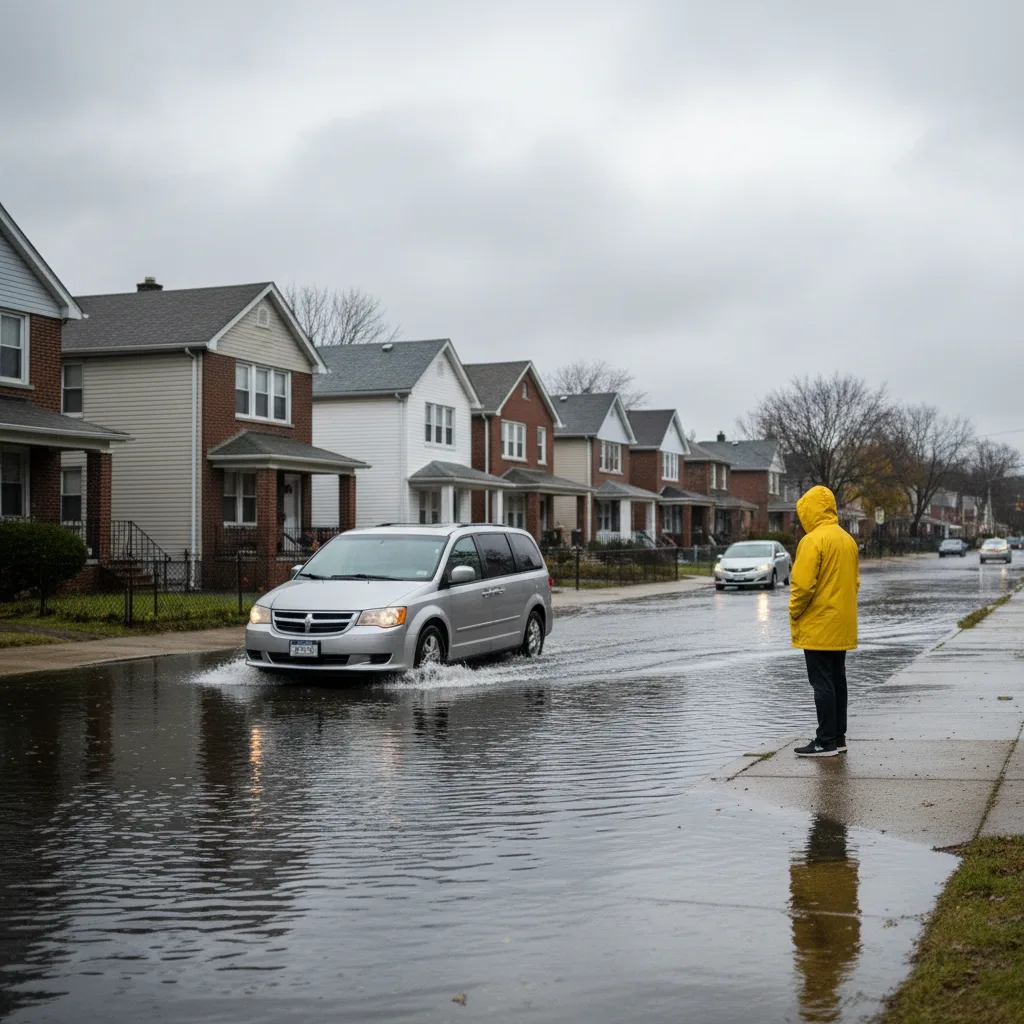
Nor'easter Floods Queens Streets, Impacts Cross Bay Boulevard Commuters
A nor'easter caused extensive flooding and tree damage across Queens in late 2026, severely disrupting Cross Bay Boulevard commuters. The storm highlights local infrastructure vulnerabilities.
Understanding the Weather in Montego Bay, Jamaica: A Guide for Queens Travelers
Planning a trip from Queens to Montego Bay, Jamaica? Understand the tropical weather, hurricane season, and best times to visit for a smooth trip.