


Typhoon Bavi Threatens Taiwan; Cross Bay Residents Consider Impact
NEW YORK — Typhoon Bavi, churning with winds near 200 kilometers per hour, is moving southeast of Taiwan, prompting officials to urge residents to prepare for what could be one of the strongest storms in years, Reuters reported. The scale of this threat and the broader pattern of extreme weather affecting heavily populated regions across Asia are drawing global attention.
Queens Residents Reflect on Storm Preparedness
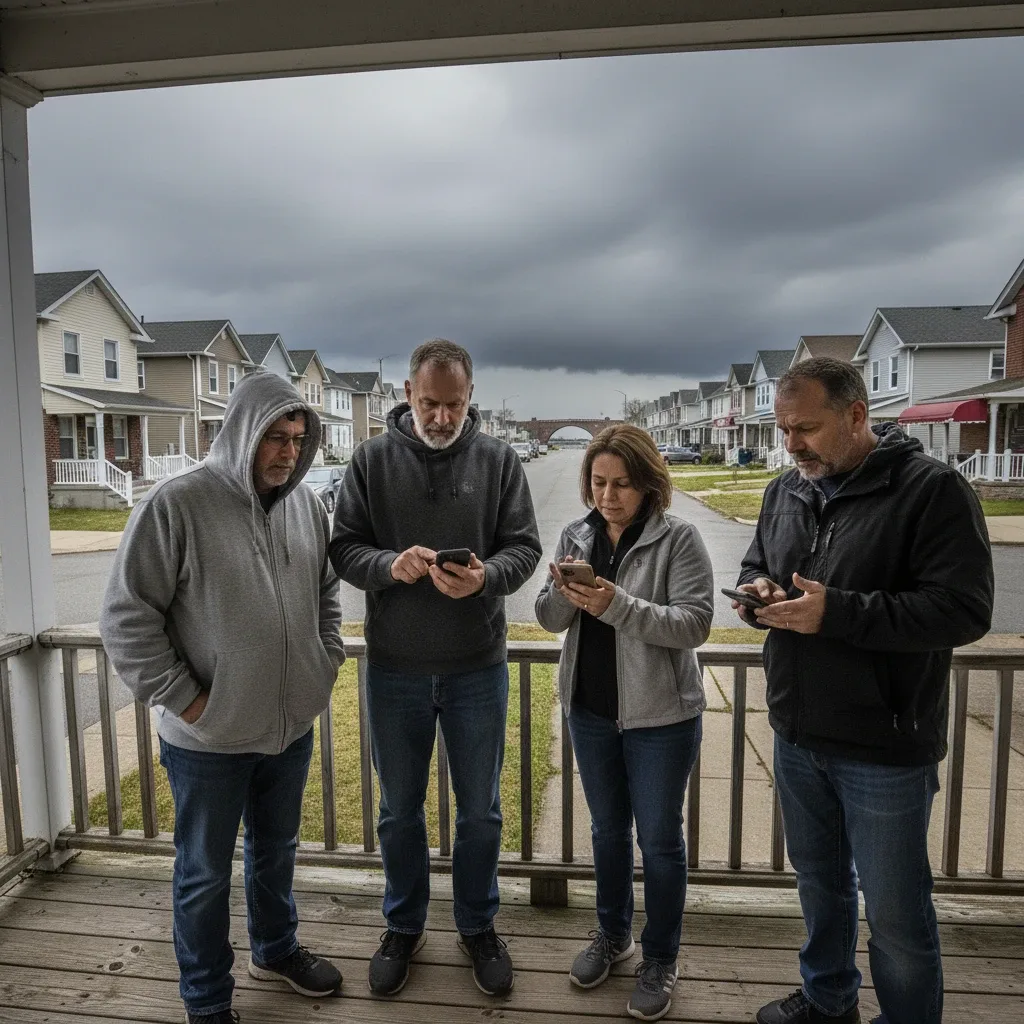
Queens residents with family or friends in Asia are closely monitoring the unfolding situation, checking messages and forwarding weather updates. In Cross Bay Boulevard conversations, people are comparing Typhoon Bavi to past storms that have hit New York, focusing on preparation, potential power outages, and how quickly life can change when a major storm is on the way. The discussion often circles back to the practical aspects of Typhoon Bavi threatens Taiwan and how it underscores the need for robust emergency plans.
These discussions highlight a shared understanding of natural disaster risks, bridging geographical divides through personal experience. The storm serves as a stark reminder of the vulnerability of coastal communities, a reality well-understood in areas like Broad Channel and the Rockaways.
Officials Urge Swift Preparations Amidst Threat
“The forecasts indicate a high potential for severe damage and widespread disruption,” said Taiwan Central Weather Bureau Director-General Cheng Ming-dean in a televised address on Tuesday. “We cannot afford to be complacent; residents must prioritize their safety and complete all preparations immediately.”
Cheng emphasized the importance of securing homes, preparing emergency kits, and being ready for potential evacuations. Authorities are working to disseminate information quickly and ensure all necessary resources are in place for rescue and relief efforts should the typhoon make landfall as anticipated.
The Broader Context of Extreme Weather Events
Typhoon Bavi is part of a worrying global trend of increasingly severe and frequent extreme weather events, which scientists link to climate change. Across Asia, heavily populated regions are experiencing more intense typhoons, prolonged droughts, and unpredictable flooding. This pattern raises questions about long-term infrastructure resilience and disaster preparedness strategies worldwide.
The global attention on Bavi underscores the interconnectedness of climate impacts, where events thousands of miles away resonate with communities in New York through shared anxieties about future weather patterns and the financial implications of climate adaptation.
Comparing Bavi to New York's Hurricane Experiences
For many Cross Bay Boulevard residents, the news of Typhoon Bavi immediately evokes memories of past hurricanes, such as Sandy, that devastated parts of Queens. These comparisons lead to discussions about local vulnerabilities, the effectiveness of existing flood defenses, and personal preparedness plans. Such conversations often occur in local civic associations and community centers, fostering a collective understanding of disaster response.
The discussions focus on the critical role of timely warnings, emergency services, and community solidarity in mitigating the impact of severe weather. Many residents share anecdotes and lessons learned from their own experiences, contributing to a robust informal network of knowledge.
Impact on International Travel and Global Supply Chains
Beyond the immediate humanitarian concerns, Typhoon Bavi also poses a potential threat to international travel and global supply chains. Taiwan is a major hub for various industries, and significant disruptions could have ripple effects on markets worldwide. This aspect of the typhoon's impact is a point of concern for businesses and consumers in Queens, who rely on a stable global economy.
Air travel to and from the region could face cancellations and delays, impacting personal travel plans and commercial cargo. The wider implications of such a powerful storm extend far beyond its direct path, touching on economic stability and global interconnectedness.
Frequently Asked Questions
What are the primary safety measures recommended for residents facing a typhoon like Bavi? Residents are strongly advised to secure loose outdoor items, prepare emergency kits with food, water, and medical supplies, and have an evacuation plan ready. Staying informed through official weather advisories is also crucial.
How do extreme weather events in Asia relate to communities in Queens? While geographically distant, severe weather events worldwide highlight the global nature of climate change and its potential impacts on supply chains, insurance costs, and even inspire local discussions on improving disaster preparedness. Queens, being a coastal community, shares many vulnerabilities with regions affected by typhoons.
Written by
Newstrix
Cross Bay News
Related Articles
More in Health & Weather →
Queens Nor'easter Topples Trees, Floods Cross Bay Boulevard 2026
A nor'easter in late 2026 toppled trees and flooded streets across Queens, causing significant disruption in southeast neighborhoods and affecting Cross Bay Boulevard commuters. Power outages and traffic delays were widespread.
Russian Plague Institute Worker Dies After Unexplained Illness
A worker at a Siberian anti-plague institute died from an unexplained respiratory illness on Oct 6, 2026. WHO assesses low public risk.

WHO Assesses Low Public Health Risk After Russian Plague Death
WHO assesses low public health risk after a worker at a Russian plague institute died on October 6, 2026. Quarantine measures enacted, but no widespread threat is expected.
Howard Beach Grapples with Renewed Nor'easter Flooding in 2026
Howard Beach and Hamilton Beach experienced renewed coastal flooding from a September nor'easter in 2026. Residents face repeated property damage, demanding city action.
Nor'easter Floods Queens Streets, Impacts Cross Bay Boulevard Commuters
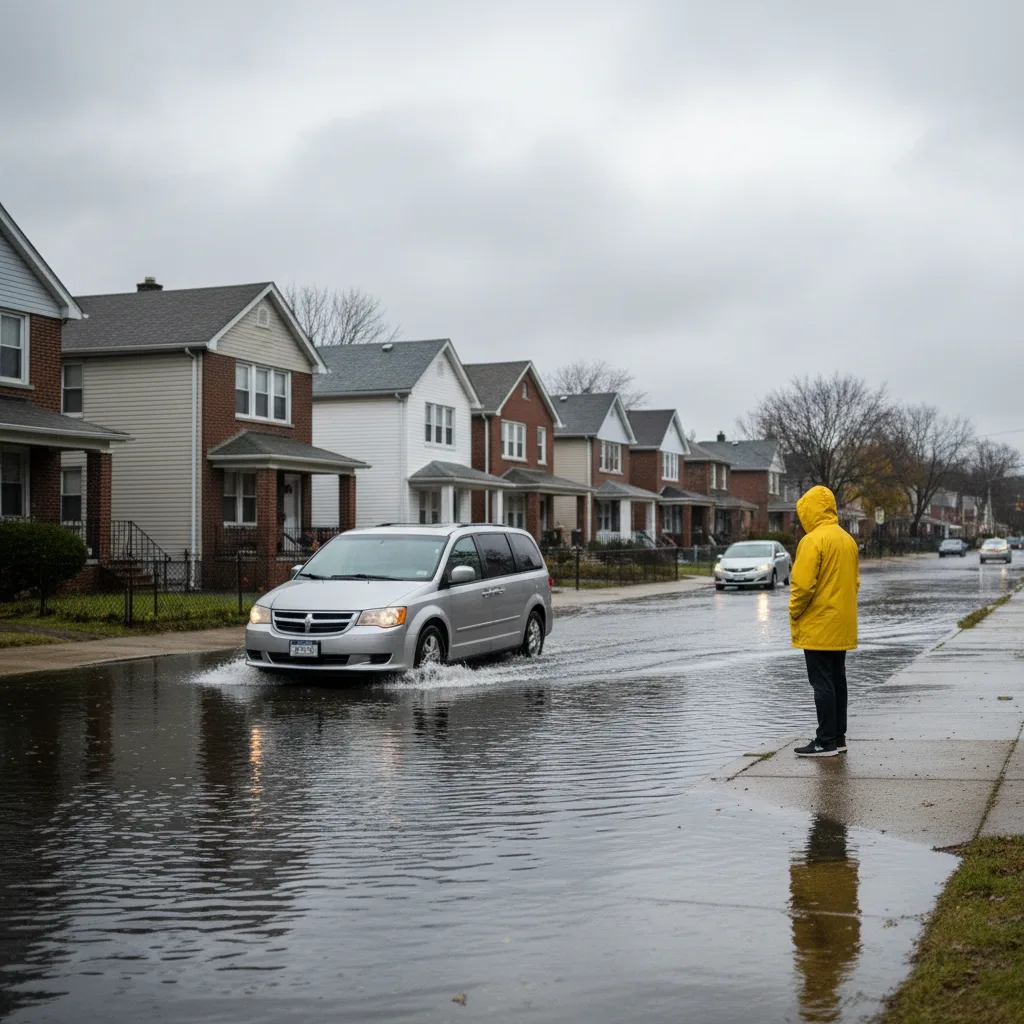
A nor'easter caused extensive flooding and tree damage across Queens in late 2026, severely disrupting Cross Bay Boulevard commuters. The storm highlights local infrastructure vulnerabilities.
Understanding the Weather in Montego Bay, Jamaica: A Guide for Queens Travelers
Planning a trip from Queens to Montego Bay, Jamaica? Understand the tropical weather, hurricane season, and best times to visit for a smooth trip.